Inicio > Literatura y estudios literarios > Literatura: historia y crítica > Philosophical Contexts of Sartre’s The Wall and Other Stories
Philosophical Contexts of Sartre’s The Wall and Other Stories

Philosophical Contexts of Sartre’s The Wall and Other Stories

Philosophical Contexts of Sartre’s the Wall and Other Stories

Kevin W Sweeney / Kevin W. Sweeney / Kevin WSweeney

112,91 €
IVA incluido
Disponible
Editorial:
Bloomsbury Publishing plc
Año de edición:
2016
Materia
Literatura: historia y crítica
ISBN:
9781498509367
112,91 €
IVA incluido
Disponible

Selecciona una librería:

  • Librería Samer Atenea
  • Librería Aciertas (Toledo)
  • Kálamo Books
  • Librería Perelló (Valencia)
  • Librería Elías (Asturias)
  • Donde los libros
  • Librería Kolima (Madrid)
  • Librería Proteo (Málaga)

The Philosophical Contexts of Sartre’s The Wall and Other Stories: Stories of Bad Faith presents a philosophical analysis of all five stories in Sartre’s short-story collection. Kevin W. Sweeney argues that each of the five stories has its own philosophical idea or problem that serves as the context for the narrative. Sartre constructs each story as a reply to the philosophical issue in the context and as support for his position on that issue. In the opening story, “The Wall,” Sartre uses the Constant-Kant debate to support his view that the story’s protagonist is responsible for his ally’s death. “The Room” presents in narrative form Sartre’s criticism that the Freudian Censor is acting in bad faith. In “Erostratus,” Sartre opposes Descartes’s claim in his “hats and coats” example that we recognize the humanity of others by using our reason. In “Intimacy,” Sartre again opposes a Cartesian position, this time the view that our feelings reveal our emotions. Sartre counters that Cartesian view by showing that the two women in the story act in bad faith because they do not distinguish their feelings from their emotions. The last story, “The Childhood of a Leader,” shows how the protagonist acts in bad faith in trying to resolve the question of who he is by appealing to the view that one’s roots in nature can provide one with a substantial identity. The stories are unified by showing the characters in all five narratives engaged in different acts of bad faith.The Philosophical Contexts of Sartre’s The Wall and Other Stories is written for scholars interested in Jean-Paul Sartre’s early literary and philosophical work, as well as for students interested in Sartre and twentieth-century French literature.

Artículos relacionados

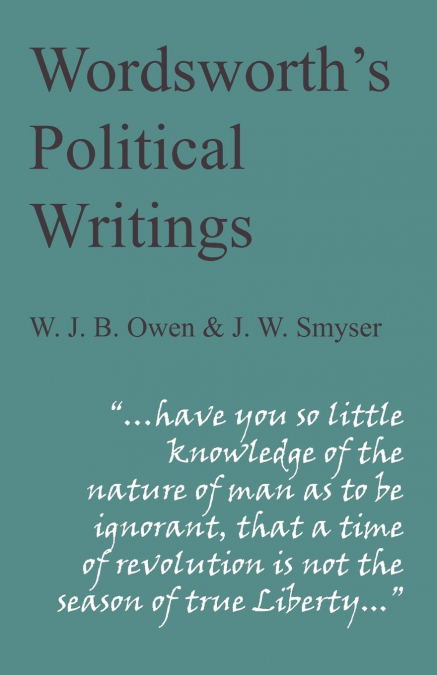
  • Wordsworth's Political Writings
    This compilation by Richard Gravil of texts edited by W J B Owen and J W Smyser presents the four major political texts in Wordsworth’s prose oeuvre and illustrates both the detail of the poet’s political grasp, and the remarkable swerves he made between 1793 and 1835. The first text, A Letter to the Bishop of Llandaff (1793) is severely Jacobinical. Had Wordsworth published it...
    Disponible

    25,27 €

  • Turbulence
    Various Artists
    An anthology of work from writers and poets taking part in the MA in Writing at the National University of Ireland, Galway, this book was originally published in 2003. It features an introduction by Irish Writer Mike McCormack, Winner of the Goldsmith Prize 2016 for 'Solar Bones', who was Writer-In-Residence in NUIG at that time. It features fiction: a bald trapeze artist seeks...
    Disponible

    11,45 €

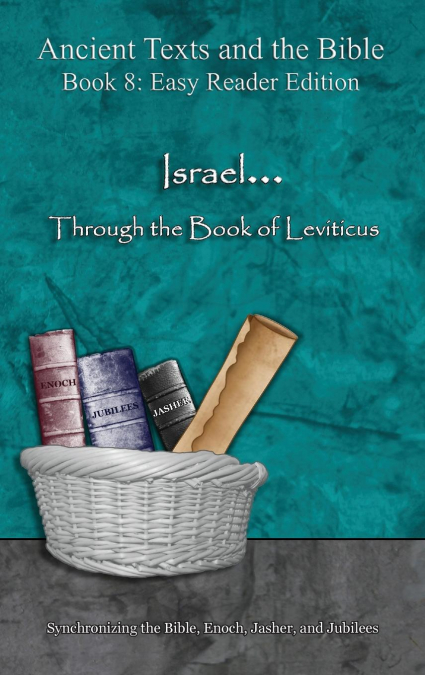
  • Israel... Through the Book of Leviticus - Easy Reader Edition
    Ahava Lilburn
    The Ancient Texts and the Bible series was compiled by Ahava Lilburn and produced by Minister 2 Others. This ten volume set synchronizes the manuscripts of Enoch, Jasher, and Jubilees into the Bible, making one complete storyline.  The books are interwoven using the Torah as the backbone, and the extra-biblical texts as the fleshing out of that backbone.The eighth book in this ...
    Disponible

    30,57 €

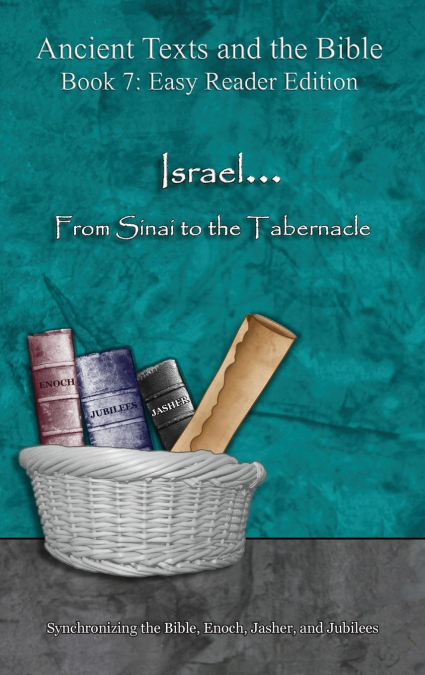
  • Israel... From Sinai to the Tabernacle - Easy Reader Edition
    Ahava Lilburn
    The Ancient Texts and the Bible series was compiled by Ahava Lilburn and produced by Minister 2 Others. This ten volume set synchronizes the manuscripts of Enoch, Jasher, and Jubilees into the Bible, making one complete storyline.  The books are interwoven using the Torah as the backbone, and the extra-biblical texts as the fleshing out of that backbone.The seventh book in this...
    Disponible

    30,75 €

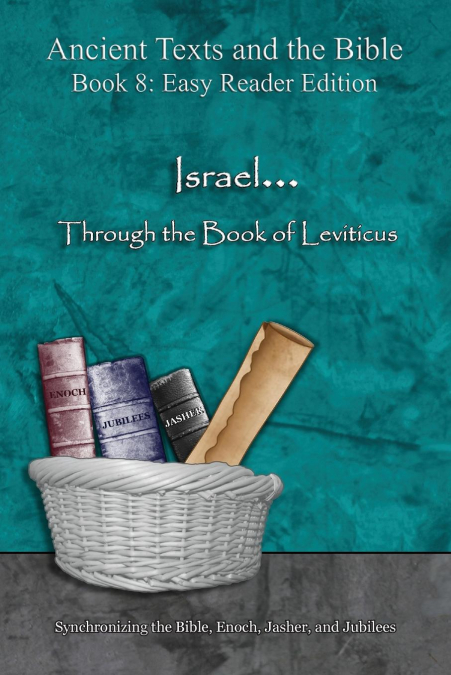
  • Israel... Through the Book of Leviticus - Easy Reader Edition
    Ahava Lilburn
    The Ancient Texts and the Bible series was compiled by Ahava Lilburn and produced by Minister 2 Others. This ten volume set synchronizes the manuscripts of Enoch, Jasher, and Jubilees into the Bible, making one complete storyline.  The books are interwoven using the Torah as the backbone, and the extra-biblical texts as the fleshing out of that backbone.The eighth book in this ...
    Disponible

    25,39 €

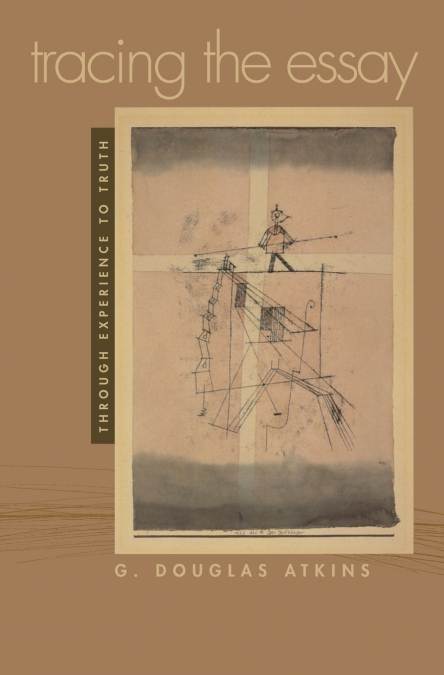
  • Tracing the Essay
    G. Douglas Atkins
    The essay, as a notably hard form of writing to pin down, has inspired some unflattering descriptions: It is a greased pig, for example, or a pair of baggy pants into which nearly anything and everything can fit. In Tracing the Essay, G. Douglas Atkins embraces the very qualities that have moved others to accord the essay second-class citizenship in the world of letters.Drawing...
    Disponible

    30,56 €

Otros libros del autor

  • Aesthetics of Food
    Kevin W Sweeney / Kevin W. Sweeney / Kevin WSweeney
    The Aesthetics of Food sets out the continuing philosophical debate about the aesthetic nature of food. The debate begins with Plato’s claim that only objects of sight and hearing could be beautiful; consequently, food as something we smell and taste could not be beautiful. Plato’s sceptical position has been both supported and opposed in one form or another throughout the ages...
    Disponible

    68,42 €

  • Aesthetics of Food
    Kevin W Sweeney / Kevin W. Sweeney / Kevin WSweeney
    The Aesthetics of Food sets out the continuing philosophical debate about the aesthetic nature of food. The debate begins with Plato’s claim that only objects of sight and hearing could be beautiful; consequently, food as something we smell and taste could not be beautiful. Plato’s sceptical position has been both supported and opposed in one form or another throughout the ages...
    Disponible

    199,02 €