Librería Samer Atenea
 Kálamo Books
 Librería Elías (Asturias)
 Librería Kolima (Madrid)
 Librería Proteo (Málaga)
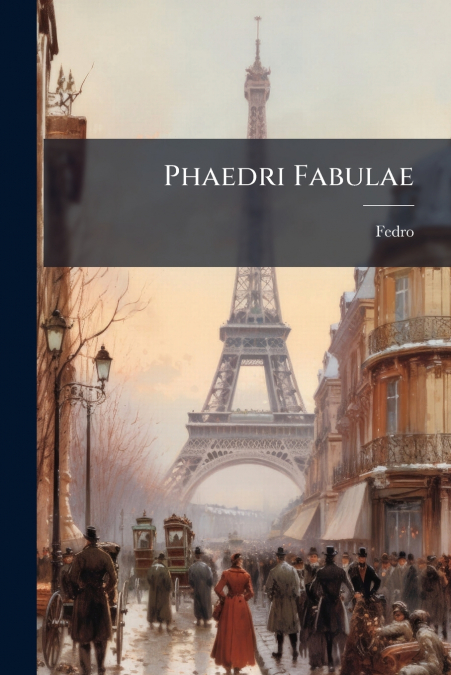
Phaedri, Augusti Caesaris Liberti, Fabularum Libri Quinque... presents the fables of Phaedrus, a writer of Latin fables during the Roman Empire. This collection showcases Phaedrus’ skill in adapting traditional Aesopian fables into elegant Latin verse, offering both moral lessons and astute observations on human nature. These fables, written in simple yet refined language, provide valuable insights into the social and political life of ancient Rome. Featuring animals and humans alike, the stories explore themes of power, justice, and the complexities of human relationships, rendering them timeless and universally relevant. This edition offers readers an opportunity to engage with classical Latin literature, appreciate the artistry of Phaedrus, and reflect on the enduring wisdom of his fables. It is a valuable resource for students of Latin, scholars of classical literature, and anyone interested in the rich literary heritage of ancient Rome.This work has been selected by scholars as being culturally important, and is part of the knowledge base of civilization as we know it. This work was reproduced from the original artifact, and remains as true to the original work as possible. Therefore, you will see the original copyright references, library stamps (as most of these works have been housed in our most important libraries around the world), and other notations in the work.This work is in the public domain in the United States of America, and possibly other nations. Within the United States, you may freely copy and distribute this work, as no entity (individual or corporate) has a copyright on the body of the work.As a reproduction of a historical artifact, this work may contain missing or blurred pages, poor pictures, errant marks, etc. Scholars believe, and we concur, that this work is important enough to be preserved, reproduced, and made generally available to the public. We appreciate your support of the preservation process, and thank you for being an important part of keeping this knowledge alive and relevant.