

 Librería Samer Atenea
 Kálamo Books
 Librería Elías (Asturias)
 Librería Kolima (Madrid)
 Librería Proteo (Málaga)
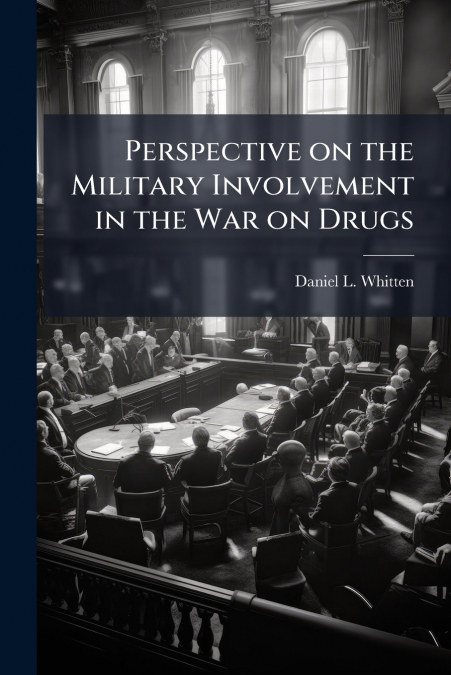
The United States will spend over $1 billion in FY99 in an effort to combat the illegal flow of drugs into our country. That’s money directly attributed to efforts overseen by the Office for National Drug Control Policy (ONDCP) and does not include the monies spent by local and state agencies throughout the country. It can be argued that as a nation we have attempted several different approaches including diplomatic, economic and informational avenues as we try to deal with Caribbean and Central and South American governments. However, we seem determined on expanding military roles in the region. During the past two decades the administrations in power have continued to escalate the military’s involvement in this fight. Our military’s presence is so entrenched and permanent that it has become fashionable to refer to the entire process as the 'war on drugs'. This paper will examine the primary instruments of power the United States has applied to the problem in the past and present. It will examine the emphasis placed on the problem from the perspective of our national and military leadership. The research will reveal our country’s past involvement in the region referring to several instruments of power. Then it will look at the military’s involvement historically and how that role is continually expanding. The research will then consider if any of the military applications are having the desired effect and then provide some alternatives for consideration.This work has been selected by scholars as being culturally important, and is part of the knowledge base of civilization as we know it. This work was reproduced from the original artifact, and remains as true to the original work as possible. Therefore, you will see the original copyright references, library stamps (as most of these works have been housed in our most important libraries around the world), and other notations in the work.This work is in the public domain in the United States of America, and possibly other nations. Within the United States, you may freely copy and distribute this work, as no entity (individual or corporate) has a copyright on the body of the work.As a reproduction of a historical artifact, this work may contain missing or blurred pages, poor pictures, errant marks, etc. Scholars believe, and we concur, that this work is important enough to be preserved, reproduced, and made generally available to the public. We appreciate your support of the preservation process, and thank you for being an important part of keeping this knowledge alive and relevant.





