 Librería Samer Atenea
 Kálamo Books
 Librería Elías (Asturias)
 Librería Kolima (Madrid)
 Librería Proteo (Málaga)
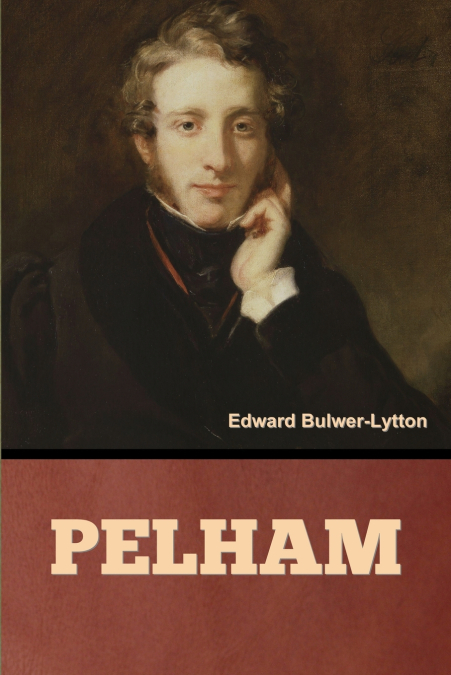
Pelham; or, The Adventures of a Gentleman is a novel by Edward Bulwer-Lytton, first published in 1828. It is one of the early novels of the fashionable or 'silver-fork' school of fiction, which focused on the manners, lifestyle, and social world of the upper classes. The central character, Pelham, is a sophisticated and witty young gentleman who moves through fashionable London society. Through his experiences, Bulwer-Lytton presents a detailed picture of aristocratic life, including its pleasures, social conventions, and moral weaknesses.Pelham is characterized by intelligence, elegance, wit, and a strong awareness of social appearances. He observes the people around him carefully and often uses clever conversation to deal with different social situations. The novel combines romance, satire, adventure, and social observation. Bulwer-Lytton uses Pelham’s experiences to examine the contrast between outward refinement and inner character. The novel also reflects the importance of reputation, fashion, manners, and social position in nineteenth-century English society.Overall, Pelham is significant because it helped establish Bulwer-Lytton as an important popular novelist of his time. Although its style and social world belong strongly to the nineteenth century, the novel provides an interesting study of character, manners, and class. Pelham himself represents the fashionable gentleman of the period, while the various characters and situations around him allow Bulwer-Lytton to satirize contemporary society. Thus, the novel can be read both as an entertaining story and as a social commentary on the values and conventions of its age.About the AuthorEdward Bulwer-Lytton (1803-1873) was an English novelist, poet, playwright, and politician during the Victorian era. Born on May 25, 1803, in London, he studied at the University of Cambridge and developed a passion for writing at a young age. Throughout his career, he became one of the most popular and influential authors of the 19th century, known for his imaginative storytelling and dramatic style.Bulwer-Lytton wrote many successful novels, including The Last Days of Pompeii, Rienzi, and Zanoni. He is also remembered for introducing famous phrases into the English language, such as 'the pen is mightier than the sword' and the opening line, 'It was a dark and stormy night.' In addition to writing, he served as a member of the British Parliament and later became Secretary of State for the Colonies, balancing a literary career with public service.Edward Bulwer-Lytton’s works explored themes of history, mystery, romance, and politics, earning him widespread fame during his lifetime. Although some critics later viewed his writing style as overly dramatic, his influence on literature remains significant. He died on January 18, 1873, but his novels, plays, and memorable quotations continue to be studied and appreciated today.A lasting part of Edward Bulwer-Lytton’s legacy is his impact on literature and popular culture. The annual Bulwer-Lytton Fiction Contest, founded in 1982, humorously celebrates intentionally bad opening sentences inspired by his famous line, 'It was a dark and stormy night.' Despite this lighthearted contest, Bulwer-Lytton remains an important literary figure whose historical novels, memorable quotations, and contributions to Victorian literature continue to influence writers and readers around the world.