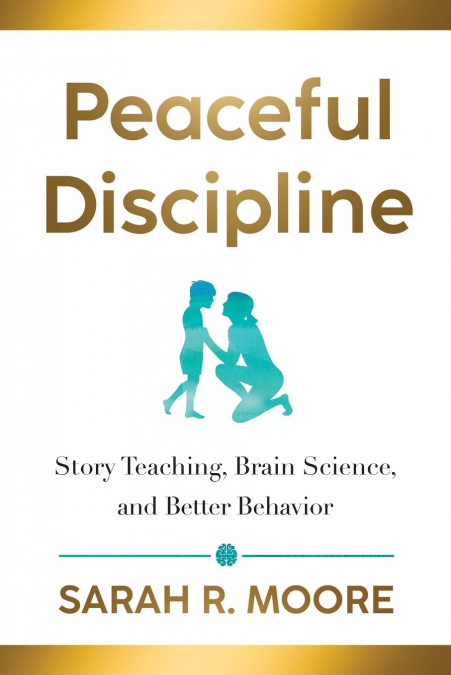

Peaceful Discipline

Peaceful Discipline

Sarah R. Moore

16,43 €
IVA incluido
Disponible
Editorial:
Ponds Reads Press
Año de edición:
2022
Materia
Psicología infantil y evolutiva/del desarrollo
ISBN:
9781643436753
16,43 €
IVA incluido
Disponible

Selecciona una librería:

  • Librería Samer Atenea
  • Librería Aciertas (Toledo)
  • Kálamo Books
  • Librería Perelló (Valencia)
  • Librería Elías (Asturias)
  • Donde los libros
  • Librería Kolima (Madrid)
  • Librería Proteo (Málaga)

In Peaceful Discipline: Story Teaching, Brain Science, & Better Behavior, we explore: The body-brain connection to behavior, why most 'consequences' don’t work, and what to do instead -- all within the framework of positive discipline How parents and children can regulate their nervous systems to foster greater connection, even in the thick of adversity How to use different types of storytelling and playful parenting as effective and benevolent teachersIt covers these topics from the contexts of neuroscience, attachment theory, and best practices of conscious parenting. This book helps mitigate adults’ very real struggles, and gives them specific strategies that increase cooperation and connection, whether they’re parenting preschoolers or older school-age children. Excerpt: A parent walks into their child’s bedroom and finds the child, for no clear reason, pulling all the clothing out of the drawers and throwing the items haphazardly across the floor. Without missing a beat, the parent yells, 'What are you doing? Stop it! Put these clothes away right this second! Sheesh-I just folded them! What are you trying to do to me?' The parent then storms out, warning the child they have five minutes to make the room spotless or there will be negative consequences. The frustration is certainly justified. Who wants to put away laundry once, let alone twice? At the same time, the child likely feels small after having been yelled at by their trusted big person. The child may or may not know why they were throwing the laundry. (Boredom? Curiosity? Temporary loss of marbles, literally or figuratively?) The child may also feel afraid- perhaps of the punishment itself, or perhaps of their perceived loss of connection with their parent. Either way, the child feels distant, helpless, and small-and likely sad or resentful. Soon thereafter, the parent may have collected him- or herself and now feels like a jerk, having yelled for what feels like the hundredth time that week. They hate the way their outbursts seem to drive a wedge between them and their child, even when their feelings are justified. The guilt feels heavy and oppressive. They want a better path forward, but where to start? Is change even possible, much less change to which the child will actually respond? Although the details might differ, we’ve all been there. Just when everything is moving along peacefully, our child throws us for a loop. They do something we wish they hadn’t. We flip out, and it feels like a lost cause. All we wanted was to sit back for a second and take a breath, and now this happens (whatever this is). Why can’t things just be easier? Can we actually like our child and feel sure that they like us back? I hear you, and I get it. And I’m here with hope and encouragement for you-along with some very practical tools within the framework of conscious parenting that will help you catch your breath (and exhale it fully, deeply, and calmly).

Artículos relacionados

  • Field Guide To The American Teenager
    Jerome C Vergamini / Ray Miskimins
    This book was written in an effort to share our combined knowledge of teens, gained both as mental health professionals and as parents. We wanted to put together something that parents could understand, short and to the point, with as little psychological jargon as possible, and most importantly, something that would be useful. Our planning began with a look at the various aspe...
    Disponible

    14,09 €

  • Naciendo: revista española de psicología y psicopatología perinatal e infantil - 03
    Asociación Salud Mental Infantil desde Gestación ASMI-WAIMH España / Asociación Salud Mental Infantil desde Gestación ASMI-WAIMH España
    Tenemos una gran noticia: la Plataforma Internacional Conecta Perinatal ha elaborado un documento titulado “Mejorar el cuidado de la Salud Mental Perinatal (Fundamentos, propuestas y peticiones)” que incluimos eTenemos una gran noticia: la Plataforma Internacional Conecta Perinatal ha elaborado un documento titulado “Mejorar el cuidado de la Salud Mental Perinatal (Fundamentos,...
    Disponible

    23,40 €

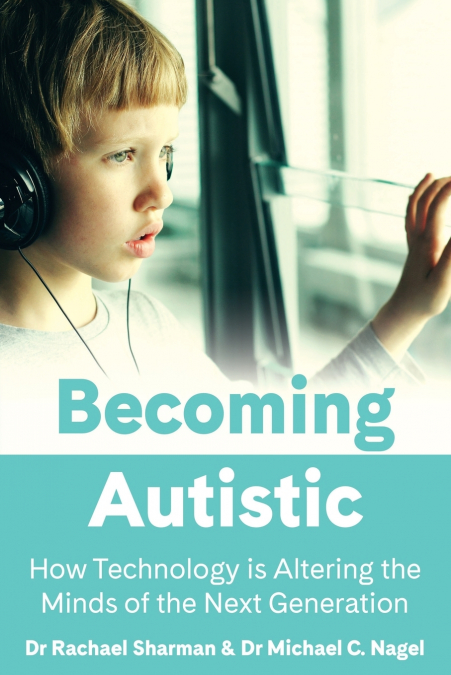
  • Becoming Autistic
    Dr Michael C. Nagel / Dr Rachael Sharman / Michael C Nagel
    In this provocative and informative book, Drs Rachael Sharman and Michael C. Nagel take the reader on a journey where nature and nurture intersect.Becoming Autistic reflects the concerns of the authors and numerous neuroscientists around the world that environmental impacts, like too much screen time and the lack of socialisation, have neurological consequences on the developin...
    Disponible

    22,14 €

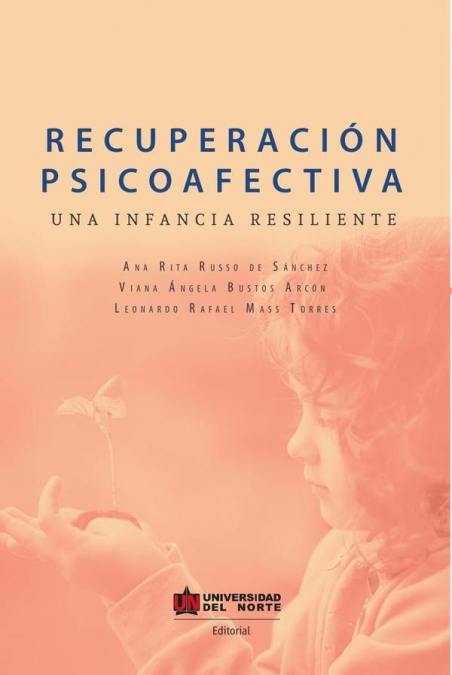
  • Recuperación psicoafectiva
    Ana Rita Russo / Ana Rita Russo / Leonardo Mass Torres / Viana Bustos Arcón
    Esta obra, dirigida a psicólogos, educadores, profesionales relacionados con el desarrollo infantil y lectores en general, contiene una comprensión actualizada de la infancia, el trauma y la resiliencia. Aborda el impacto de las interferencias en el desarrollo, la salud mental y la personalidad, a partir de la teoría dinámica del desarrollo infantil que permite explicar las exp...
    Disponible

    8,84 €

  • Recentering the Self
    Michael Washburn
    Reformulates the notion of the ego and provides a new perspective for understanding ego development and the role of the ego in spiritual life.In Recentering the Self, Michael Washburn presents a new account of the ego, ego development, and the role of the ego in spiritual life. He starts by tracing the premodern antecedents of the notion of the ego in Greek philosophy and Chris...
    Disponible

    47,44 €

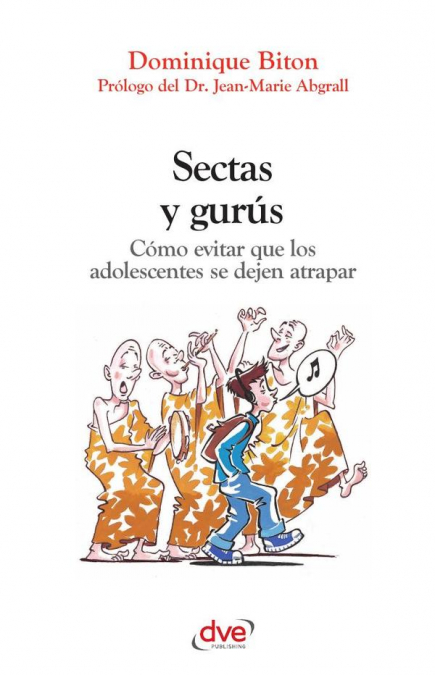
  • Sectas y gurús
    Dominique Biton
    Los adolescentes, al buscar y buscarse a sí mismos, se convierten en un objetivo predilecto para las sectas. A su edad, tienen muchas posibilidades de conocer a gente aparentemente seductora y dejarse arrastrar sin darse cuenta, sobre todo porque el límite entre la pandilla, el grupo de carácter sectario y la secta propiamente dicha es confuso. Aunque son conscientes de que deb...
    Disponible

    14,56 €