Patient as Agent of Health and Health Care

Patient as Agent of Health and Health Care

Mark Sullivan MD Phd

124,57 €
IVA incluido
Disponible
Editorial:
Oxford University Press
Año de edición:
2017
Materia
Ética médica y conducta profesional
ISBN:
9780195386585
124,57 €
IVA incluido
Disponible

Selecciona una librería:

  • Librería Samer Atenea
  • Librería Aciertas (Toledo)
  • Kálamo Books
  • Librería Perelló (Valencia)
  • Librería Elías (Asturias)
  • Donde los libros
  • Librería Kolima (Madrid)
  • Librería Proteo (Málaga)

Patient-centered care for chronic illness is founded upon the informed and activated patient, but we are not clear what this means. We must understand patients as subjects who know things and as agents who do things. Bioethics has urged us to respect patient autonomy, but it has understood this autonomy narrowly in terms of informed consent for treatment choice. In chronic illness care, the ethical and clinical challenge is to not just respect, but to promote patient autonomy, understood broadly as the patients’ overall agency or capacity for action. The primary barrier to patient action in chronic illness is not clinicians dictating treatment choice, but clinicians dictating the nature of the clinical problem. The patient’s perspective on clinical problems is now often added to the objective-disease perspective of clinicians as health-related quality of life (HRQL). But HRQL is merely a hybrid transitional concept between disease-focused and health-focused goals for clinical care. Truly patient-centered care requires a sense of patient-centered health that is perceived by the patient and defined in terms of the patient’s vital goals. Patient action is an essential means to this patient-centered health, as well as an essential component of this health. This action is not extrinsically motivated adherence, but intrinsically motivated striving for vital goals. Modern pathophysiological medicine has trouble understanding both patient action and health. The self-moving and self-healing capacities of patients can be understood only if we understand their roots in the biological autonomy of organisms. Taking the patient as the primary perceiver and producer of health has the following policy implications: 1] Care will become patient-centered only when the patient is the primary customer of care. 2] Professional health services are not the principal source of population health, and may lead to clinical, social and cultural iatrogenic injury. 3] Social justice demands equity in health capability more than equal access to health services.
Artículos relacionados

  • Governance, democracy and ethics in crisis-decision-making
    This book is a powerful addition to a developing literature informed by arts and humanities research carried out during the COVID-19 pandemic. Investigating the impacts of crisis governance and decision-making on people and populations, the book brings together microbial organisms and humans, children and data, decision-making and infection prevention, publics and process, glob...
    Disponible

    71,32 €

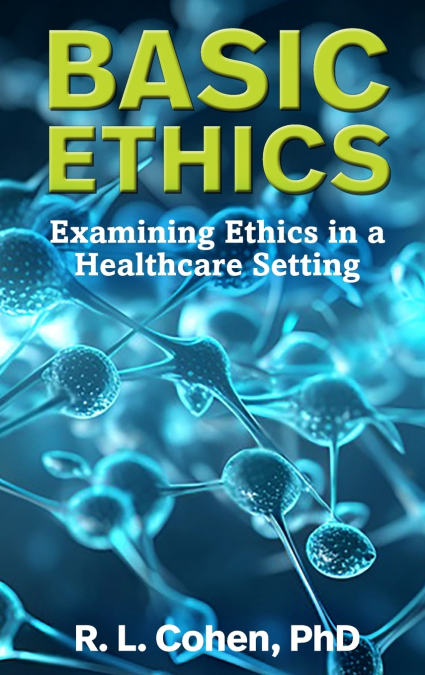
  • Basic Ethics
    R. L. Cohen / Rodgir L Cohen
    In the complex and rapidly evolving field of healthcare, ethical dilemmas are as common as they are challenging. 'Basic Ethics' is an essential guide that navigates through these complexities by illuminating the foundational ethical concepts that both budding and seasoned professionals must know. Through a detailed exploration of both theoretical frameworks and practical applic...
    Disponible

    32,03 €

  • Basic Ethics
    R. L. Cohen / Rodgir Cohen / Rodgir L Cohen
    In the complex and rapidly evolving field of healthcare, ethical dilemmas are as common as they are challenging. 'Basic Ethics' is an essential guide that navigates through these complexities by illuminating the foundational ethical concepts that both budding and seasoned professionals must know. Through a detailed exploration of both theoretical frameworks and practical applic...
    Disponible

    30,68 €

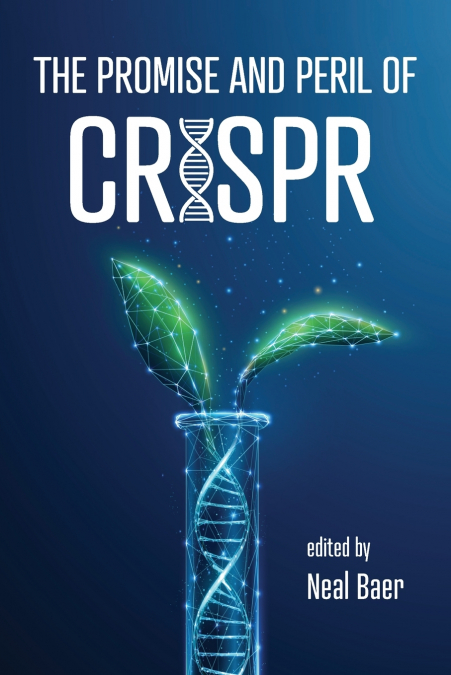
  • Promise and Peril of Crispr
    Neal Baer
    A timely collection of essays on the pressing possibilities and risks of gene-editing technology.Scientists and genetic engineers are becoming increasingly adept at editing the human genome. How far can--and should--they go in editing future generations? In The Promise and Peril of CRISPR, editor Neal Baer brings together a timely collection of essays by influential bioethicist...
    Disponible

    64,20 €

  • Thieves of Virtue
    Tom Koch
    ...
    Disponible

    33,50 €

  • The Role of Complementary and Alternative Medicine
    Daniel Callahan
    At the center of the debate over complementary and alternative medicine-from acupuncture and chiropractic treatments to homeopathy and nutritional supplements—is how to scientifically measure the effectiveness of a particular treatment. Fourteen scholars from the fields of medicine, philosophy, sociology, and cultural and folklore studies examine that debate, and the clash betw...
    Disponible

    30,89 €