Librería Samer Atenea
 Kálamo Books
 Librería Elías (Asturias)
 Librería Kolima (Madrid)
 Librería Proteo (Málaga)
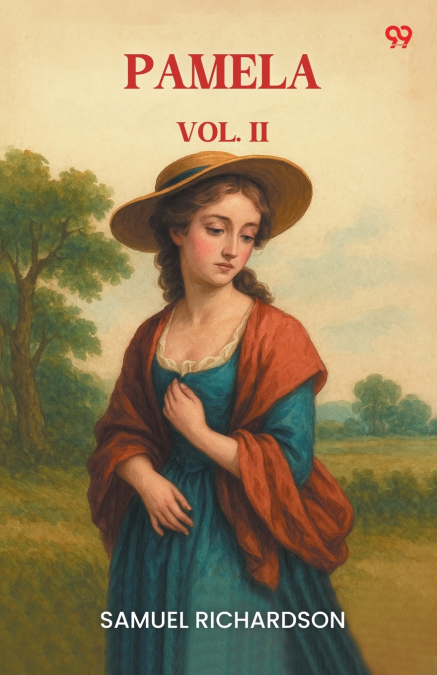
Samuel Richardson’s groundbreaking novel, 'Pamela, Or Virtue Rewarded,' first published in 1740, is presented in a series of letters from a beautiful young damsel to her parents. The story unfolds as Pamela, a virtuous fifteen-year-old maidservant, finds herself the object of unwanted advances from her master, Mr. B. Her steadfast resistance and unwavering moral compass become the central drama of the novel. Through her correspondence, readers witness Pamela’s internal struggles, her fears, and her determination to maintain her virtue. The novel explores themes of social class, morality, and the power dynamics between men and women in 18th-century England. 'Pamela' sparked considerable debate upon its release, both celebrated and criticized for its realism and its portrayal of virtue as a means of social advancement. This edition offers readers a chance to rediscover this seminal work of English literature.This work has been selected by scholars as being culturally important, and is part of the knowledge base of civilization as we know it. This work was reproduced from the original artifact, and remains as true to the original work as possible. Therefore, you will see the original copyright references, library stamps (as most of these works have been housed in our most important libraries around the world), and other notations in the work.This work is in the public domain in the United States of America, and possibly other nations. Within the United States, you may freely copy and distribute this work, as no entity (individual or corporate) has a copyright on the body of the work.As a reproduction of a historical artifact, this work may contain missing or blurred pages, poor pictures, errant marks, etc. Scholars believe, and we concur, that this work is important enough to be preserved, reproduced, and made generally available to the public. We appreciate your support of the preservation process, and thank you for being an important part of keeping this knowledge alive and relevant.