
Inicio > > Redes y comunicaciones informáticas > Page Token-Mechanismus in der OpenID-Umgebung
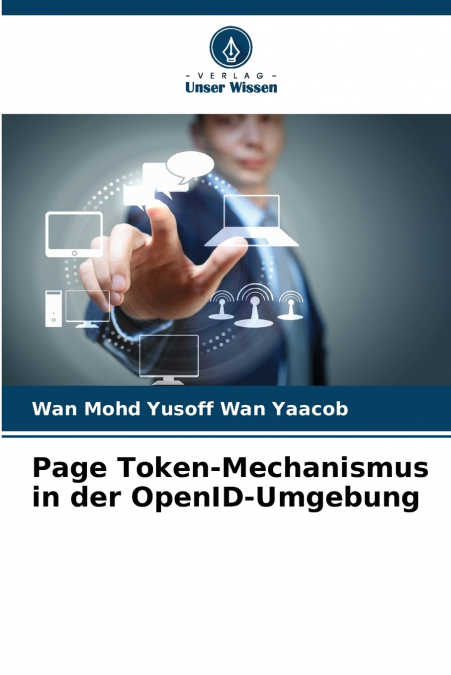
Page Token-Mechanismus in der OpenID-Umgebung

Page Token-Mechanismus in der OpenID-Umgebung

Wan Mohd Yusoff Wan Yaacob

49,93 €
IVA incluido
Disponible
Editorial:
KS OmniScriptum Publishing
Año de edición:
2025
Materia
Redes y comunicaciones informáticas
ISBN:
9786208736538
49,93 €
IVA incluido
Disponible

Selecciona una librería:

  • Librería Samer Atenea
  • Librería Aciertas (Toledo)
  • Kálamo Books
  • Librería Perelló (Valencia)
  • Librería Elías (Asturias)
  • Donde los libros
  • Librería Kolima (Madrid)
  • Librería Proteo (Málaga)

OpenID wurde als dezentrales und benutzerorientiertes Protokoll in der Single Sign-On (SSO)-Systemumgebung eingeführt. Dieses Protokoll wurde aufgrund des Hauptmerkmals der OpenID-Authentifizierung ausgewählt, die eine einzige Benutzerkennung für die Anmeldung bei den Websites bereitstellt, die diese Technologie unterstützen. Es beginnt damit, dass der Benutzer beim OpenID-Anbieter eine Identität erstellt und dann weitergeleitet wird, um die Identität mit einer der verfügbaren weiterleitenden Parteien zu verknüpfen und sie später als Hauptschlüssel zur Authentifizierung der Anwendung zu verwenden. Das bestehende OpenID-Protokoll erteilt den Benutzern die Berechtigung, sich anzumelden und die weiterleitende Partei zu betreten, indem es die Authentifizierungsberechtigung von einem OpenID-Anbieter erteilt. Dadurch kann OpenID den Authentifizierungsprozess beschleunigen, indem es den Benutzern ermöglicht, sich mit einem einzigen Klick anzumelden. Außerdem wird die Frustration verringert, die mit der Verwaltung mehrerer Benutzernamen und Passwörter verbunden ist. Dieses Protokoll kann auch eine bessere Kontrolle über die Online-Identität der Benutzer ermöglichen. Trotz der genannten Vorteile gibt es mehrere Schwachstellen und Sicherheitsbeschränkungen, die aufgrund der Implementierung von OpenID gelöst werden müssen, wie z. B. Session-Hijacking, Authentifizierungsfehler und Phishing-Angriffe.

Artículos relacionados

  • Next Generation Search Engines
    Recent technological progress in computer science, Web technologies, and the constantly evolving information available on the Internet has drastically changed the landscape of search and access to information. Current search engines employ advanced techniques involving machine learning, social networks, and semantic analysis. Next Generation Search Engines: Advanced Models for ...
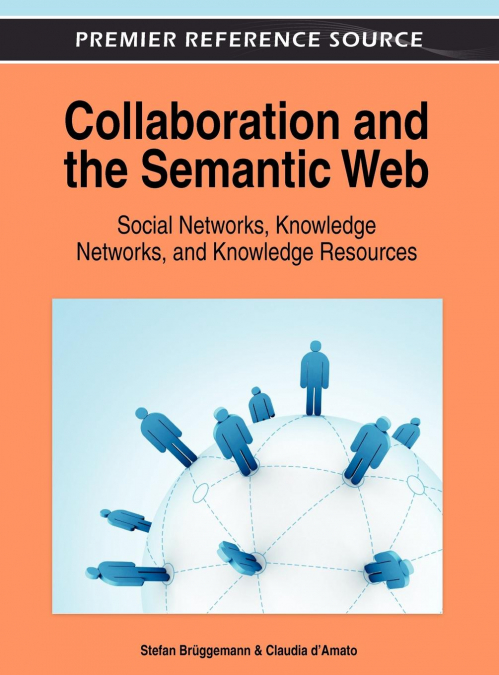
  • Collaboration and the Semantic Web
    Collaborative working has been increasingly viewed as a good practice for organizations to achieve efficiency. Organizations that work well in collaboration may have access to new sources of funding, deliver new, improved, and more integrated services, make savings on shared costs, and exchange knowledge, information and expertise. Collaboration and the Semantic Web: Social Net...
  • Resource Allocation in Next-Generation Broadband Wireless Access Networks
    With the growing popularity of wireless networks in recent years, the need to increase network capacity and efficiency has become more prominent in society. This has led to the development and implementation of heterogeneous networks. Resource Allocation in Next-Generation Broadband Wireless Access Networks is a comprehensive reference source for the latest scholarly research o...
  • Advanced Topics in Information Technology Standards and Standardization Research, Volume 1
    Kai Jakobs
    ...
  • Data Warehouses and OLAP
    ...
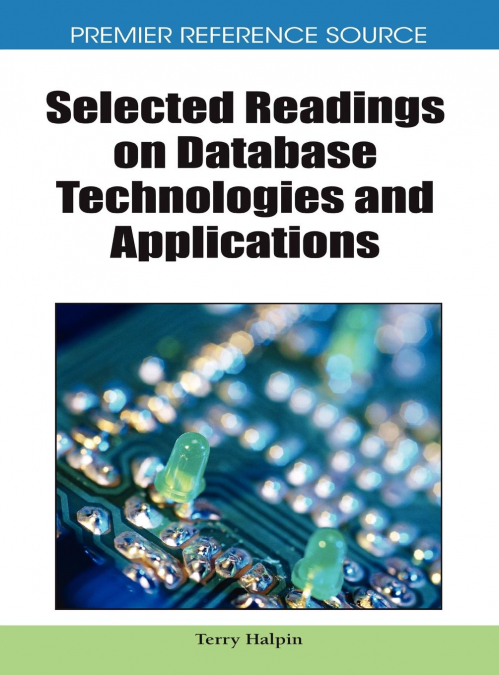
  • Selected Readings on Database Technologies and Applications
    Terry Halpin
    Education and research in the field of database technology can prove problematic without the proper resources and tools on the most relevant issues, trends, and advancements. Selected Readings on Database Technologies and Applications supplements course instruction and student research with quality chapters focused on key issues concerning the development, design, and analysis ...

Otros libros del autor

  • Mécanisme de jeton de page dans l’environnement OpenID
    Wan Mohd Yusoff Wan Yaacob
    OpenID a été introduit en tant que protocole décentralisé et centré sur l’utilisateur dans l’environnement du système d’authentification unique (SSO). Ce protocole a été choisi en raison de la principale caractéristique de l’authentification OpenID qui fournit un identifiant utilisateur unique pour se connecter aux sites Web qui prennent en charge cette technologie. Il commence...
    Disponible

    49,93 €

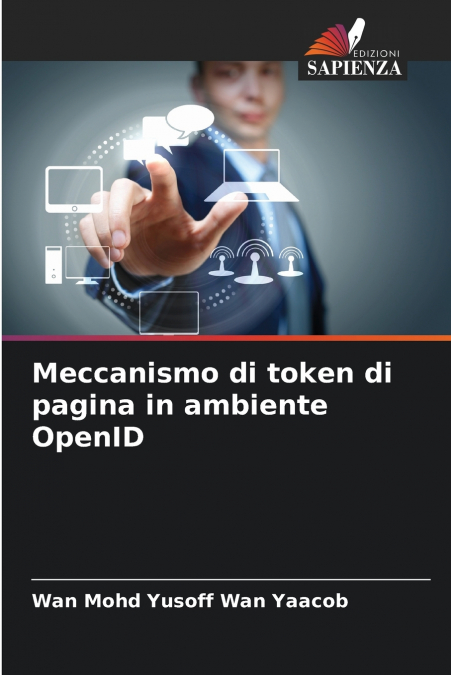
  • Meccanismo di token di pagina in ambiente OpenID
    Wan Mohd Yusoff Wan Yaacob
    OpenID è stato introdotto come protocollo decentralizzato e incentrato sull’utente nell’ambiente del sistema Single Sign-On (SSO). Questo protocollo è stato scelto in base alla caratteristica principale dell’autenticazione OpenID che fornisce un unico identificatore utente per accedere ai siti web che supportano questa tecnologia. Si inizia con la creazione di un’identità da pa...
    Disponible

    49,87 €

  • Mechanizm tokena strony w środowisku OpenID
    Wan Mohd Yusoff Wan Yaacob
    OpenID został wprowadzony jako zdecentralizowany i zorientowany na użytkownika protokół w środowisku systemu pojedynczego logowania (SSO). Protokół ten został wybrany w oparciu o główną cechę uwierzytelniania OpenID, która zapewnia pojedynczy identyfikator użytkownika do logowania się na stronach internetowych obsługujących tę technologię. Zaczyna się od utworzenia przez użytko...
    Disponible

    49,87 €

  • Mecanismo de Token de Página em Ambiente OpenID
    Wan Mohd Yusoff Wan Yaacob
    O OpenID foi introduzido como um protocolo descentralizado e centrado no utilizador no ambiente do sistema Single Sign-On (SSO). Este protocolo foi escolhido com base na principal caraterística da autenticação OpenID, que fornece um identificador de utilizador único para iniciar sessão nos sítios Web que suportam esta tecnologia. Começa com a criação de uma identidade pelo util...
    Disponible

    49,87 €