
Inicio > Humanidades > Filosofía > Ética y filosofía moral > Outlines of a Critical Theory of Ethics
Outlines of a Critical Theory of Ethics

Outlines of a Critical Theory of Ethics

John Dewey

34,79 €
IVA incluido
Consulta disponibilidad
Editorial:
Anson Street Press
Año de edición:
2025
Materia
Ética y filosofía moral
ISBN:
9781023461368

Selecciona una librería:

  • Librería Samer Atenea

  • Kálamo Books
  • Librería Elías (Asturias)
  • Librería Kolima (Madrid)
  • Librería Proteo (Málaga)

John Dewey’s 'Outlines of a Critical Theory of Ethics' remains a cornerstone of ethical theory, exploring the fundamental principles that underpin moral, social, and political philosophy. This influential work delves into the complex landscape of ethics, offering a critical examination of different perspectives and systems of thought. Dewey masterfully navigates the core questions of right and wrong, justice, and the ideal organization of society.A vital resource for anyone seeking a deeper understanding of ethics, this book provides a framework for analyzing moral dilemmas and engaging in thoughtful discourse on the values that shape our lives and communities. Explore the enduring relevance of Dewey’s insights as he probes the intricate relationship between individual conduct and the broader social good. A timeless exploration of ethical foundations, this volume continues to inspire critical thinking and informed ethical decision-making.This work has been selected by scholars as being culturally important, and is part of the knowledge base of civilization as we know it.This work is in the public domain in the United States of America, and possibly other nations. Within the United States, you may freely copy and distribute this work, as no entity (individual or corporate) has a copyright on the body of the work.Scholars believe, and we concur, that this work is important enough to be preserved, reproduced, and made generally available to the public. We appreciate your support of the preservation process, and thank you for being an important part of keeping this knowledge alive and relevant.
Artículos relacionados

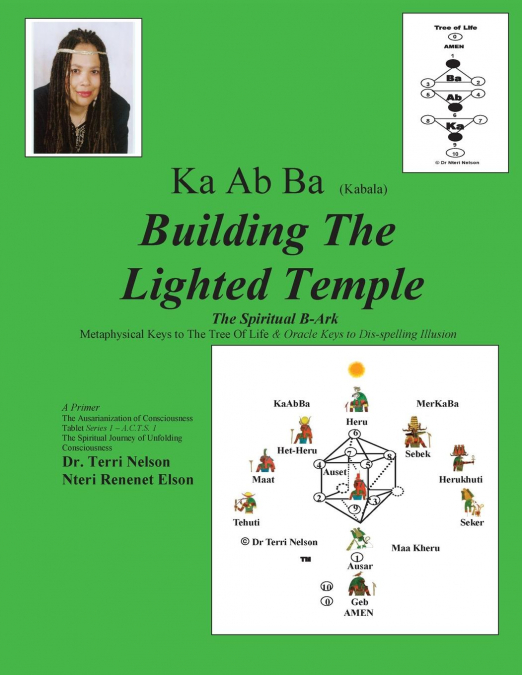
  • Ka Ab Ba Building The Lighted Temple
    Dr Terri R. Nelson / Dr Terri RNelson
    The book KaAbBa Building The Lighted Temple/Metaphysical Keys to the Tree of Life draws a circle that is inclusive of the Afrikan origin of the Ancient Kemetic/Egyptian wisdom. It reveals the undeniable root and link of Ancient Africa to all the religious systems that would develop worldwide. This book is explosive in its power to convey the meaning of KaAbBa, the Medu Neter  (...
    Disponible

    45,14 €

  • Technoethics and the Evolving Knowledge Society
    Rocci Luppicini
    Recently, there has been a major push to rediscover the ethical dimension of technology across the sciences, social sciences, and humanities. Technoethics and the Evolving Knowledge Society: Ethical Issues in Technological Design, Research, Development, and Innovation examines human processes and practices connected to technology embedded within social, political, and moral sph...
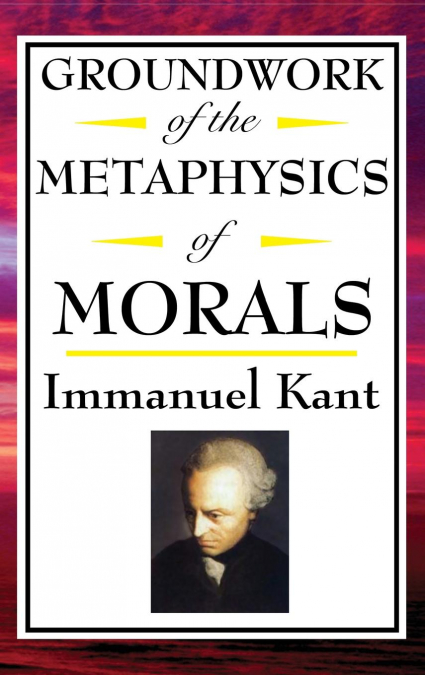
  • Kant
    Immanuel Kant
    Kant’s Groundwork of the Metaphysics of Morals is one of the most important works in modern moral philosophy. It belongs beside Plato, Aristotle, Machiavelli, and Hobbes. Here Kant sets out to articulate and defend the Categorical Imperative - the fundamental principle that underlies moral reasoning - and to lay the foundation for a comprehensive account of justice and human vi...
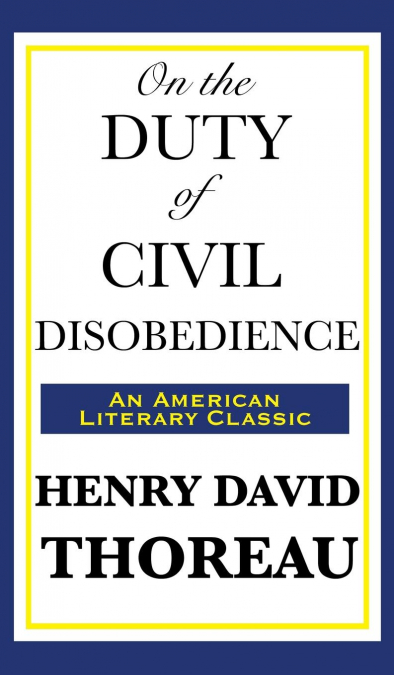
  • On the Duty of Civil Disobedience
    HENRY DAVID THOREAU
    Civil Disobedience argues that citizens should not permit their governments to overrule their consciences, and that they have a duty to avoid allowing their acquiescence to enable the government to make them the agents of injustice. Thoreau was motivated in part by his disgust with slavery and the Mexican-American War, but the sentiments he expresses here are just as pertinent ...
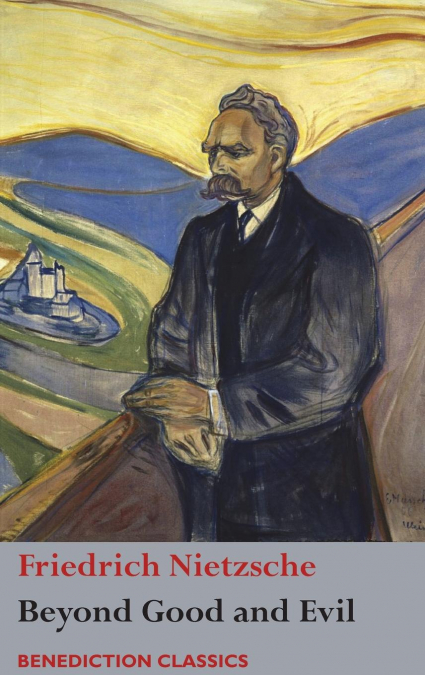
  • Beyond Good and Evil
    Friedrich Nietzsche
    Nietzsche, though primarily a philosopher, wrote widely on art, philology, history, religion, tragedy, culture, and science.  In 1886, at the height of his powers, he published Beyond Good and Evil.  Here he examines much of the best of human thought--dogmatic philosophy, Judeo-Christian morality, science and democracy – and finds it lacking.  Rejecting “slave-morality” he pres...
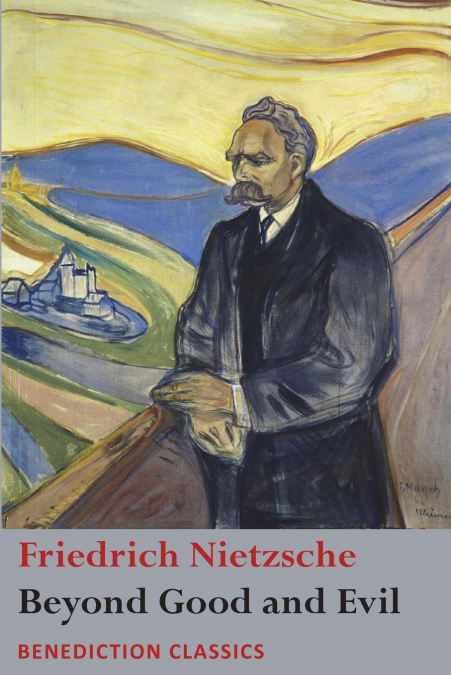
  • Beyond Good and Evil
    Friedrich Nietzsche
    Nietzsche, though primarily a philosopher, wrote widely on art, philology, history, religion, tragedy, culture, and science.  In 1886, at the height of his powers, he published Beyond Good and Evil.  Here he examines much of the best of human thought--dogmatic philosophy, Judeo-Christian morality, science and democracy – and finds it lacking.  Rejecting “slave-morality” he pres...
    Disponible

    10,94 €

Otros libros del autor

  • Democracia y educación: Letra Grande
    John Dewey
    ¿Qué función deben cumplir las escuelas en una sociedad democrática y qué exige un aprendizaje auténtico? John Dewey sostiene que estas preguntas no pueden separarse.Publicado en 1916, Democracia y educación examina la educación como un proceso social, no como una mera transmisión de información del maestro al alumno. Dewey pregunta cómo cobra sentido la experiencia, cómo se de...
  • Principios morales en la educación: Letra Grande
    John Dewey
    ¿Qué enseña a un niño a actuar con responsabilidad: una lección sobre la virtud o la vida cotidiana del aula? John Dewey sitúa esa pregunta en el centro de la educación escolar.En Principios morales en la educación, Dewey sostiene que el desarrollo ético no puede separarse de las tareas habituales del aprendizaje. La organización de una escuela, las relaciones que promueve y el...
  • El público y sus problemas
    John Dewey
    La democracia necesita más que elecciones e instituciones. Necesita ciudadanos capaces de comprender qué los une y actuar a partir de ese conocimiento.En El público y sus problemas, John Dewey se pregunta cómo surge un público y por qué puede tener dificultades para reconocerse. Su respuesta parte de las consecuencias indirectas de las acciones humanas: cuando las decisiones af...
  • La escuela y la sociedad: Letra Grande
    John Dewey
    ¿Y si la educación partiera de la experiencia activa de los niños en lugar de la escucha pasiva? John Dewey pregunta qué puede llegar a ser el aprendizaje cuando las aulas se conectan con la vida que transcurre más allá de sus paredes.Basada en conferencias pronunciadas en la Universidad de Chicago, La escuela y la sociedad expone un argumento central de la educación progresist...
  • The School and Society
    John Dewey
    What if education began with children’s active experience rather than passive listening? John Dewey asks what learning can become when classrooms connect with the life beyond their walls.Based on lectures delivered at the University of Chicago, The School and Society sets out a central argument of progressive education: learning is a social activity, rooted in experience. Writi...
  • Human Nature and Conduct
    John Dewey
    What makes it possible to act differently when our habits pull us toward a familiar response? In Human Nature and Conduct, John Dewey starts with the way people actually learn to act: among other people, in surroundings that encourage some habits and make others difficult to sustain. From there, he asks what it takes to change how we behave.For Dewey, habit is more than repetit...
    Disponible

    20,43 €