Inicio > Lenguas > Lenguaje: consulta y general > O processo de aquisição da linguagem de crianças surdas com implante coclear em dois diferentes contextos
O processo de aquisição da linguagem de crianças surdas com implante coclear em dois diferentes contextos

O processo de aquisição da linguagem de crianças surdas com implante coclear em dois diferentes contextos

Karina Elis Christmann

15,60 €
IVA incluido
Disponible
Editorial:
Editora Dialetica
Año de edición:
2022
Materia
Lenguaje: consulta y general
ISBN:
9786525235400
15,60 €
IVA incluido
Disponible

Selecciona una librería:

  • Librería Samer Atenea
  • Librería Aciertas (Toledo)
  • Kálamo Books
  • Librería Perelló (Valencia)
  • Librería Elías (Asturias)
  • Donde los libros
  • Librería Kolima (Madrid)
  • Librería Proteo (Málaga)

Este estudo faz uma análise contrastiva da aquisição da linguagem de duas crianças surdas com implante coclear em contextos diferentes. Foram analisadas as produções de linguagem dessas crianças enquanto interagiam com suas famílias em seus ambientes familiares, os dados foram coletados longitudinalmente entre o primeiro e o quarto ano de idade de cada criança. Este estudo utiliza a medida de Extensão Média do Enunciado (EME) ou Mean Length of Utterance (MLU) proposta por Brown (1973), para verificar a possibilidade de esta ser aplicada à Língua de Sinais e à Língua Portuguesa, e apresentar estudos dos estágios de aquisição com dados em Línguas de Sinais. Com base nos resultados, foi observado que a aquisição precoce da Língua de Sinais é de extrema importância para o desenvolvimento da criança surda, até mesmo antes do implante coclear. Além disso, constatou-se a dificuldade em comparar a Libras com o Português aplicando a EME, visto que são línguas de modalidade e gramática diferentes. Para as crianças com implante coclear, a Língua Brasileira de Sinais servirá como suporte linguístico para que a aquisição da Língua Portuguesa aconteça de forma mais espontânea, contrariando muitas hipóteses da medicina e de filosofias da educação que afirmam que a criança surda não deve ter contato com a Língua de Sinais antes de ser implantada, pois isso impediria a aquisição da língua falada. 10

Artículos relacionados

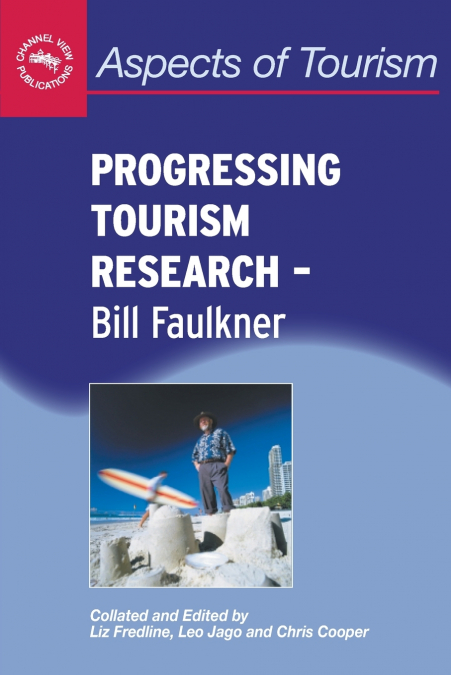
  • Progressing Tourism Research - Bill Faulkner
    Professor Bill Faulkner was the father of tourism research in Australia, having spent 20 years in the field, first within government and then in academe. He was a visionary whose impact on the tourism research field extended well beyond Australia. This book contains a collection of Bill’s publications grouped thematically under the headings Methods, Events, Destinations, and Re...
    Disponible

    51,23 €

  • The Cambridge Handbook of Experimental Syntax
    Grant Goodall
    ...
    Disponible

    76,23 €

  • Progressing Tourism Research - Bill Faulkner
    Professor Bill Faulkner was the father of tourism research in Australia, having spent 20 years in the field, first within government and then in academe. He was a visionary whose impact on the tourism research field extended well beyond Australia. This book contains a collection of Bill’s publications grouped thematically under the headings Methods, Events, Destinations, and Re...
  • The Global Nomad
    Backpackers have shifted from the margins of the travel industry into the global spotlight. This volume explores the international backpacker phenomenon, drawing together different disciplinary perspectives on its meaning, impact and significance. Links are drawn between theory and practice, setting backpacking in its wider social, cultural and economic context. ...
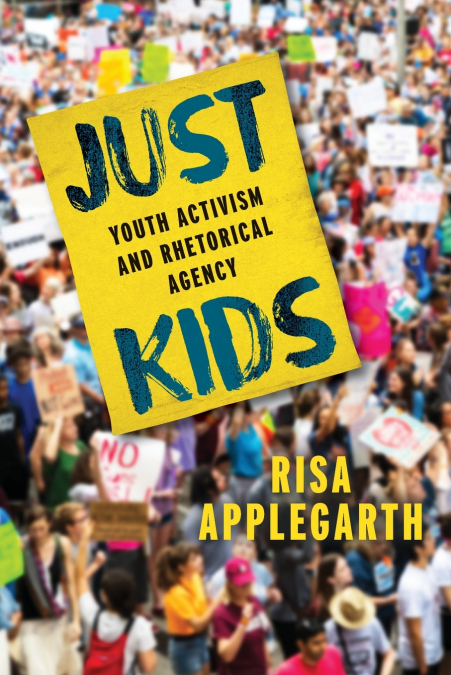
  • Just Kids
    Risa Applegarth
    Although children have prompted and participated in numerous acts of protest and advocacy, their words and labors are more likely to be dismissed than discussed as serious activism. Whether treated disparagingly by antagonistic audiences or lauded as symbols of hope by sympathetic ones, children and teens are rarely considered capable organizers and advocates for change. In Jus...
    Disponible

    44,88 €

  • Just Kids
    Risa Applegarth
    Although children have prompted and participated in numerous acts of protest and advocacy, their words and labors are more likely to be dismissed than discussed as serious activism. Whether treated disparagingly by antagonistic audiences or lauded as symbols of hope by sympathetic ones, children and teens are rarely considered capable organizers and advocates for change. In Jus...