 Librería Samer Atenea
 Kálamo Books
 Librería Elías (Asturias)
 Librería Kolima (Madrid)
 Librería Proteo (Málaga)
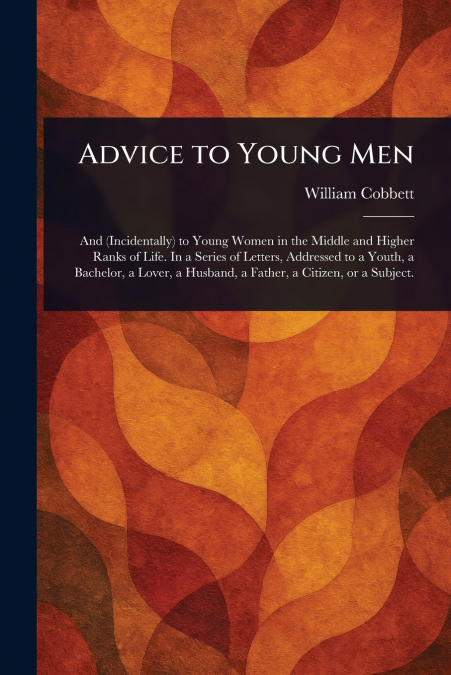
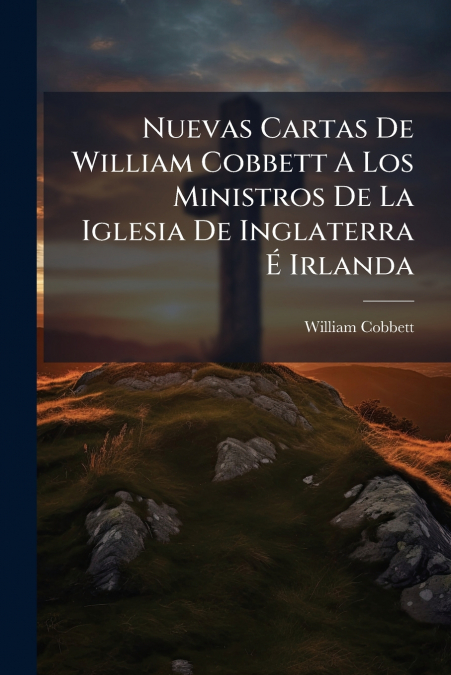
Nuevas Cartas De William Cobbett A Los Ministros De La Iglesia De Inglaterra é Irlanda presenta una colección de cartas escritas por William Cobbett, destacando su crítica incisiva y su análisis político-religioso del siglo XIX. Dirigidas a los ministros de la Iglesia de Inglaterra y de Irlanda, estas cartas ofrecen una visión profunda de las controversias religiosas y políticas de la época. Cobbett, conocido por su estilo directo y su defensa de las clases trabajadoras, examina temas de corrupción, justicia social y la influencia de la iglesia en la sociedad.Este volumen es esencial para comprender las tensiones religiosas y políticas del período, y para apreciar la perspicacia y el compromiso de Cobbett con la reforma social y política. La obra permanece relevante para aquellos interesados en la historia religiosa, la filosofía política, y los escritos de uno de los más influyentes comentaristas sociales de su tiempo.This work has been selected by scholars as being culturally important, and is part of the knowledge base of civilization as we know it. This work was reproduced from the original artifact, and remains as true to the original work as possible. Therefore, you will see the original copyright references, library stamps (as most of these works have been housed in our most important libraries around the world), and other notations in the work.This work is in the public domain in the United States of America, and possibly other nations. Within the United States, you may freely copy and distribute this work, as no entity (individual or corporate) has a copyright on the body of the work.As a reproduction of a historical artifact, this work may contain missing or blurred pages, poor pictures, errant marks, etc. Scholars believe, and we concur, that this work is important enough to be preserved, reproduced, and made generally available to the public. We appreciate your support of the preservation process, and thank you for being an important part of keeping this knowledge alive and relevant.