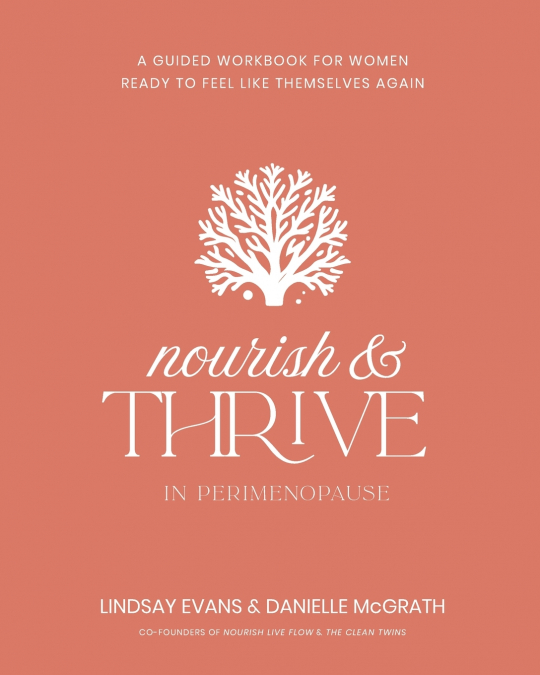
Nourish and Thrive

Nourish and Thrive

Danielle McGrath / Lindsay Evans

22,53 €
IVA incluido
Disponible
Editorial:
fEMPOWER Publications Inc.
Año de edición:
2026
ISBN:
9781998721467
22,53 €
IVA incluido
Disponible

Selecciona una librería:

  • Librería Samer Atenea
  • Kálamo Books
  • Librería Elías (Asturias)
  • Librería Kolima (Madrid)
  • Librería Proteo (Málaga)

Nourish & Thrive in PerimenopausePerimenopause is not something to push through-it’s a season to be supported.Nourish & Thrive in Perimenopause is a gentle, practical workbook created to help you feel more grounded, regulated, and connected to your body during this powerful transition. Inside, you’ll explore simple, sustainable practices to support your hormones, nervous system, energy, and overall well-being-without extremes, restriction, or overwhelm.This workbook guides you through four core pillars:Mindset & Intention - reframing perimenopause and reconnecting with your inner wisdomNourishing Your Body - supporting hormones through food, movement, sleep, and gentle supplementationNervous System Regulation - calming stress responses and restoring a sense of safety in your bodyReducing Toxic Load - simple clean-living swaps that support long-term hormone healthWith reflective journaling prompts, trackers, education, and actionable steps, this workbook meets you exactly where you are-and helps you move forward in a way that feels supportive and realistic for your life.About the AuthorsWe’re Lindsay and Danielle-twin sisters, holistic wellness practitioners, and the founders of Nourish Live Flow and The Clean Twins. Through our own journeys with perimenopause, nervous system healing, and years of working with women, we saw how misunderstood and unsupported this stage of life can be.We created this workbook, Nourish & Thrive in Perimenopause, to be the resource we wish we’d had, one rooted in compassion, simplicity, and real life. Our approach honors the body’s intelligence and focuses on nourishment, regulation, and long-term well-being rather than quick fixes.You are not broken.You are not behind.You are becoming.And you deserve support every step of the way.
Artículos relacionados

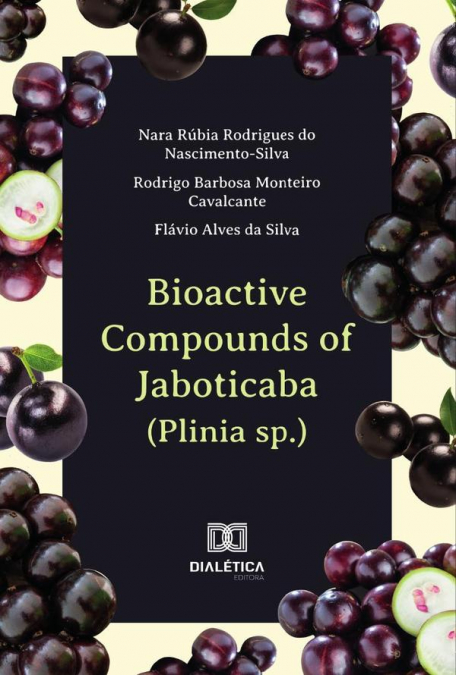
  • Bioactive Compounds Of Jaboticaba (Plinia Sp.)
    Flávio Alves Da Silva / Nara Rúbia Rodrigues Do Nascimento-Silva / Rodrigo Barbosa Monteiro Cavalcante
    The Whole Jaboticaba Fruit Stood Out For Its High Levels Of Total Polyphenols, Mainly Anthocyanins (Cyanidin And Delphinidin), Ellagic Acid, Methylellagic Acid, Gallic Acid, Myricetin, Quercetin, Castalagin, Pedunculagin And Vescalagin. When Evaluating The Behavior Of These Compounds After In Vitro Digestion, It Is Observed That Anthocyanins Did Not Suffer As Much In The Saliva...
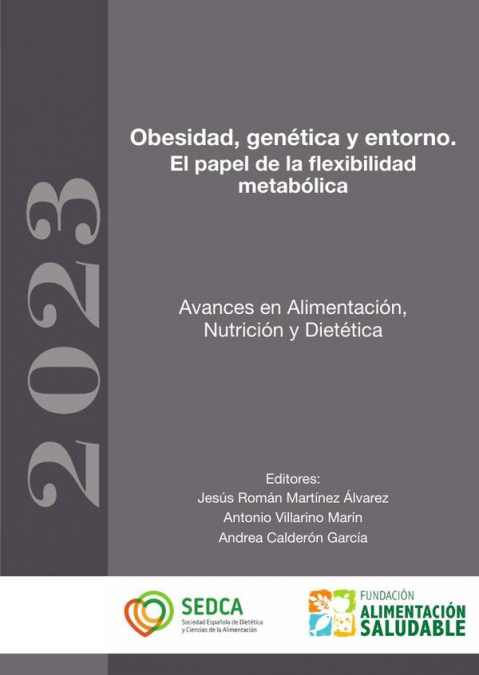
  • Obesidad, genética y entorno. El papel de la flexibilidad metabólica
    Fundación alimentación saludable
    Afortunadamente, gracias a la investigación, somos más conscientes de que la obesidad no es una patología que se deba en exclusiva a la desidia ola falta de voluntad del sujeto y que los mensajes de culpabilidad o estigmatización hacia los pacientes no sólo no ayudan a poner freno al sobrepeso, sino que pueden perjudicar seriamente su salud mental. También sabemos, y esto es mu...
    Disponible

    20,00 €

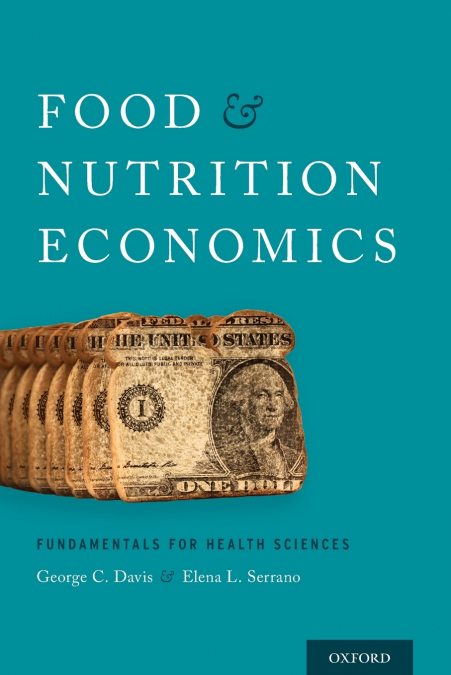
  • FOOD AND NUTRITION ECONOMICS P
    GEORGE C DAVIS
    ...
    Disponible

    125,42 €

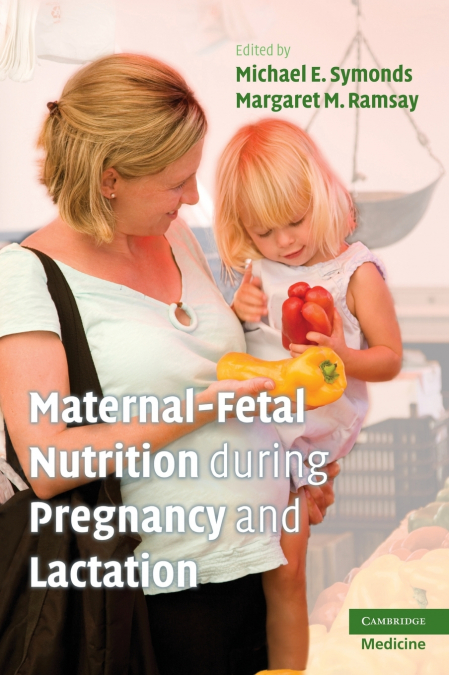
  • Maternal-Fetal Nutrition During Pregnancy and Lactation
    ...
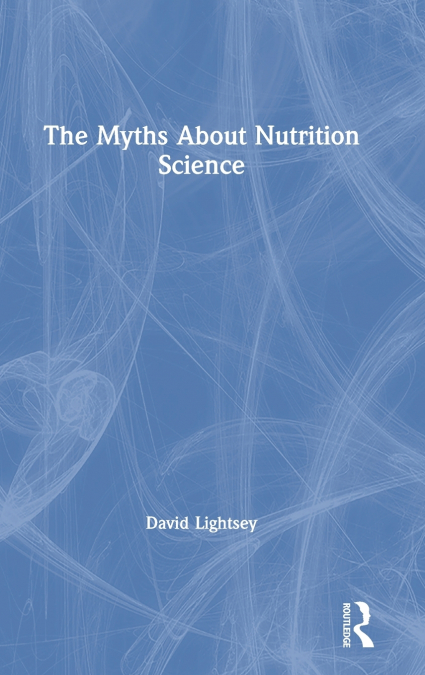
  • The Myths About Nutrition Science
    David Lightsey
    The Myths About Nutrition Science provides an authoritative, yet readily understandable, overview of the common misunderstandings that are commonplace within consumer or athletic communities regarding the food production process and nutrition science, which may affect their physical development, performance, and long-term health ...
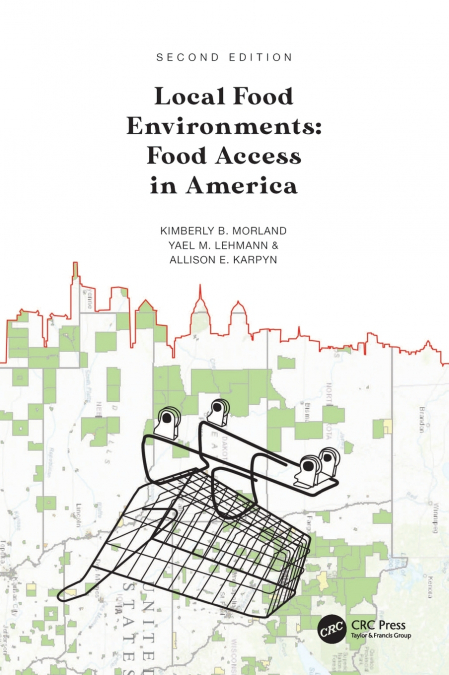
  • Local Food Environments
    Allison E. Karpyn / Kimberly B. Morland / Yael M. Lehmann
    This second edition contains four sections including (1) disparities between local food environments in the United States; (2) effect of restricted local food environments on dietary intake; (3) interventions to local food environment and their impact on communities; and (d) macro-level influence on the development of local food environments. ...