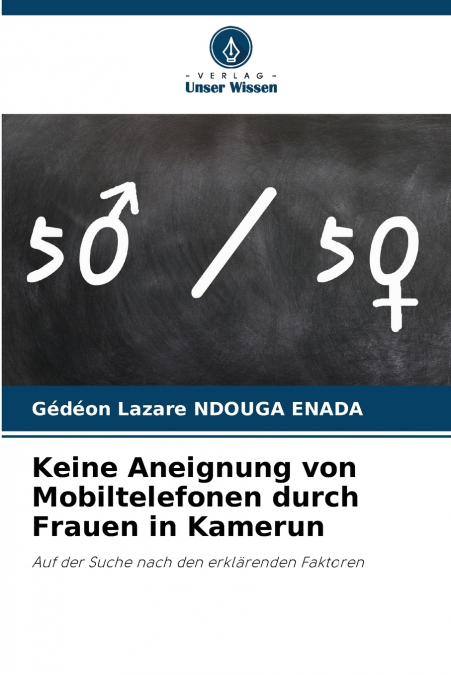

Non appropriation du téléphone portable par les femmes au Cameroun

Non appropriation du téléphone portable par les femmes au Cameroun

Gédéon Lazare NDOUGA ENADA

100,78 €
IVA incluido
Disponible
Editorial:
KS OmniScriptum Publishing
Año de edición:
2024
Materia
Estudios de género, grupos de género
ISBN:
9786206724308
100,78 €
IVA incluido
Disponible

Selecciona una librería:

  • Librería Desdémona
  • Librería Samer Atenea
  • Librería Aciertas (Toledo)
  • Kálamo Books
  • Librería Perelló (Valencia)
  • Librería Elías (Asturias)
  • Donde los libros
  • Librería Kolima (Madrid)
  • Librería Proteo (Málaga)

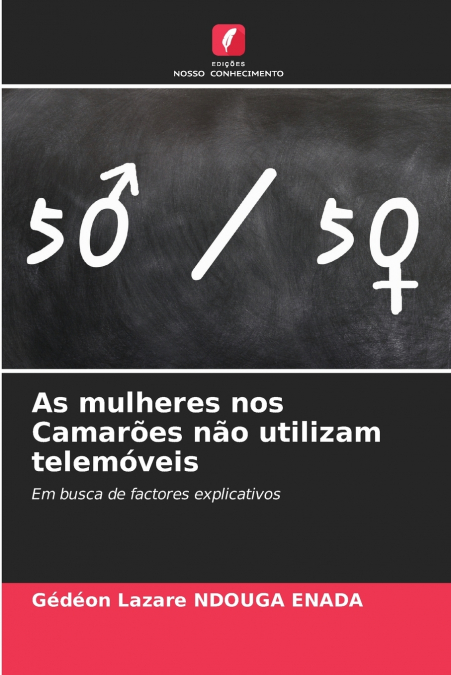
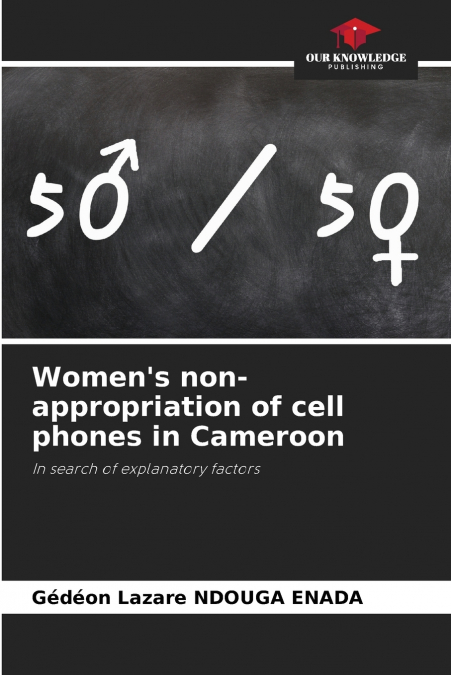
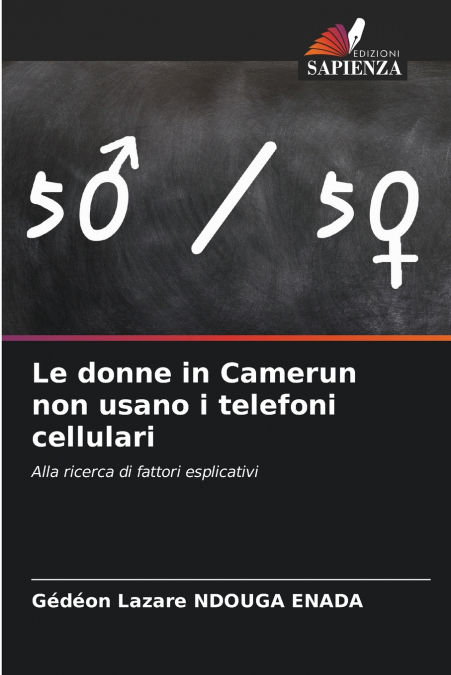
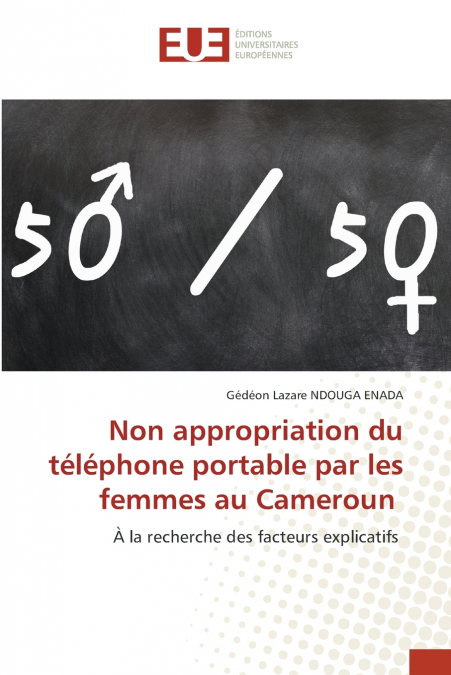
Le téléphone portable constitue à ce jour un outil quasi-universel. Malgré sa forte expansion à travers le monde, il demeure des disparités entre hommes et femmes, notamment dans les Pays à Revenu Faible et Intermédiaire. Il se trouve en effet que les femmes sont 10% et 15% moins susceptibles de posséder un téléphone portable que les hommes, respectivement dans les PRFI et en Afrique subsaharienne (GSMA, 2019). Le Cameroun ne déroge pas à ce schéma, puisque les données de la cinquième Enquête Démographique et de Santé indiquent que 77,3% des hommes possèdent un téléphone portable au Cameroun, contre 63,6% de femmes (soit un écart de 14%). Fort du précédent constat, la présente étude analyse l’influence des facteurs individuels et contextuels sur la non appropriation du téléphone portable par les femmes au Cameroun. Pour y parvenir, elle s’est servi des données de l’EDS-V. Il a été question à partir de ces dernières d’effectuer tour à tour les analyses bivariées entre variables dépendantes et indépendantes, de dresser le profil des femmes ne s’étant pas appropriées de téléphone portable et d’identifier les facteurs individuels et contextuels qui expliquent ce phénomène.
Artículos relacionados

  • Contemporary Global Perspectives on Gender Economics
    Susanne Moore
    The rise of women in the workforce has led to many campaigns for wage equality and the impartial treatment of both sexes as they pursue careers previously designated as either a man’s or a woman’s job. The impact of these campaigns has been felt, but a sense of gender stereotyping still affects not only the social and cultural well-being of the modern organization, but the driv...
    Disponible

    256,04 €

  • Revealing Gender Inequalities and Perceptions in South Asian Countries through Discourse Analysis
    Misconceptions regarding gender identity and issues of inequality that women around the world face have become a predominant concern for not only the citizens impacted, but global political leaders, administrators, and human rights activists. Revealing Gender Inequalities and Perceptions in South Asian Countries through Discourse Analysis explores how an analysis of language us...
    Disponible

    242,72 €

  • Handen som gungar vaggan
    Jonas Nilsson
    'Den feministiska rörelsen lärde kvinnor att se sig själva som offer för förtryckande patriarkat... En självpåtagen offerroll är inte ett recept för lycka', menar den konservativa aktivisten och författaren Phyllis Schalfy och denna tes är genomgående även i denna debattbok. Författaren beskriver här hur kvinnor biologiskt, socialt och evolutionärt fungerar - något som den agen...
  • Language and Gender in the Military
    Edith A. Disler
    In the thirty-year history of the study of language and gender, theory and application have branched incrementally like the reaches of a family tree. The study of language and gender has progressed from an eye-opening review of differences between the 'language' of women and men to observations that language served to preserve 'domination' of one sex over another and on to a cr...
  • Online Intersex Communities
    Brian Still
    Once referred to as hermaphrodites, intersex persons are born with a sexual anatomy or physiology inconsistent with social expectations of what constitutes a normal male or female. Of course, this definition of intersexuality, like all definitions, is rhetorically charged. In other words, intersexuality does not have meaning in and of itself that can be separated from the cultu...
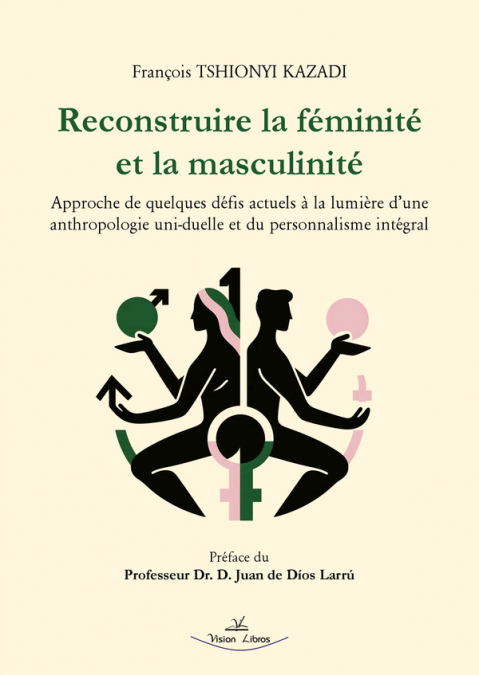
  • Reconstruire la Féminité et la Masculinité
    François Tshionyi Kazadi
    Qui aurait raison d’imaginer une humanité exclusivement masculine ou exclusivement féminine ? Pareille tendance serait contre-nature et contredirait à coup sûr l’optimisme originaire selon lequel le Créateur, après la création de la femme, aux côtés de l’homme, vit que tout était très bon. Le débat contemporain sur l’identité humaine ou l’identité sexuelle est tellement provoca...

Otros libros del autor

  • Keine Aneignung von Mobiltelefonen durch Frauen in Kamerun
    Gédéon Lazare NDOUGA ENADA
    Das Mobiltelefon ist heute ein nahezu universelles Werkzeug. Trotz seiner starken Verbreitung auf der ganzen Welt gibt es immer noch Unterschiede zwischen Männern und Frauen, insbesondere in Ländern mit niedrigem und mittlerem Einkommen. So ist die Wahrscheinlichkeit, dass Frauen ein Mobiltelefon besitzen, in den MICs und in Subsahara-Afrika um 10% bzw. 15% geringer als bei Män...
    Disponible

    99,86 €

  • As mulheres nos Camarões não utilizam telemóveis
    Gédéon Lazare NDOUGA ENADA
    O telemóvel é hoje uma ferramenta quase universal. Apesar da sua rápida expansão em todo o mundo, ainda existem disparidades entre homens e mulheres, em especial nos países de baixo e médio rendimento. De facto, as mulheres têm 10% e 15% menos probabilidades de possuir um telemóvel do que os homens nos PBR e na África Subsariana, respetivamente (GSMA, 2019). Os Camarões não são...
    Disponible

    99,88 €

  • Women’s non-appropriation of cell phones in Cameroon
    Gédéon Lazare NDOUGA ENADA
    Today, the cell phone is an almost universal tool. Despite its rapid expansion around the world, there are still disparities between men and women, particularly in low- and middle-income countries. Indeed, it turns out that women are 10% and 15% less likely to own a cell phone than men, in LMICs and Sub-Saharan Africa respectively (GSMA, 2019). Cameroon is no exception to this ...
    Disponible

    99,91 €

  • Le donne in Camerun non usano i telefoni cellulari
    Gédéon Lazare NDOUGA ENADA
    Il telefono cellulare è ormai uno strumento quasi universale. Nonostante la sua rapida espansione in tutto il mondo, esistono ancora disparità tra uomini e donne, in particolare nei Paesi a basso e medio reddito. Infatti, le donne hanno il 10% e il 15% in meno di probabilità di possedere un telefono cellulare rispetto agli uomini, rispettivamente nei LIC e nell’Africa sub-sahar...
    Disponible

    99,88 €