 Librería Samer Atenea
 Kálamo Books
 Librería Elías (Asturias)
 Librería Kolima (Madrid)
 Librería Proteo (Málaga)
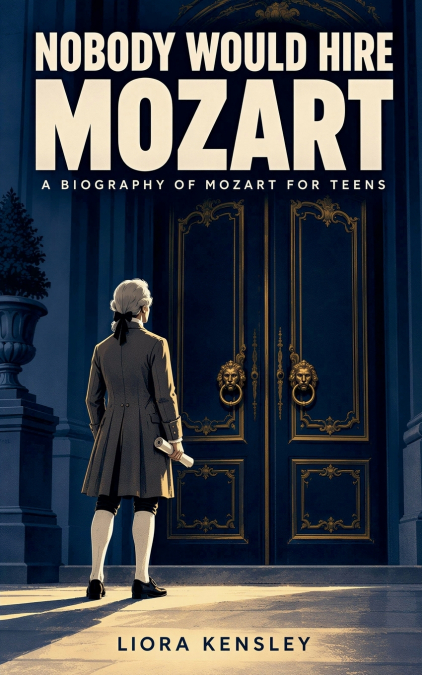
In June 1781, a twenty-five-year-old was kicked out of an archbishop’s household in Vienna. He had asked to be released. He had been refused twice. On the third attempt the chief steward lost patience and used his boot.The young man was the best keyboard player in Europe. He had nowhere to go.What he did next was assemble a living out of pieces - lessons, self-financed concerts, music sold outright to publishers, commissions from whoever had cash. Every part of that already existed in 1781. What almost nobody had done was live on all of it at once, at the top of the profession, having turned down the alternative.For about four years it worked spectacularly. He gave twenty-two concerts in thirty-eight days. He sold a hundred and seventy-four subscriptions in a single season. He rented an apartment that cost more per year than his old salary.Then it stopped, and the reasons had less to do with him than almost anyone has been willing to say.This is Mozart as a working professional: the seating chart that told him exactly what a composer was worth, the sister trained identically and stopped at eighteen, the clarinet built for one man’s hands, the wax museum that paid him to write for a machine, the merchant who lent him money twenty-one times and kept the letters. It is also an argument about evidence - who wrote down what survives, and what each of them stood to gain by writing it that way.For readers 13 and up.