 Librería Samer Atenea
 Kálamo Books
 Librería Elías (Asturias)
 Librería Kolima (Madrid)
 Librería Proteo (Málaga)
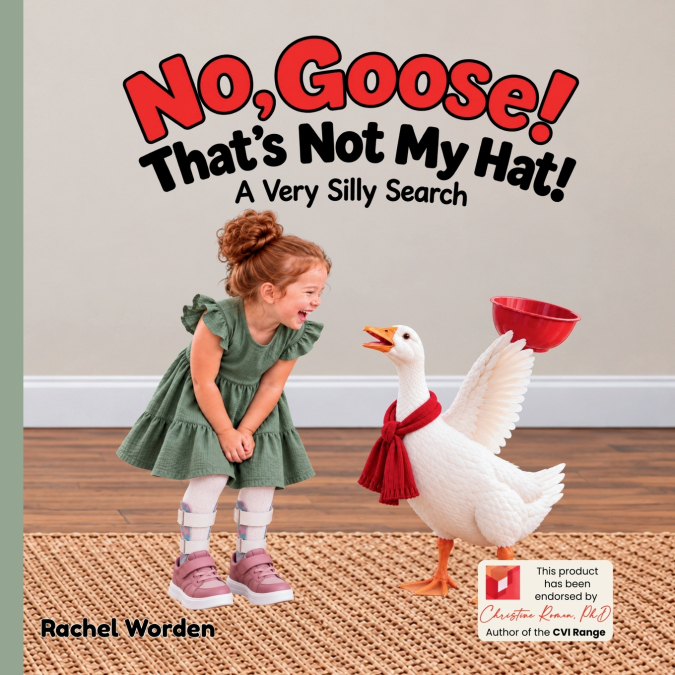
No, Goose! That’s Not My Hat!A Very Silly SearchA playful, visually accessible picture book about a little girl, a very determined goose, and one increasingly ridiculous search for a red hat.Anna needs her red hat.There’s just one problem...Goose keeps bringing her everything BUT her hat!A red bowl? That’s not a hat.A blue bucket? Nope.And just wait until Goose starts getting really creative.No, Goose! That’s Not My Hat! invites children to join Anna and her very silly goose for a playful search filled with ridiculous mix-ups, repetition, laughter, and one determined little helper who eventually gets it right.Look. Compare. Think. Decide.At the heart of No, Goose! That’s Not My Hat! is the concept of comparative thought.Each time Goose returns with the wrong object, children have an opportunity to look closely and compare what they see with what they know.Is this Anna’s hat?How do you know?What is the same? What is different?What features tell you what the object really is?Through the repeated search for Anna’s hat, children can practice noticing meaningful visual features, comparing objects, identifying similarities and differences, making predictions, and using visual clues to make a choice.Designed With Visual Access in MindNo, Goose! That’s Not My Hat! was thoughtfully designed to support visual access for children with Cortical Visual Impairment (CVI), low vision, sensory differences, and developmental delays.The book incorporates:Realistic, recognizable imageryReduced visual complexitySimple, uncluttered scenesMeaningful visual contextClear presentation of important visual informationPredictable, repetitive languageOpportunities to look, compare, anticipate, and participateFamiliar objects that support recognition and concept developmentRepresentation That Is Simply Part of the StoryAnna wears AFO braces throughout the book. Her disability is never explained, taught, or turned into the storyline. That representation is intentional. Children deserve opportunities to see mobility equipment, communication supports, and other differences represented naturally in the books they read, including stories that aren’t about disability at all.Great ForChildren with CVI • Children with low vision • Children with sensory differences • Children with developmental delays • Emergent readers • AAC users • Early learners • Inclusive classrooms • Special education classrooms • Therapy settings • Families working on visual recognition and concept development • And any child who enjoys a very silly goose