
Inicio > Humanidades > Historia > Nietzsche et la philosophie historique de la culture
Nietzsche et la philosophie historique de la culture

Nietzsche et la philosophie historique de la culture

Frederick Gomes Alves

115,66 €
IVA incluido
Disponible
Editorial:
KS OmniScriptum Publishing
Año de edición:
2026
Materia
Historia
ISBN:
9786209706981
115,66 €
IVA incluido
Disponible

Selecciona una librería:

  • Librería Samer Atenea

  • Kálamo Books
  • Librería Elías (Asturias)
  • Librería Kolima (Madrid)
  • Librería Proteo (Málaga)

Entre 1869 et 1882, Nietzsche élabore une philosophie de la culture qui comporte des aspects pertinents pour la théorie de l’histoire aujourd’hui. Cette philosophie de la culture repose sur une réflexion approfondie sur l’histoire, dans sa double dimension: en tant qu’expérience humaine dans le temps et en tant que connaissance de cette expérience. Pour Nietzsche, la culture et l’histoire sont les deux faces de la vie humaine; toute sa philosophie repose sur ce postulat. Ainsi, sa réflexion sur la métaphysique, la science, l’esthétique, la politique et l’éthique peut contribuer tant à la compréhension de sa pensée historique qu’à la réflexion sur la manière dont ces cinq facteurs s’articulent au sein d’une théorie de l’histoire. Ces éléments façonnent la philosophie historique de la culture chez Nietzsche. Ici, sa pensée historique sera examinée à partir de six thèmes présents dans son œuvre : la culture, l’histoire universelle, la Grèce antique, la modernité, l’Agon et la morale des hommes d’exception. Enfin, à travers ce développement, la philosophie historique de la culture sera exposée selon les termes d’une histoire universelle, qui est la manière de penser l’histoire adoptée par Nietzsche en accord avec ses principaux interlocuteurs: Goethe, Schiller et Burckhardt.


Artículos relacionados

  • Raising Freedom's Banner
    Paul Harris
    World wide history of peaceful street demonstrations from their earliest beginning in eighteenth century England to their use throughout the world in the twenty-first century. Describes why some demonstration movements succeeded and others failed. Contrasts demonstrations within the law with civil disobedience demonstrations. Describes Peterloo, the Chartists, the Suffragettes,...
    Disponible

    27,81 €

  • Waipi’o Valley
    Jeffrey L. Gross
    Waipi’o Valley: A Polynesian Journey from Eden to Eden recounts the remarkable migrations of the Polynesians across a third of the circumference of the earth. Their amazing journey began from Kalana i Hau’ola, the biblical “Garden of Eden” located along the shore of the Persian Gulf, extended to the Indus River Valley of ancient Vedic India, to Egypt where some ancestors of the...
  • Floralia
    June Rainsford Butler
    A century characterized by a growing interest in science, the opportunity for travel, and leisure for gardening furnishes the setting for Butler’s book. The rise of landscape gardening in England is traced, and the origin and history of its most famous gardens are given. The close relation between England and America in the field of horticulture is also discussed.Originally pub...
    Disponible

    69,31 €

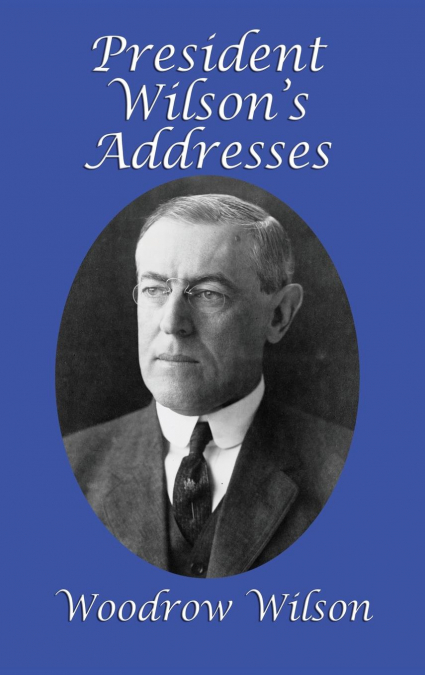
  • President Wilson’s Addresses
    Woodrow Wilson
    'These addresses of President Woodrow Wilson are almost entirely concerned with political affairs, and more specifically with defining Americanism. Yet they also show that even as he moved from academia to the heights of politics, Wilson retained something of the teacher’s interest in showing the relation between specific instances and the general forms of thought or action of ...
  • The Story of my Life
    John Albert Macy
    The Story of My Life, is Helen Keller’s autobiography detailing her early life, especially her experiences with Anne Sullivan. The book is dedicated to inventor Alexander Graham Bell. The dedication reads, 'To ALEXANDER GRAHAM BELL Who has taught the deaf to speak and enabled the listening ear to hear speech from the Atlantic to the Rockies, I dedicate this Story of My Life.' ...
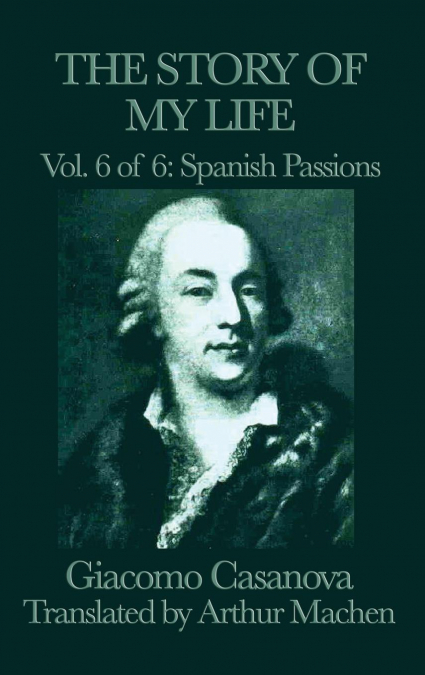
  • The Story of My Life Vol. 6 Spanish Passions
    Giacomo Casanova
    Casanova was an Italian adventurer and author from the Republic of Venice. His autobiography, Histoire de ma vie (Story of My Life), is regarded as one of the most authentic sources of the customs and norms of European social life during the 18th century. He has become so famous for his often complicated and elaborate affairs with women that his name is now synonymous with 'wom...

Otros libros del autor

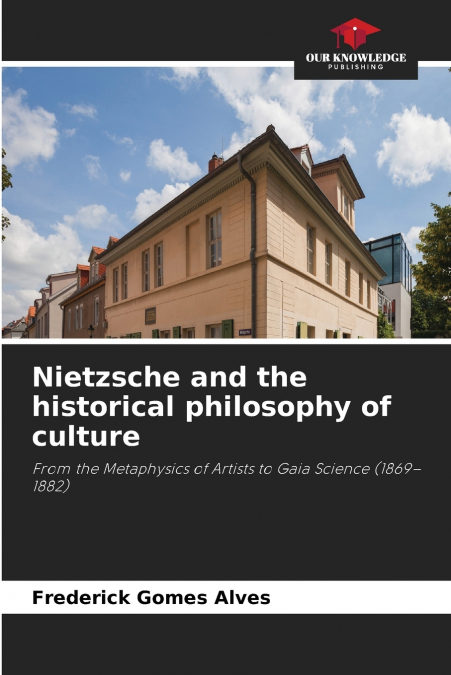
  • Nietzsche and the historical philosophy of culture
    Frederick Gomes Alves
    Between 1869 and 1882, Nietzsche developed a philosophy of culture that contains aspects relevant to contemporary historical theory. This philosophy of culture is grounded in a profound reflection on history, in its dual aspect: as human experience in time and as knowledge of that experience. For Nietzsche, culture and history are the two sides of human life; his entire philoso...
    Disponible

    114,20 €

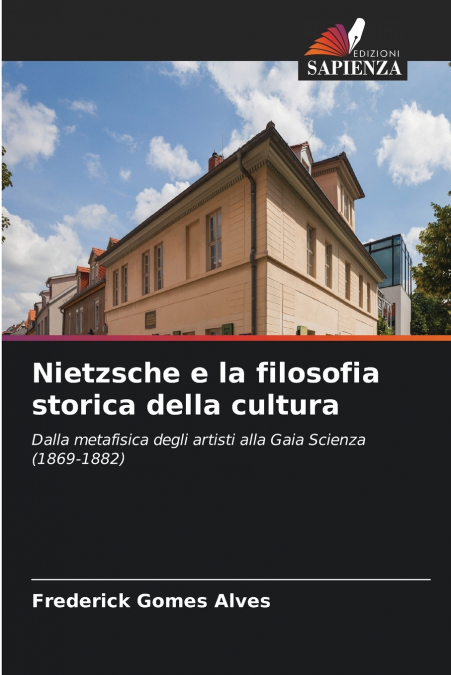
  • Nietzsche e la filosofia storica della cultura
    Frederick Gomes Alves
    Negli anni tra il 1869 e il 1882 Nietzsche elabora una filosofia della cultura che presenta aspetti rilevanti per la teoria della storia odierna. Questa filosofia della cultura si fonda su una profonda riflessione sulla storia, nel suo duplice aspetto: come esperienza umana nel tempo e come conoscenza di tale esperienza. Per Nietzsche, cultura e storia sono le due facce della v...
    Disponible

    114,20 €

  • Nietzsche i historyczna filozofia kultury
    Frederick Gomes Alves
    W latach 1869-1882 Nietzsche opracował filozofię kultury, która zawiera elementy istotne dla współczesnej teorii historii. Filozofia ta opiera się na głębokiej refleksji nad historią w jej podwójnym wymiarze: jako ludzkiego doświadczenia w czasie oraz jako wiedzy o tym doświadczeniu. Dla Nietzschego kultura i historia to dwie strony ludzkiego życia, cała jego filozofia opiera s...
    Disponible

    114,20 €

  • Nietzsche und die historische Kulturphilosophie
    Frederick Gomes Alves
    In den Jahren 1869-1882 entwickelte Nietzsche eine Kulturphilosophie, die für die heutige Geschichtstheorie relevante Aspekte aufweist. Diese Kulturphilosophie gründet auf einer tiefgreifenden Reflexion über die Geschichte in ihrem doppelten Aspekt: als menschliche Erfahrung in der Zeit und als Erkenntnis dieser Erfahrung. Für Nietzsche sind Kultur und Geschichte die beiden Sei...
    Disponible

    114,12 €