
Inicio > Humanidades > Filosofía > Nietzsche and the Fate of Art
Nietzsche and the Fate of Art

Nietzsche and the Fate of Art

Philip Pothen

65,15 €
IVA incluido
Disponible
Editorial:
Taylor & Francis Ltd
Año de edición:
2019
Materia
Filosofía
ISBN:
9781138296312
65,15 €
IVA incluido
Disponible

Selecciona una librería:

  • Librería Samer Atenea
  • Librería Aciertas (Toledo)
  • Kálamo Books
  • Librería Perelló (Valencia)
  • Librería Elías (Asturias)
  • Donde los libros
  • Librería Kolima (Madrid)
  • Librería Proteo (Málaga)

This title was first published in 2002. Challenging the accepted orthodoxy on Nietzsche’s views on art, this book seeks both to challenge and to establish a new set of concerns as far as discourses on Nietzsche’s thoughts on aesthetics are concerned, whilst at the same time using such insights to illuminate more central concerns of Nietzsche scholarship, such as the will to power, the illusion/truth question, the eternal return, the death of God, tragedy, Wagner. Following the development of Nietzsche’s thoughts on art from his earliest writings to his last, Pothen counters traditionally accepted interpretations by suggesting a need to recognize the deep suspicion and at times hostility that Nietzsche displays towards art and the artist throughout his text by emphasising the philosophical arguments underlying this deep suspicion, and by viewing this tendency as something deeply connected to the other areas of his thought. Readers with interests in Nietzsche studies, aesthetics, German philosophy, and the philosophy of music, will find this a particularly invaluable and distinctive contribution to Nietzsche scholarship.

Artículos relacionados

  • Introduction to a Future Way of Thought
    Kostas Axelos / Kenneth Mills
    'Technologists only change the world in various ways in generalized indifference; the point is to think the world and interpret the changes in its unfathomability, to perceive and experience the difference binding being to the nothing.'Anticipating the age of planetary technology Kostas Axelos, a Greek-French philosopher, approaches the technological question in this book, firs...
    Disponible

    18,58 €

  • Capsule
    John Kenneth Press
    Join John and Adam as they wander the mean streets of Japan on a psychedelic fueled search for identity. While fun for the average reader, this book could also serve as a philosphy textbook because of its ordered exploration of sources of identity. Ultimately this trip through nationalist attacks, sex, and drugs, will take you to a better understanding of yourself and your pl...
    Disponible

    11,51 €

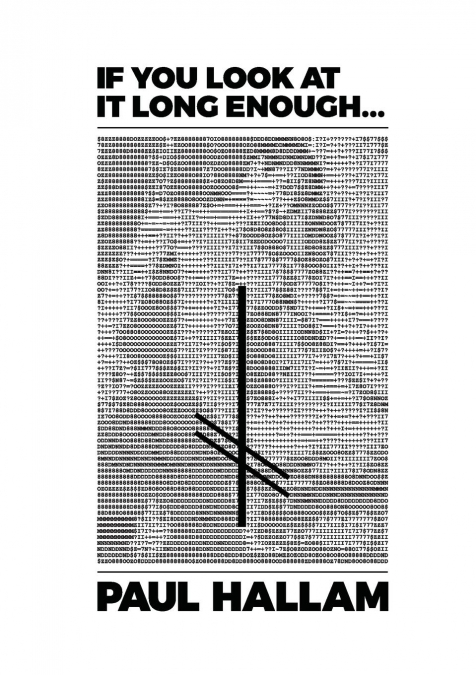
  • If you look at it long enough...
    Paul Hallam
    Originally written for an academic journal, If you look at it long enough... is primarily a personal account of Paul Hallam’s recollections of “self-abuse” through the consumption of porn over several decades. Challenging the familiar form of an “academic essay,” this autobiographical narrative raises several questions in relation to our contemporary morals related to sex in ge...
    Disponible

    11,30 €

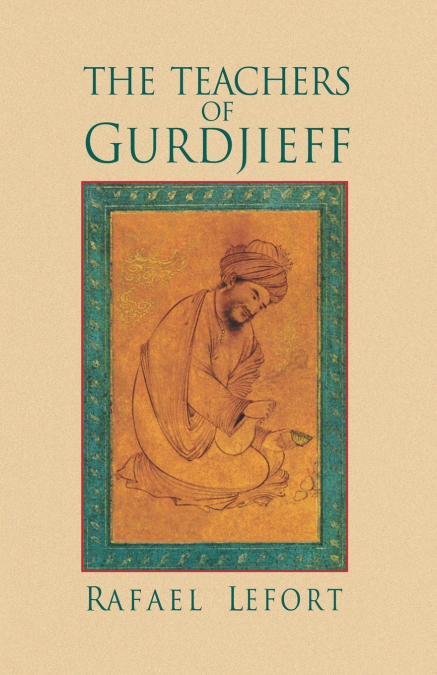
  • The Teachers of Gurdjieff
    Rafael Lafort / Rafael Lefort
    When The Teachers of Gurdjieff was first published more than 50 years ago, it made a considerable stir. George Ivanovich Gurdjieff had been one of the most famous mystics in the West in the first half of the 20th century - a teaching master who had many fashionable and influential pupils. He had a striking appearance and manner of teaching, and his teaching proved to be very in...
    Disponible

    20,45 €

  • Manifesto of the Communist Party
    Karl Marx
    The Communist Manifesto was first published on February 21, and it is one of the world’s most influential political tracts. Commissioned by the Communist League and written by communist theorists Karl Marx and Friedrich Engels, it laid out the League’s purposes and program. The Manifesto suggested a course of action for a proletarian (working class) revolution to overthrow the ...
  • The Art of Literature
    Arthur Schopenhauer
    Collected here are eight short essays, On Authorship, On Style, On the Study of Latin, On Men of Learning, On Thinking for Ones Self, On Criticism, On Reputation, On Genius, by the world renowned philosopher Arthur Achopenhauer. ...