Inicio > Medicina > Otras ramas de la medicina > Odontología > Niepróchnicowe zmiany szyjki macicy (NCCL)
Niepróchnicowe zmiany szyjki macicy (NCCL)

Niepróchnicowe zmiany szyjki macicy (NCCL)

Anushree Pawar / CHETANA MAKADE / PRATIMA SHENOI

113,12 €
IVA incluido
Disponible
Editorial:
KS OmniScriptum Publishing
Año de edición:
2026
Materia
Odontología
ISBN:
9786209824609
113,12 €
IVA incluido
Disponible

Selecciona una librería:

  • Librería Samer Atenea
  • Kálamo Books
  • Librería Elías (Asturias)
  • Librería Kolima (Madrid)
  • Librería Proteo (Málaga)

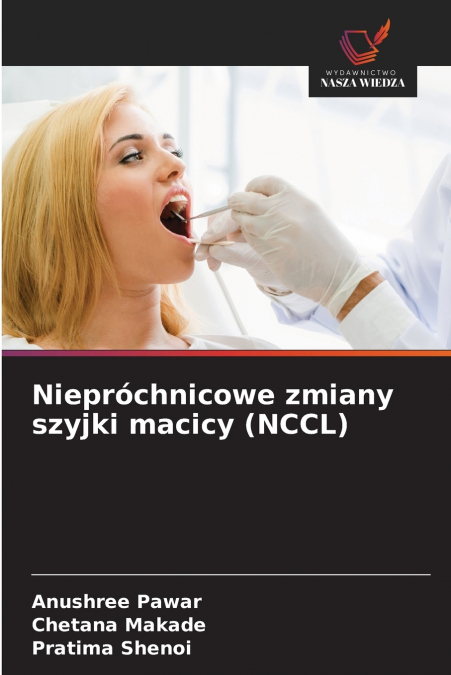
Niepróchnicowe zmiany szyjki macicy (NCCL) oznaczają postępującą utratę struktury zęba na styku cementowo-szlifowym, niezwiązaną z próchnicą, z częstością występowania wahającą się od 0,8% do 85,7%. Zmiany te często objawiają się jako wady w kształcie klina lub spodka, a ich częstotliwość i nasilenie zwiększają się wraz z wiekiem ze względu na długotrwałe narażenie na wiele czynników etiologicznych. Głównymi przyczynami są zużycie mechaniczne spowodowane niewłaściwym szczotkowaniem zębów, erozja chemiczna spowodowana kwasami pokarmowymi i naprężenia biomechaniczne, takie jak abfrakcja. Abfrakcja, opisana po raz pierwszy w latach 80. XX wieku, podkreśla rolę obciążenia okluzyjnego i zgięcia guzka w generowaniu naprężeń rozciągających w okolicy szyjki macicy, predysponując szkliwo i zębinę do mikropęknięć i późniejszego zniszczenia strukturalnego. NCCL mają znaczenie kliniczne, ponieważ pogarszają estetykę, wrażliwość zębów, zatrzymywanie płytki nazębnej, żywotność miazgi i długoterminową integralność strukturalną, często stwarzając wyzwania w zakresie odbudowy ze względu na położenie w szyjce macicy i ograniczone możliwości wiązania szkliwa. Kierownictwo koncentruje się na minimalnie inwazyjnej odbudowie z użyciem materiałów takich jak kompozyty żywiczne, glasjonomery, glasjonomery modyfikowane żywicą i kompozyty samoadhezyjne.
Artículos relacionados

  • Dental Assisting
    Dr. Kimberly Harper DDS
    Choosing a career can be intimidating, especially if you have no idea what you want to do or what path you can take to get there. If this is you, why not consider becoming a dental assistant? This frequently overlooked position is essential to the smooth running of a dentist office, and a good dental assistant can be described as the heart of a dental team. In Dental Assisting:...
    Disponible

    17,00 €

  • Prácticas de anatomía con enfoque odontológico
    Osiris Castañeda Mercado / Rosemary Castañeda Mercado
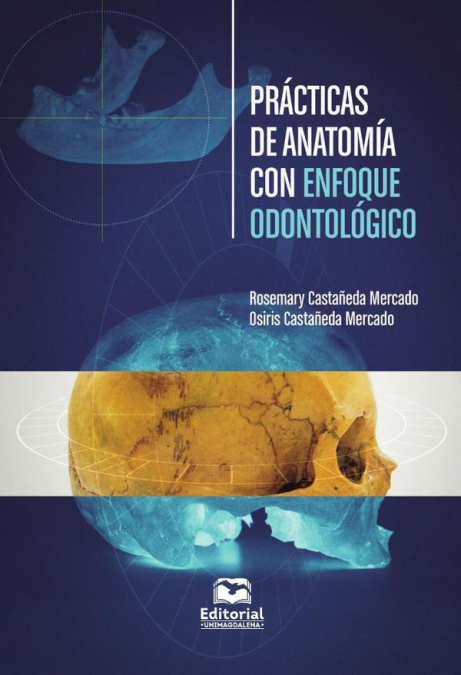
    La anatomía es la ciencia que estudia las estructuras del cuerpo humano mediante numerosas técnicas. Entre ellas, la exploración de órganos cumple un papel fundamental en el aprendizaje de la disciplina. El presente texto tiene como propósito servir de guía al estudiante de ciencias de salud, en especial al odontólogo en formación, ofreciéndole una visión actualizada de la anat...
  • Stem Cells in Periodontal Regeneration
    Saurabh Patil / Vaishali Lihe
    Stem cells play a pivotal role in periodontal regeneration due to their unique ability to transform into various specialized cell types. In periodontal therapy, these cells hold immense promise as they can differentiate into specific tissues like bone, periodontal ligament, and cementum, crucial for repairing and regenerating damaged structures in the gums and supporting bones....
    Disponible

    81,41 €

  • Diagnóstico e tratamento da Apneia Obstrutiva do Sono Pediátrica
    Amitha M. Hegde / Anusha Yerra / Vabitha Shetty
    A AOS em crianças é uma doença frequente com uma taxa de prevalência de 1-4%. Impõe uma morbilidade significativa, causando complicações neurocomportamentais, cardiovasculares e endócrinas. O comprometimento da respiração nasal com aumento da resistência nasal tem um impacto negativo bem documentado no desenvolvimento da maxila mandibular na primeira infância, tornando as vias ...
    Disponible

    61,81 €

  • Alternative Tequniques of cavity preparation
    Shoba Fernandes
    Dental caries is the most common chronic dental disease in the world. It is defined as a multifactorial microbial infectious disease characterized by demineralization of the inorganic and destruction of the organic substance of the tooth. Conventional treatments for caries removal are often associated with pain and fear as they are based on Mechanically driven rotary devices. I...
    Disponible

    118,64 €

  • GERIATRIC ORAL HEALTH CARE
    Abhinav Singh / Abhishek Purohit / Bharathi M Purohit
    'Smiles Through the Ages' is a concise yet comprehensive exploration of geriatric dental care. This book provides essential insights into maintaining oral health for seniors, addressing unique challenges such as age-related conditions, tooth loss, and gum diseases. With practical tips on daily oral hygiene, choosing the right dental products, and navigating dental appointments,...
    Disponible

    53,48 €

Otros libros del autor

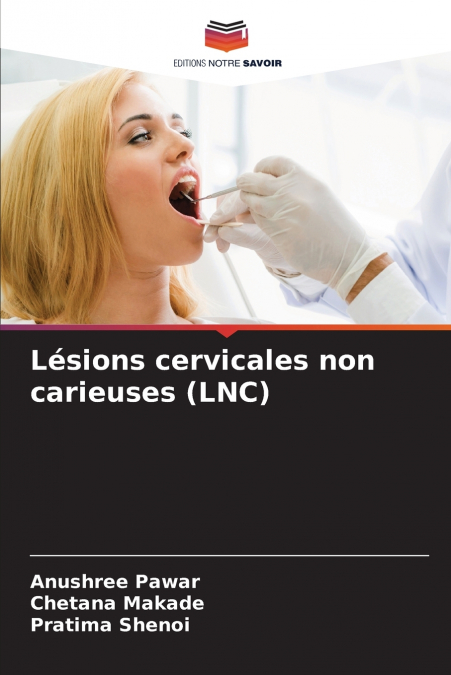
  • Lésions cervicales non carieuses (LNC)
    Anushree Pawar / CHETANA MAKADE / PRATIMA SHENOI
    Les lésions cervicales non carieuses (NCCL) représentent une perte progressive de la structure dentaire au niveau de la jonction cémento-émail, sans rapport avec la carie, avec une prévalence allant de 0,8 % à 85,7 %. Ces lésions se manifestent souvent sous la forme de défauts en forme de coin ou de soucoupe et augmentent en fréquence et en gravité avec l’âge en raison d’une ex...
    Disponible

    113,12 €

  • Lesioni cervicali non cariose (NCCL)
    Anushree Pawar / CHETANA MAKADE / PRATIMA SHENOI
    Le lesioni cervicali non cariose (NCCL) rappresentano una progressiva perdita della struttura del dente alla giunzione amelo-cementizia, non correlata alla carie, con una prevalenza che varia dallo 0,8% all’85,7%. Queste lesioni si manifestano spesso come difetti a forma di cuneo o di piattino e aumentano in frequenza e gravità con l’età a causa dell’esposizione prolungata a mo...
    Disponible

    113,12 €

  • Lesões cervicais não cariosas (LCNC)
    Anushree Pawar / CHETANA MAKADE / PRATIMA SHENOI
    Lesões cervicais não cariosas (LCNCs) representam uma perda progressiva da estrutura dentária na junção amelo-cementária, não relacionada à cárie, com prevalência variando de 0,8% a 85,7%. Estas lesões manifestam-se frequentemente como defeitos em forma de cunha ou pires e aumentam em frequência e gravidade com a idade devido à exposição prolongada a múltiplos factores etiológi...
    Disponible

    113,12 €

  • Nicht-kariöse zervikale Läsionen (NCCLs)
    Anushree Pawar / CHETANA MAKADE / PRATIMA SHENOI
    Nicht kariöse zervikale Läsionen (NCCLs) stellen einen fortschreitenden Verlust der Zahnstruktur an der Schmelz-Zement-Grenze dar, der nicht mit Karies in Zusammenhang steht, mit einer Prävalenz zwischen 0,8 % und 85,7 %. Diese Läsionen manifestieren sich häufig als keil- oder untertassenförmige Defekte und nehmen mit zunehmendem Alter aufgrund der längeren Exposition gegenüber...
    Disponible

    113,09 €

  • Non-carious cervical lesions (NCCLs)
    Anushree Pawar / CHETANA MAKADE / PRATIMA SHENOI
    Non-carious cervical lesions (NCCLs) represent a progressive loss of tooth structure at the cementoenamel junction, unrelated to caries, with a prevalence ranging from 0.8% to 85.7%. These lesions often manifest as wedge-shaped or saucer-shaped defects and increase in frequency and severity with age due to prolonged exposure to multiple etiological factors. Mechanical wear from...
    Disponible

    104,02 €