 Librería Samer Atenea
 Kálamo Books
 Librería Elías (Asturias)
 Librería Kolima (Madrid)
 Librería Proteo (Málaga)
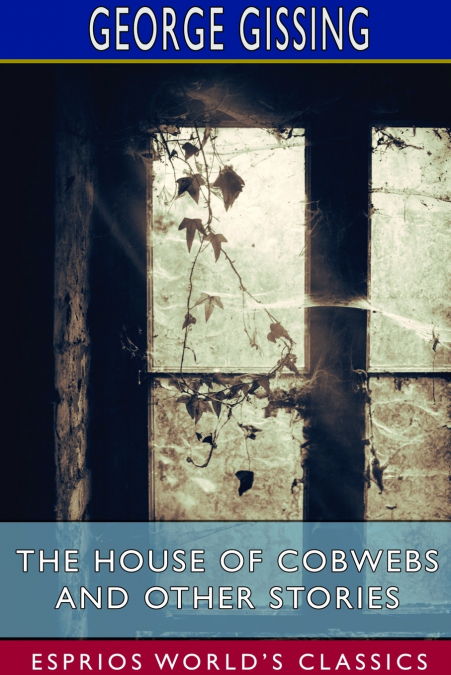
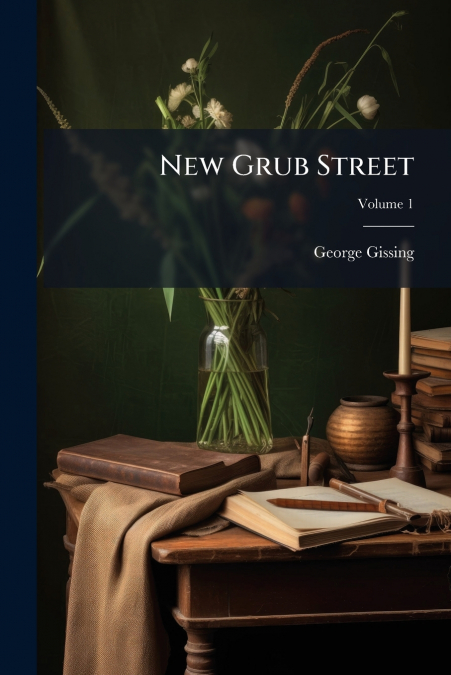
'New Grub Street,' George Gissing’s masterpiece, offers a stark and unflinching portrayal of the literary world in late 19th-century London. The novel follows the intertwined fates of aspiring writers struggling to survive in a society that often values commercial success over artistic merit. Through vividly drawn characters such as Edwin Reardon, a talented but commercially unsuccessful novelist, and Jasper Milvain, a pragmatic and ambitious journalist, Gissing explores the challenges of maintaining integrity and pursuing artistic ideals in a rapidly changing world. Set against the backdrop of London’s impoverished literary district, 'New Grub Street' provides a compelling commentary on the social and economic pressures faced by writers during the Victorian era. Gissing’s insightful prose and keen observations make this novel a timeless exploration of ambition, compromise, and the enduring power of art.This work has been selected by scholars as being culturally important, and is part of the knowledge base of civilization as we know it. This work was reproduced from the original artifact, and remains as true to the original work as possible. Therefore, you will see the original copyright references, library stamps (as most of these works have been housed in our most important libraries around the world), and other notations in the work.This work is in the public domain in the United States of America, and possibly other nations. Within the United States, you may freely copy and distribute this work, as no entity (individual or corporate) has a copyright on the body of the work.As a reproduction of a historical artifact, this work may contain missing or blurred pages, poor pictures, errant marks, etc. Scholars believe, and we concur, that this work is important enough to be preserved, reproduced, and made generally available to the public. We appreciate your support of the preservation process, and thank you for being an important part of keeping this knowledge alive and relevant.