 Librería Samer Atenea
 Kálamo Books
 Librería Elías (Asturias)
 Librería Kolima (Madrid)
 Librería Proteo (Málaga)
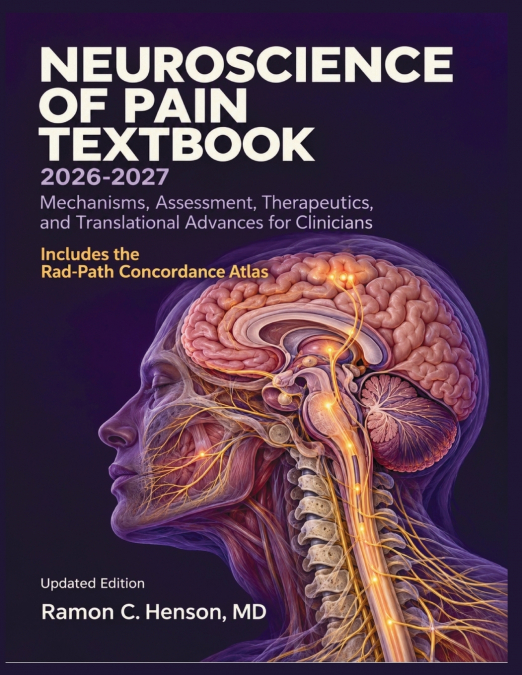
Connect Neural Mechanisms to Clinical Phenotypes Written for pain-medicine fellows, anesthesiology and neurology residents, rehabilitation professionals, advanced practitioners, and practicing clinicians, this work connects cellular signaling with bedside formulation. It follows nociceptive information from peripheral transduction through spinal, brainstem, thalamic, and cortical networks, then shows how plasticity, immune activity, sleep, learning, affect, and social context shape the phenotype encountered in care. The result is a clinically usable framework for separating overlapping contributors, selecting mechanism-consistent interventions, and revising the model when the patient trajectory diverges. Narrative cases, native comparison tables, visual prompts, and numbered decision pathways keep experimental detail connected to assessment, function, safety, and follow-up. Develop the Capacity to• Trace sensory signaling from nociceptor to distributed brain networks - connect anatomy and physiology with observable sensory patterns• Distinguish nociceptive, neuropathic, and nociplastic contributors - formulate mixed presentations without forcing a single label• Interpret bedside sensory findings, quantitative sensory testing, imaging, and electrophysiology - recognize both clinical value and validation limits• Relate sensitization, descending modulation, neuroimmune signaling, sleep, expectation, and learning - explain why symptoms change across states• Match pharmacologic, behavioral, rehabilitative, interventional, and neuromodulatory approaches to a stated target - define outcomes and exit criteria• Use the Mechanism-to-Phenotype Decision Atlas - move from signal source and circuit state to a monitored clinical pivot Bring mechanism, phenotype, context, and patient-valued function into one disciplined approach to pain care.