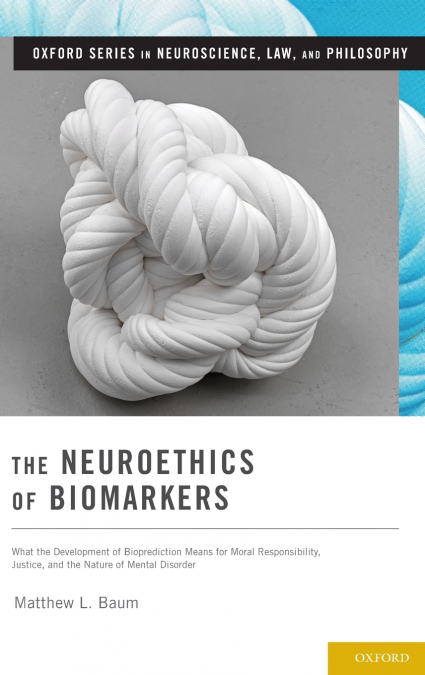

Neuroethics of Biomarkers

Neuroethics of Biomarkers

Matthew L Baum

123,06 €
IVA incluido
Consulta disponibilidad
Editorial:
Oxford University Press
Año de edición:
2016
Materia
Neurología y neurofisiología clínicas
ISBN:
9780190236267

Selecciona una librería:

  • Librería Samer Atenea
  • Librería Aciertas (Toledo)
  • Kálamo Books
  • Librería Perelló (Valencia)
  • Librería Elías (Asturias)
  • Donde los libros
  • Librería Kolima (Madrid)
  • Librería Proteo (Málaga)

Neuroscientists are mining nucleic acids, blood, saliva, and brain images in hopes of uncovering biomarkers that could help estimate risk of brain disorders like psychosis and dementia; though the science of bioprediction is young, its prospects are unearthing controversy about how bioprediction should enter hospitals, courtrooms, or state houses. While medicine, law, and policy have established protocols for how presence of disorders should change what we owe each other or who we blame, they have no stock answers for the probabilities that bioprediction offers. The Neuroethics of Biomarkers observes, however, that for many disorders, what we really care about is not their presence per se, but certain risks that they carry. The current reliance of moral and legal structures on a categorical concept of disorder (sick verses well), therefore, obscures difficult questions about what types and magnitudes of probabilities matter. Baum argues that progress in the neuroethics of biomarkers requires the rejection of the binary concept of disorder in favor of a probabilistic one based on biological variation with risk of harm, which Baum names a 'Probability Dysfunction.' This risk-reorientation clarifies practical ethical issues surrounding the definition of mental disorder in the DSM-5 and the nosology of conditions defined by risk of psychosis and dementia. Baum also challenges the principle that the acceptability of bioprediction should depend primarily on whether it is medically useful by arguing that biomarkers can also be morally useful through enabling moral agency, better assessment of legal responsibility, and fairer distributive justice. The Neuroethics of Biomarkers should be of interest to those within neuroethics, medical ethics, and the philosophy of psychiatry.
Artículos relacionados

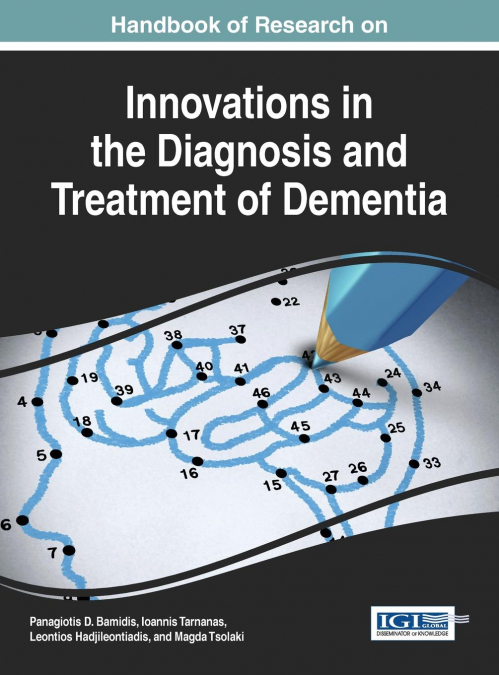
  • Handbook of Research on Innovations in the Diagnosis and Treatment of Dementia
    Ionnis Tarnanas / Leontios Hadjileontiadis / Panagiotis D Bamidis
    Technology is playing an increasing role in the lives of the elderly. One of the most prevalent developments for the aging population is the use of technological innovations for intervention and treatment of individuals with mental impairments. The Handbook of Research on Innovations in the Diagnosis and Treatment of Dementia offers empirical research and theoretical analyses o...
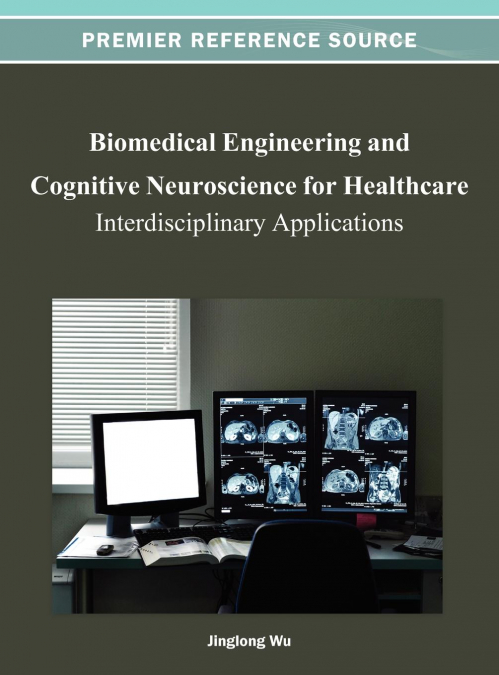
  • Biomedical Engineering and Cognitive Neuroscience for Healthcare
    Jinglong Wu
    New developments in medical technology have paved the way for the ongoing studies of cognitive neuroscience and biomedical engineering for healthcare. Their different but interconnected aspects of science and technology seek to provide new solutions for difficult healthcare problems and impact the future of the quality of life. Biomedical Engineering and Cognitive Neuroscience ...
  • Handbook of Functional MRI Data Analysis
    Jeanette A. Mumford / Russell A. Poldrack / Thomas E. Nichols
    ...
    Disponible

    63,88 €

  • How Do You Feel?
    A. D. Craig
    A book that fundamentally changes how neuroscientists and psychologists categorize sensations and understand the origins and significance of human feelingsHow Do You Feel? brings together startling evidence from neuroscience, psychology, and psychiatry to present revolutionary new insights into how our brains enable us to experience the range of sensations and mental states kno...
    Disponible

    47,73 €

  • Deep Learning Approaches for Early Diagnosis of Neurodegenerative Diseases
    Within the context of global health challenges posed by intractable neurodegenerative diseases like Alzheimer’s and Parkinson’s, the significance of early diagnosis is critical for effective intervention, and scientists continue to discover new methods of detection. However, actual diagnosis goes beyond detection to include a significant analysis of combined data for many cases...
  • Ignite Global Change
    Alessandro Crimi
    Your essential guide to global entrepreneurship and activism. From Accra and Mumbai to Milan and New York, a vibrant new generation of activist entrepreneurs turn visionary ideas into impactful realities. Ignite Global Change offers a roadmap for crafting wealth from minimal resources, from ideation to implementation. Its practical, real-world approach provides strategies that ...
    Disponible

    23,34 €