Networked Information Technologies

Networked Information Technologies


132,84 €
IVA incluido
Consulta disponibilidad
Editorial:
Springer Nature B.V.
Año de edición:
2004
Materia
Biblioteca, archivo y gestión de la información
ISBN:
9781402078156

Selecciona una librería:

  • Librería Samer Atenea
  • Librería Aciertas (Toledo)
  • Kálamo Books
  • Librería Perelló (Valencia)
  • Librería Elías (Asturias)
  • Donde los libros
  • Librería Kolima (Madrid)
  • Librería Proteo (Málaga)

Software systems that used to be relatively autonomous entities such as e.g. accounting systems, order-entry systems etc. are now interlinked in large networks comprising extensive information infrastructures. What earlier used to be stand-alone proprietary systems are now for the most part replaced by more or less standardized interdependent systems that form large networks of production and use. Organizations have to make decisions about what office suite to purchase? The easiest option is to continuously upgrade the existing office suite to the latest version, but the battle between WordPerfect and Microsoft Word demonstrated that the choice is not obvious. What instant messenger network to join for global communication? Preferably the one most colleagues and friends use; AOL Instant Messenger, Microsoft Messenger, and ICQ represent three satisfactory, but disjunctive alternatives. Similarly organizations abandon their portfolio of homegrown IT systems and replace them with a single Enterprise Resource Planning (ERP) system. Several ERP alternatives exist on the market, but which is the right one for you? The argumentation and rationale behind these considerations are obviously related to the technological and social networks we are embedded in, but it is not always easy to specify how. Networked Information Technologies: Diffusion and Adoption offers contributions from academics and practitioners who study networked information systems from a diffusion and adoption point of view. Themes related to the conceptualisation of diffusion and adoption of networked information systems are discussed along with studies of the diffusion of networked information systems in public sector institutions and private businesses. This volume contains the edited proceedings of the IFIP Conference on The Diffusion and Adoption of Networked Information Technologies, which was sponsored by the International Federation for Information Processing (IFIP) Working Group 8.6 and held in Copenhagen, Denmark in October 2003.
Artículos relacionados

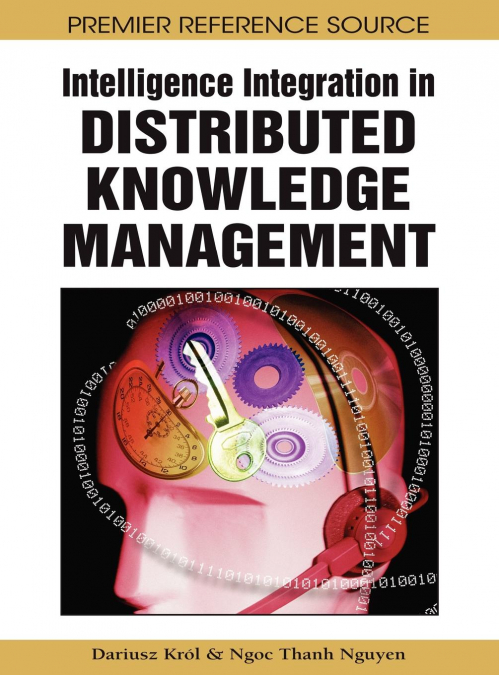
  • Intelligence Integration in Distributed Knowledge Management
    Dariusz Król / Ngoc Thanh Nguyen
    Intelligent methods are used in distributed environments in countless ways, with examples such as propagation, communication, collaboration, and cooperation. With the abundant purposes for intelligence in distributed systems, it is pertinent for researchers, technicians, and students in various areas of computer science to discover the most current and definitive advances in th...
  • Social Media Strategies for Dynamic Library Service Development
    Adeyinka Tella
    As social technologies continue to evolve, it is apparent that librarians and their clientele would benefit through participation in the digital social world. While there are benefits to implementing these technologies, many libraries also face challenges in the integration and usage of social media. Social Media Strategies for Dynamic Library Service Development discusses the ...
  • Innovative Solutions for Building Community in Academic Libraries
    Mary Anne Hansen / Sheila Bonnand
    The library has always been an essential part of the collegiate experience, providing students with access to knowledge and literature. However, as virtual services and online learning become more prominent within collegiate environments, the ways students conduct research and access resources has been altered. Innovative Solutions for Building Community in Academic Libraries e...
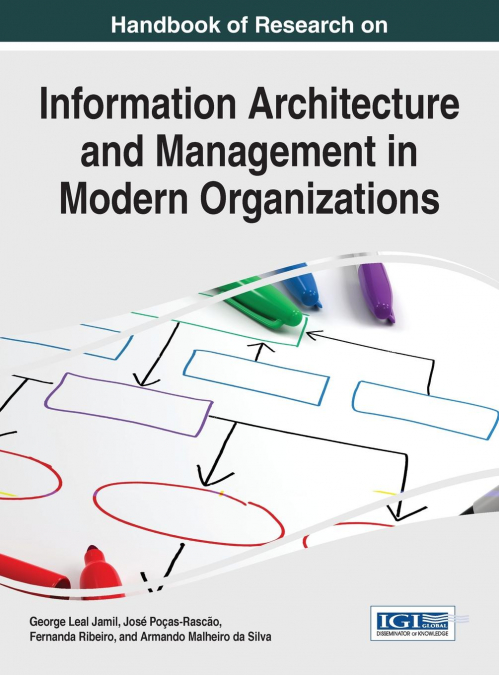
  • Handbook of Research on Information Architecture and Management in Modern Organizations
    Fernanda Ribeiro / George Leal Jamil / Jose Pocas-Rascao
    Information is considered both an essential element of organizational design and an asset to be processed and managed. Further research on and application of topics relating to the architecture, management, and use of information is imperative to organizational success. The Handbook of Research on Information Architecture and Management in Modern Organizations focuses on inform...
  • Information Seeking Behavior and Challenges in Digital Libraries
    Adeyinka Tella
    Digital libraries have been established worldwide to make information more readily available, and this innovation has changed the way information seekers interact with the data they are collecting. Faced with decentralized, heterogeneous sources, these users must be familiarized with high-level search activities in order to sift through large amounts of data. Information Seekin...
  • Space and Organizational Considerations in Academic Library Partnerships and Collaborations
    Brian Doherty
    A vital component of any academic institution, libraries are held to and expected to maintain certain standards. In order to meet these standards and better accommodate the student and faculty body they serve, many libraries are recognizing the benefit of forging relationships with other professional and academic entities. Space and Organizational Considerations in Academic Lib...