 Librería Samer Atenea
 Kálamo Books
 Librería Elías (Asturias)
 Librería Kolima (Madrid)
 Librería Proteo (Málaga)
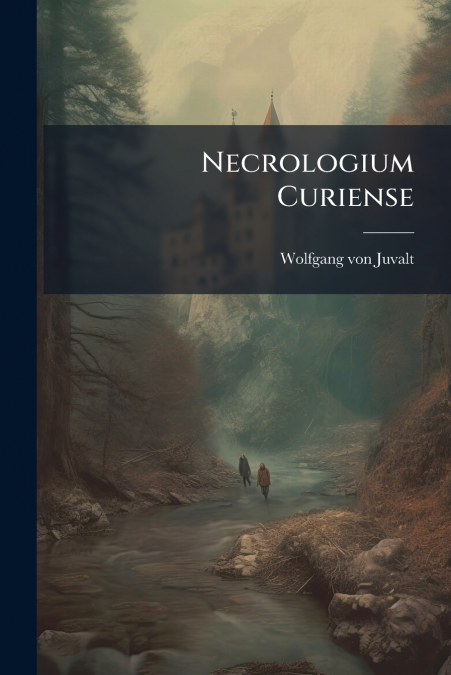
Necrologium Curiense, compiled by Wolfgang von Juvalt, is a historical record documenting obituaries and death notices from the Chur region in Graubünden, Switzerland. Published in 1867, this meticulously researched work provides invaluable insights into the lives, deaths, and social structures of the local population. The book serves as a significant resource for genealogists, historians, and anyone interested in the cultural and demographic history of the region. It offers a glimpse into the past, preserving the memory of individuals and families who shaped the community. Written in German, 'Necrologium Curiense' captures not only names and dates but also often includes details about the deceased’s profession, social standing, and contributions to the community. This adds depth and context to the entries, making it more than just a list of names. This book remains a vital reference for understanding the historical tapestry of Chur and its surrounding areas.This work has been selected by scholars as being culturally important, and is part of the knowledge base of civilization as we know it. This work was reproduced from the original artifact, and remains as true to the original work as possible. Therefore, you will see the original copyright references, library stamps (as most of these works have been housed in our most important libraries around the world), and other notations in the work.This work is in the public domain in the United States of America, and possibly other nations. Within the United States, you may freely copy and distribute this work, as no entity (individual or corporate) has a copyright on the body of the work.As a reproduction of a historical artifact, this work may contain missing or blurred pages, poor pictures, errant marks, etc. Scholars believe, and we concur, that this work is important enough to be preserved, reproduced, and made generally available to the public. We appreciate your support of the preservation process, and thank you for being an important part of keeping this knowledge alive and relevant.