
Inicio > Humanidades > Historia > Historia regional y nacional > Historia de África > Ndeh Ntumazah. a Conversational Auto Biography
Ndeh Ntumazah. a Conversational Auto Biography

Ndeh Ntumazah. a Conversational Auto Biography


82,14 €
IVA incluido
Disponible
Editorial:
African Books Collective
Año de edición:
2011
Materia
Historia de África
ISBN:
9789956579327
82,14 €
IVA incluido
Disponible

Selecciona una librería:

  • Librería Desdémona
  • Librería Samer Atenea
  • Librería Aciertas (Toledo)
  • Kálamo Books
  • Librería Perelló (Valencia)
  • Librería Elías (Asturias)
  • Donde los libros
  • Librería Kolima (Madrid)
  • Librería Proteo (Málaga)

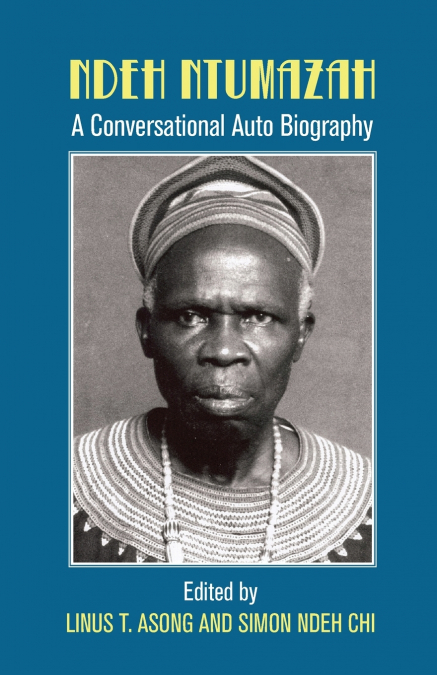
This rich conversational auto-biography tells the story of the political life of Ndeh Ntumazah who was born in Mankon in 1926, spent the best part of his life suffering and sacrificing for the freedom of Cameroon, and died in London on January 21, 2010, at the age of 83, as President of the Union of the Populations of Cameroon (UPC). Ntumazah was a political activist for nearly 60 years. He joined the UPC around 1950 and remained a militant of the party until his demise. When the UPC was banned in French Cameroon in 1955, he was advised by his comrades to create another party in the Southern Cameroons, which would be the UPC in disguise. The party was called ’One Kamerun Movement - OK’, with Ndeh Ntumazah as its President. Following its banning, the UPC started a war of liberation in French Cameoon, so Ntumazah from the safety of Southern Cameroons, liaised with his comrades in French Cameroon to carry out their underground operations. Ndeh Ntumazah left Cameroon to seek political asylum abroad in 1962. He stayed in Ghana, Guinea, Algeria and finally in Britain where he spent most of his time sensitising the world about the plight of Cameroon using various avenues like writing, conferences and deputations. Ntumazah is dead, but he lives on because his life stands out as a point of focus.
Artículos relacionados

  • Assassination of Herbert Chitepo
    Luise White
    On March 18, 1975, Herbert Chitepo, an African nationalist in exile and chairman of the war council that struggled to liberate Zimbabwe from white-ruled Rhodesia, was killed by a car bomb. Since then, there have been four confessions and at least as many accusations about who was responsible. In The Assassination of Herbert Chitepo, Luise White does not set out to resolve quest...
  • Kulubnarti I
    William Y. Adams / William YAdams
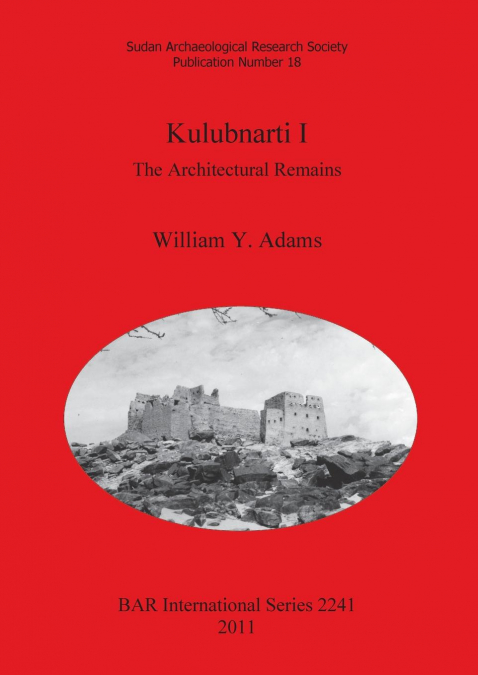
    Sudan Archaeological Research Society. Publication Number 18In 1998 and 1999 volumes II and III of the reports on the University of Kentucky excavations at Kulubnarti were published by the Sudan Archaeological Research Society as numbers 2 and 4 in its monograph series. Kulubnarti III was also available through British Archaeological Reports in its International Series no. 814....
    Disponible

    104,23 €

  • Life in Tanganyika in the Fifties
    Godfrey Mwakikagile
    Life in Tanganyika in the 1950s and a look at race relations between whites and black Africans and others in this East African country are some of the subjects covered in the book. It's full of human interest stories, including the author's. Born and brought up in Tanganyika, the author writes from personal experience. He also got the chance to ask many ex-Tanganyikans a numbe...
  • Africa at the End of the Twentieth Century
    Godfrey Mwakikagile
    The author looks at Africa at the end of the twentieth century and the challenges the continent faces in the twentieth-first in terms of development, governance and conflict resolution. The author also re-examines the concepts of sovereignty and the nation-state and their relevance to Africa and proposes restructuring the modern African state to reflect African realities and ...
  • Civil Wars in Rwanda and Burundi
    Godfrey Mwakikagile
    This is a historical survey and analysis of some of the bloodiest conflicts in modern times. The civil wars in Rwanda and Burundi, twin states in the Great Lakes region of East Africa, are often explained in simplistic terms even by some political pundits as mere tribal wars, rooted in anciet hatred, between the Hutu and the Tutsi. Ethnicity is indeed a factor. But of paramoun...
  • The Creole Elite and the Rise of Angolan Protonationalism
    Jacopo Corrado
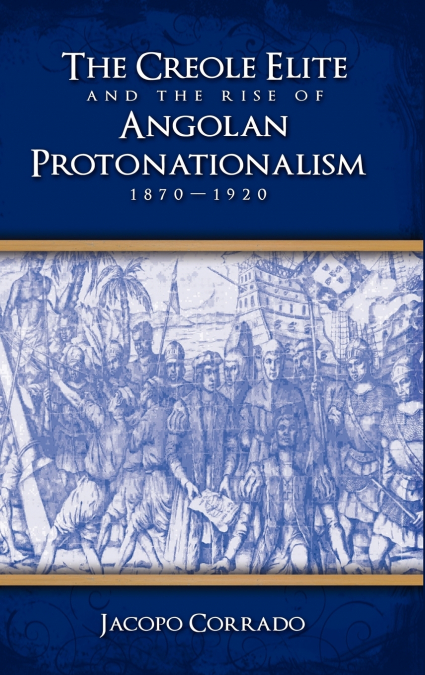
    This book is about Angolan literature and culture. It investigates a segment of Angolan history and literature, with which even Portuguese-speaking readers are generally not familiar. Its main purpose is to define the features and the literary production of the so-called ’creole elite’, as well as its contribution to the early manifestations of dissatisfaction towards colonial ...
    Disponible

    124,04 €