Librería Samer Atenea
 Kálamo Books
 Librería Elías (Asturias)
 Librería Kolima (Madrid)
 Librería Proteo (Málaga)
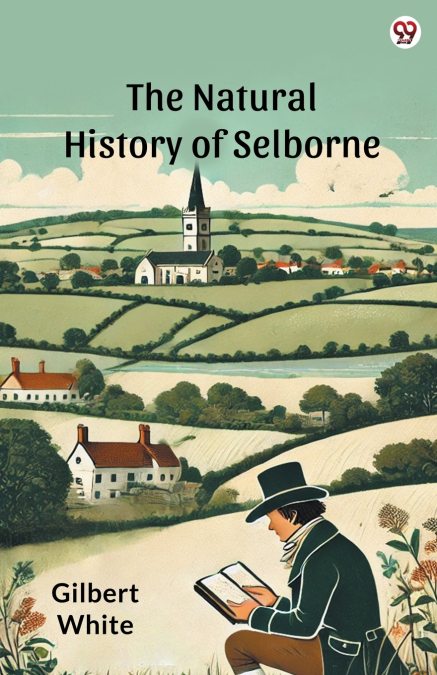
'The Natural History of Selborne' by Gilbert White is a classic of English literature and natural history, celebrated for its detailed observations of the flora and fauna of a small Hampshire village. Written in the form of letters to fellow naturalists Thomas Pennant and Daines Barrington, the book meticulously documents the wildlife, landscape, and seasonal changes of Selborne, offering insights into the life cycles, behaviors, and habitats of numerous species. White’s engaging prose and keen eye transformed the genre of natural history writing. More than just a scientific record, the book reflects an intimate connection to the environment and a deep appreciation for the beauty and complexity of the natural world. This edition preserves the original charm and scientific value that has made 'The Natural History of Selborne' a beloved and enduring work.This work has been selected by scholars as being culturally important, and is part of the knowledge base of civilization as we know it. This work was reproduced from the original artifact, and remains as true to the original work as possible. Therefore, you will see the original copyright references, library stamps (as most of these works have been housed in our most important libraries around the world), and other notations in the work.This work is in the public domain in the United States of America, and possibly other nations. Within the United States, you may freely copy and distribute this work, as no entity (individual or corporate) has a copyright on the body of the work.As a reproduction of a historical artifact, this work may contain missing or blurred pages, poor pictures, errant marks, etc. Scholars believe, and we concur, that this work is important enough to be preserved, reproduced, and made generally available to the public. We appreciate your support of the preservation process, and thank you for being an important part of keeping this knowledge alive and relevant.