 Librería Samer Atenea
 Kálamo Books
 Librería Elías (Asturias)
 Librería Kolima (Madrid)
 Librería Proteo (Málaga)
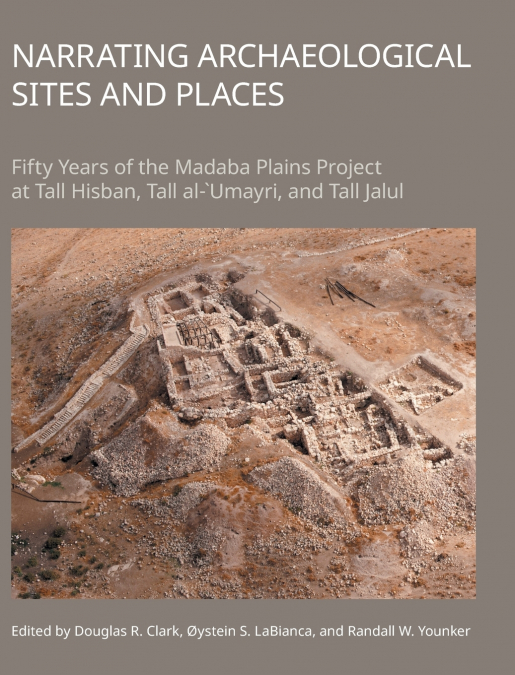
Narrating Archaeological Sites and Places celebrates the 50th anniversary of the Madaba Plains Project and reflects on the decades of archaeological fieldwork experience at Tall Ḥisbān, Tall al-ʿUmayri, and Tall Jalūl. In addition to lessons learned and issues addressed, this volume presents the backstories that represent the heart and soul of the Madaba Plains Project, focusing on those that illuminate the efforts to interpret and narrate these archaeological sites. Founding directors, co-directors, and a selection of the core staff and veterans explain their efforts to understand the place where they have been working by discussing their professional ties, sources of inspiration, personal aspirations and ambitions, regrets and triumphs, accumulative understandings, and remaining questions. They offer reflective accounts of how their long-term interactions with the local communities have not only helped to build bridges of friendship and cooperation but also shaped and informed their understanding of the goals and limitations of their scientific mission and future potential.Ḥisbān, ʿUmayri, and Jalūl, the three archaeological sites currently being excavated by the Madaba Plains Project, are located to the east of the Jordan River in the fertile highlands overlooking the Dead Sea. The region, home to various people groups for millennia, was rich in agricultural capacity. Major settlements occupied ʿUmayri and Jalūl in the Bronze Ages, including a massive defense system at ʿUmayri in 1600 BC that reflects the need to protect people and property. An ʿUmayri temple from 1400 BC signals the importance of religion to the ancients. The Iron Ages (1200-500 BC), well represented at all three sites by architecture and other material cultural remains, saw tribal groups settling and the rise of small kingdoms, known in the Bible as Ammonites and Moabites. Ḥisbān revealed remains from later periods, including temples and reservoirs from Greek and Roman times; mosaic floors and church architecture from the Byzantine period of the sixth and seventh centuries; rich building remains from the Middle Islamic period, especially Mamluk times in the 12th and 13th centuries AD; and structures and artifacts from the Late Islamic periods.