
Names as Metaphors in Shakespeare’s Comedies

Names as Metaphors in Shakespeare’s Comedies

Grant W. Smith / Grant WSmith

76,98 €
IVA incluido
Disponible
Editorial:
Vernon Art and Science
Año de edición:
2021
Materia
Estudios de comunicación
ISBN:
9781648893643
76,98 €
IVA incluido
Disponible

Selecciona una librería:

  • Librería Samer Atenea
  • Librería Aciertas (Toledo)
  • Kálamo Books
  • Librería Perelló (Valencia)
  • Librería Elías (Asturias)
  • Donde los libros
  • Librería Kolima (Madrid)
  • Librería Proteo (Málaga)

’Names as Metaphors in Shakespeare’s Comedies’ presents a comprehensive study of names in Shakespeare’s comedies. Although names are used in daily speech as simple designators, often with minimal regard for semantic or phonological suggestiveness, their coinage is always based on analogy. They are words (i.e., signs) borrowed from previous referents and contexts, and applied to new referents. Thus, in the literary use of language, names are figurative inventions and have measurable thematic significance: they evoke an association of attributes between two or more referents, contextualize each work of literature within its time, and reflect the artistic development of the writer. In the introduction, Smith describes the literary use of names as creative choices that show the indebtedness of authors to previous literature, as well as their imaginative descriptions (etymologically and phonologically) of memorable character types, and their references to cultural phenomena that make their names meaningful to their contemporary readers and audience. This book presents fourteen essays demonstrating the analytical models explained in the introduction. These essays focus on Shakespeare’s comedies as presented in the First Folio. They do not follow the chronological order of their composition; instead, the individual essays give special attention to differences between the plays that suggest Shakespeare’s artistic development, including the varied sources of his borrowings, the differences between his etymological and phonological coinages, the frequency and types of his topical references, and his use of epithets and generics. This book will appeal to Shakespeare students and scholars at all levels, particularly those who are keen on studying his comedies. This study will also be relevant for researchers and graduate students interested in onomastics.He can be reached at gsmith@ewu.edu.
Artículos relacionados

  • Analyzing Language and Humor in Online Communication
    Misunderstandings in technology-mediated communication can be due to a lack of tone and facial expression on the part of the speaker, which provide additional context clues into the meaning of the message beyond textual representation. As technology becomes more of a ubiquitous element in our interactions with one another, further study into the ways in which language and humor...
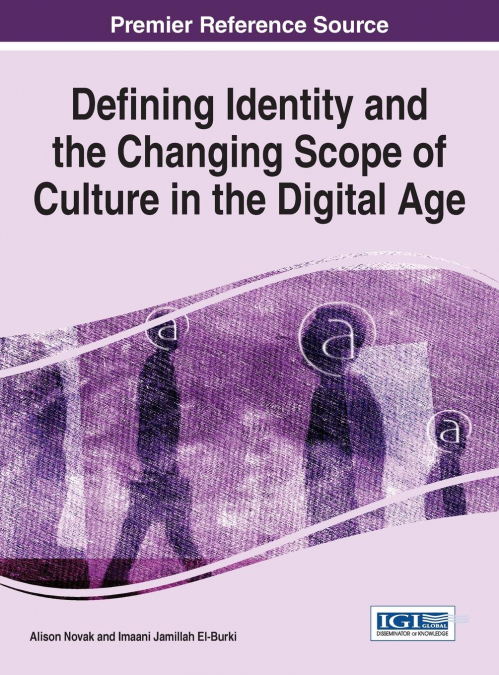
  • Defining Identity and the Changing Scope of Culture in the Digital Age
    Since the popularization of Internet technologies in the mid-1990s, human identity and collective culture has been dramatically shaped by our continued use of digital communication platforms and engagement with the digital world. Despite a plethora of scholarship on digital technology, questions remain regarding how these technologies impact personal identity and perceptions of...
  • Cyber Harassment and Policy Reform in the Digital Age
    Mary Schmeida / Ramona S. McNeal / Ramona SMcNeal / Susan M. Kunkle / Susan MKunkle
    ...
  • Sacrament Talk Mastery
    Michael D Callaghan
    Master Your Fears: Unleash Your Potential in Sacrament Talks Even When Nervous or ReluctantAre you a member of The Church of Jesus Christ of Latter-day Saints looking to improve your public speaking skills, specifically for giving sacrament talks, even when you’re feeling anxious? Sacrament Talk Mastery: How to Give a Sacrament Talk When You Really Don’t Want To is the perfect ...
    Disponible

    13,22 €

  • Works like a Charm
    Robert O. McDonald
    Breaks the spell of economic thought by interrogating the widespread language and logic of 'incentives' in public life from a Lacanian perspective.Works like a Charm addresses a simple question: Why are 'incentives' everywhere now? From inducements to work harder at our jobs to tax rebates for corporations, 'incentive' names a general theory of motivation-according to economist...
    Disponible

    49,70 €

  • Confession and Resistance
    Katherine C. Little
    In this study of Wycliffism (or Lollardy), Little explores the relation between confession and the language of medieval selfhood. She then reevaluates the impact of Wycliffite ideas in selections of medieval literature that include confession as a theme. ...