

 Librería Samer Atenea
 Kálamo Books
 Librería Elías (Asturias)
 Librería Kolima (Madrid)
 Librería Proteo (Málaga)
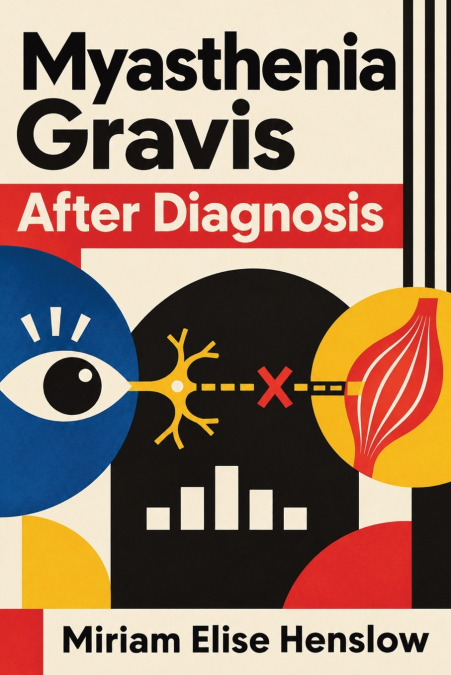
After a myasthenia gravis diagnosis, the next questions are often about changes that do not fit neatly into one appointment. Some days are more predictable than others. Strength can vary, treatment conversations introduce unfamiliar choices, and everyday obligations do not necessarily adjust when symptoms do. You may know the name of your condition yet still want a clearer explanation of how ongoing care works. Myasthenia Gravis After Diagnosis is a source-referenced handbook for adults with confirmed ocular or generalized MG. It focuses on the decisions and conversations that follow diagnosis, rather than repeating a brief symptom glossary. Its Care Conversation Map brings together four questions: what has changed, what clinicians are assessing, what treatment options mean, and when the care team needs to know. Inside the book: 14 focused chapters covering fluctuating weakness, treatment families, clinical follow-up, daily function, and long-term care. The Care Conversation Map: an original explanation of what changes, what is assessed, what options mean, and when to seek help. Treatment distinctions: symptom-directed medicines, immune approaches, rapid hospital treatments, targeted options, and thymectomy. Everyday-life examples: work, family conversations, travel, fatigue, and changes in vision or speech. Safety-focused discussion: swallowing and breathing concerns, other prescribers, procedures, and individualized care. Glossary and references for unfamiliar terms and further reading from public institutional and research sources. The chapters explain the difference between fatigable weakness and other reasons for tiredness, why treatment benefit and adverse effects may be assessed together, and how specialists consider changing goals over time. The practical examples show what fluctuating function can mean for work, relationships, appointments, and major life events without assuming that everyone has the same experience. Clinical terms are introduced in ordinary language, and the references identify the public sources behind the explanations. Fictional examples illustrate questions rather than predict outcomes. The book does not ask you to follow a self-directed dosing plan, home respiratory test, tracker, or medical protocol. Who it’s for: Adults who already have a confirmed myasthenia gravis diagnosis and want to understand follow-up care. People discussing changing symptoms, treatment effects, or daily-life limitations with their clinicians. Partners and family supporters seeking a more accurate understanding of variable function. Clear information cannot decide treatment for you, but it can help you frame a more specific question at your next clinical visit. This book provides general education only. It is not medical advice, a diagnosis, or a substitute for professional assessment, urgent care, or individualized instructions from your clinical team.





