
Must Politics Be War?

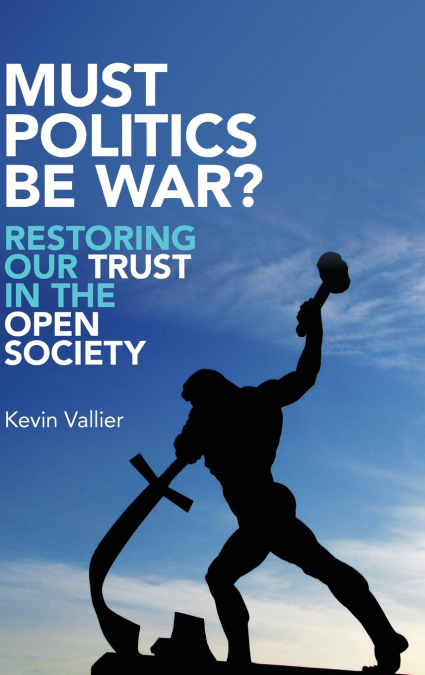
Must Politics Be War?

Kevin Vallier

173,87 €
IVA incluido
Consulta disponibilidad
Editorial:
Oxford University Press
Año de edición:
2019
Materia
Ética y filosofía moral
ISBN:
9780190632830

Selecciona una librería:

  • Librería Samer Atenea
  • Librería Aciertas (Toledo)
  • Kálamo Books
  • Librería Perelló (Valencia)
  • Librería Elías (Asturias)
  • Donde los libros
  • Librería Kolima (Madrid)
  • Librería Proteo (Málaga)

Americans today are far less likely to trust their institutions, and each other, than in decades past. This collapse in social and political trust arguably fuels our increasingly ferocious ideological conflicts and hardened partisanship. Many believe that our previously high levels of trust and bipartisanship were a pleasant anomaly and that we now live under the historic norm. Seen this way, politics itself is nothing more than a power struggle between groups with irreconcilable aims: contemporary American politics is war because political life as such is war. Must Politics Be War? argues that our shared liberal democratic institutions have the unique capacity to sustain social and political trust between diverse persons. In succinct, convincing prose, Kevin Vallier argues that constitutional rights and democratic governance prevent any one ideology or faith from dominating all others, thereby protecting each person’s freedom to live according to her values and principles. Illiberal arrangements, where one group’s ideology or faith reigns, turn those who disagree into unwilling subversives, persons with little reason to trust their regime or to be trustworthy in obeying it. Liberal arrangements, in contrast, incentivize trust and trustworthiness because they allow people with diverse and divergent ends to act with conviction. Those with opposing viewpoints become trustworthy because they can obey the rules of their society without acting against their ideals. Therefore, as Vallier illuminates, a liberal society is one at moral peace with a politics that is not war.
Artículos relacionados

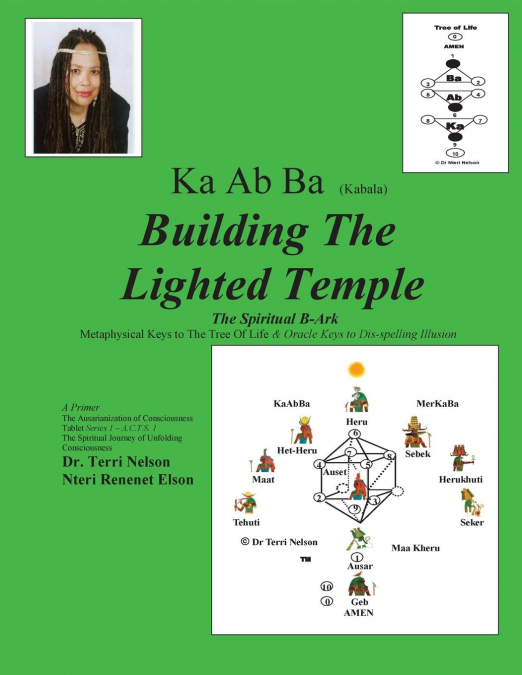
  • Ka Ab Ba Building The Lighted Temple
    Dr Terri R. Nelson / Dr Terri RNelson
    The book KaAbBa Building The Lighted Temple/Metaphysical Keys to the Tree of Life draws a circle that is inclusive of the Afrikan origin of the Ancient Kemetic/Egyptian wisdom. It reveals the undeniable root and link of Ancient Africa to all the religious systems that would develop worldwide. This book is explosive in its power to convey the meaning of KaAbBa, the Medu Neter  (...
    Disponible

    37,41 €

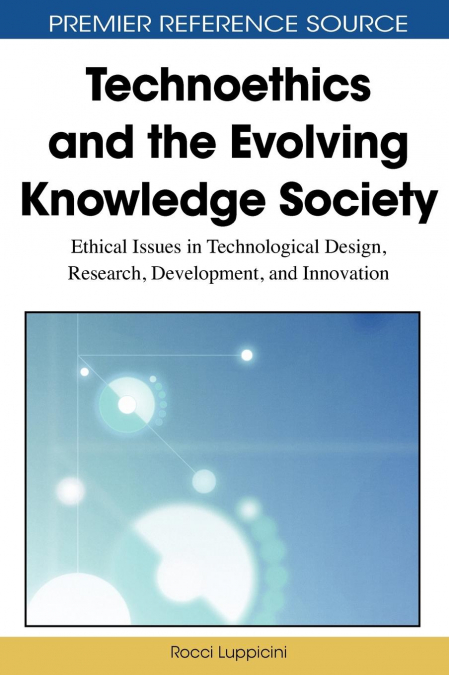
  • Technoethics and the Evolving Knowledge Society
    Rocci Luppicini
    Recently, there has been a major push to rediscover the ethical dimension of technology across the sciences, social sciences, and humanities. Technoethics and the Evolving Knowledge Society: Ethical Issues in Technological Design, Research, Development, and Innovation examines human processes and practices connected to technology embedded within social, political, and moral sph...
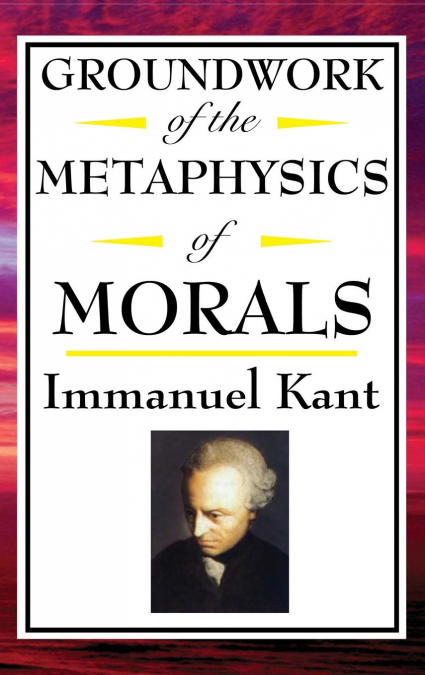
  • Kant
    Immanuel Kant
    Kant’s Groundwork of the Metaphysics of Morals is one of the most important works in modern moral philosophy. It belongs beside Plato, Aristotle, Machiavelli, and Hobbes. Here Kant sets out to articulate and defend the Categorical Imperative - the fundamental principle that underlies moral reasoning - and to lay the foundation for a comprehensive account of justice and human vi...
  • On the Duty of Civil Disobedience
    HENRY DAVID THOREAU
    Civil Disobedience argues that citizens should not permit their governments to overrule their consciences, and that they have a duty to avoid allowing their acquiescence to enable the government to make them the agents of injustice. Thoreau was motivated in part by his disgust with slavery and the Mexican-American War, but the sentiments he expresses here are just as pertinent ...
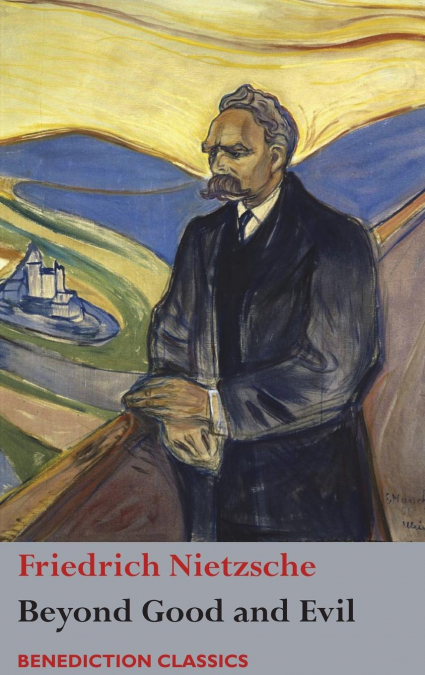
  • Beyond Good and Evil
    Friedrich Nietzsche
    Nietzsche, though primarily a philosopher, wrote widely on art, philology, history, religion, tragedy, culture, and science.  In 1886, at the height of his powers, he published Beyond Good and Evil.  Here he examines much of the best of human thought--dogmatic philosophy, Judeo-Christian morality, science and democracy – and finds it lacking.  Rejecting “slave-morality” he pres...
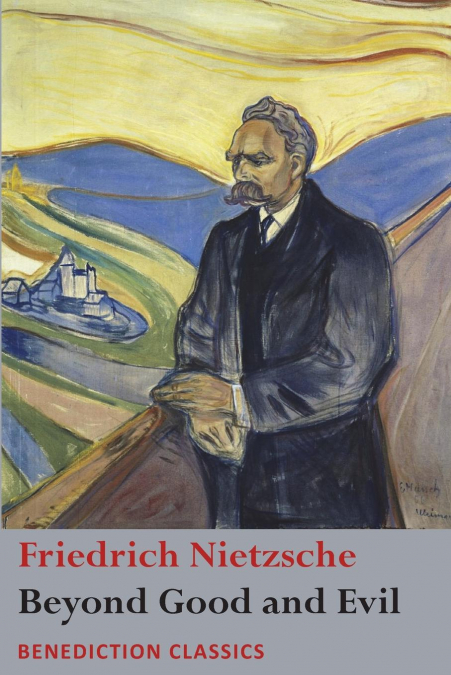
  • Beyond Good and Evil
    Friedrich Nietzsche
    Nietzsche, though primarily a philosopher, wrote widely on art, philology, history, religion, tragedy, culture, and science.  In 1886, at the height of his powers, he published Beyond Good and Evil.  Here he examines much of the best of human thought--dogmatic philosophy, Judeo-Christian morality, science and democracy – and finds it lacking.  Rejecting “slave-morality” he pres...
    Disponible

    9,99 €

Otros libros del autor

  • Trust in a Polarized Age
    Kevin Vallier
    Americans today don’t trust each other and their institutions as much as they once did. The collapse of social and political trust has arguably fueled our increasingly ferocious ideological conflicts and hardened partisanship. But is today’s decline in trust inevitable or avoidable? Are we caught in a downward spiral that must end in institutional decay or even civil war, or ca...
  • Liberal Politics and Public Faith
    Kevin Vallier
    In the eyes of many, liberalism requires the aggressive secularization of social institutions, especially public media and public schools. The unfortunate result is that many Americans have become alienated from the liberal tradition because they believe it threatens their most sacred forms of life. This was not always the case: in American history, the relation between liberal...
    Disponible

    85,19 €

  • Liberal Politics and Public Faith
    Kevin Vallier
    In the eyes of many, liberalism requires the aggressive secularization of social institutions, especially public media and public schools. The unfortunate result is that many Americans have become alienated from the liberal tradition because they believe it threatens their most sacred forms of life. This was not always the case: in American history, the relation between liberal...