Motion Tracking und Compositing

Motion Tracking und Compositing

Philipp Pflüger

40,36 €
IVA incluido
Disponible
Editorial:
GRIN Publishing
Año de edición:
2008
Materia
Estudios de comunicación
ISBN:
9783640177783
40,36 €
IVA incluido
Disponible

Selecciona una librería:

  • Librería Samer Atenea
  • Librería Aciertas (Toledo)
  • Kálamo Books
  • Librería Perelló (Valencia)
  • Librería Elías (Asturias)
  • Donde los libros
  • Librería Kolima (Madrid)
  • Librería Proteo (Málaga)

Bachelorarbeit aus dem Jahr 2008 im Fachbereich Medien / Kommunikation - Film und Fernsehen, Note: 1,0, Fachhochschule Kiel (Multimedia Production), 21 Quellen im Literaturverzeichnis, Sprache: Deutsch, Abstract: Jeder kennt Filme, in denen Doppelgänger oder Riesenbabys zu sehen sind. Diese Motive existieren jedoch nur im Film bzw. in unserer Interpretation der einzelnen Bilder. So können wenige Darsteller vervielfacht werden, um als große Armee interpretiert zu werden. Dazu werden Realfilmaufnahmen miteinander kombiniert, dass die Wirkung entsteht, als wären sie von einer realen Kamera als Gesamtheit aufgezeichnet wurden. Komplikationen ergeben sich allerdings, wenn sich die Kamera bewegt. Ziel dieser Arbeit ist, herauszufinden, wie weit Software (Motion Tracking) dieses Problem lösen kann. Für die vorliegende Arbeit konnte ich keine Literatur ausfindig machen, die sich konkret mit diesem Thema befasst. Ebenso existiert aus meiner Sicht bisher nur ein alternativloses Hardware- System (Motion Control). Diese Arbeit soll beweisen, dass ein softwarebasiertes System bei bestimmten Anwendungsbereichen funktioniert. Gleichzeitig werden jedoch die Grenzen aufgezeigt. Ich bin davon überzeugt, dass sich hier ein lohnendes Thema für die zukünftige Forschung aufmacht. Mit dieser Arbeit möchte ich einen Weg vorstellen, Filme wirtschaftlicher herzustellen bzw. für den semi-professionellen Einsatz zu ermöglichen.
Artículos relacionados

  • Analyzing Language and Humor in Online Communication
    Misunderstandings in technology-mediated communication can be due to a lack of tone and facial expression on the part of the speaker, which provide additional context clues into the meaning of the message beyond textual representation. As technology becomes more of a ubiquitous element in our interactions with one another, further study into the ways in which language and humor...
  • Defining Identity and the Changing Scope of Culture in the Digital Age
    Since the popularization of Internet technologies in the mid-1990s, human identity and collective culture has been dramatically shaped by our continued use of digital communication platforms and engagement with the digital world. Despite a plethora of scholarship on digital technology, questions remain regarding how these technologies impact personal identity and perceptions of...
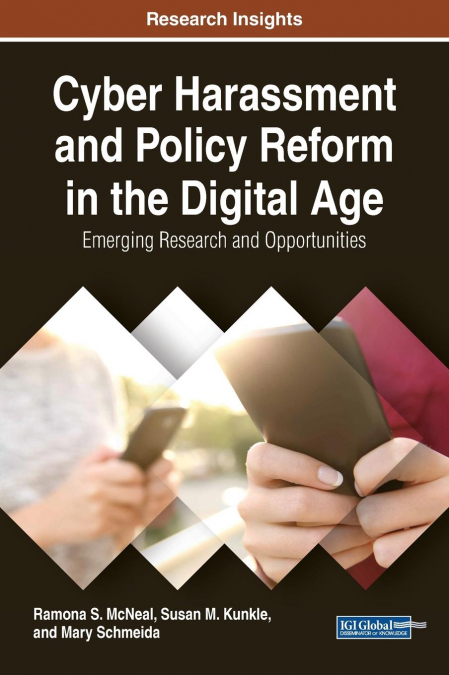
  • Cyber Harassment and Policy Reform in the Digital Age
    Mary Schmeida / Ramona S. McNeal / Ramona SMcNeal / Susan M. Kunkle / Susan MKunkle
    ...
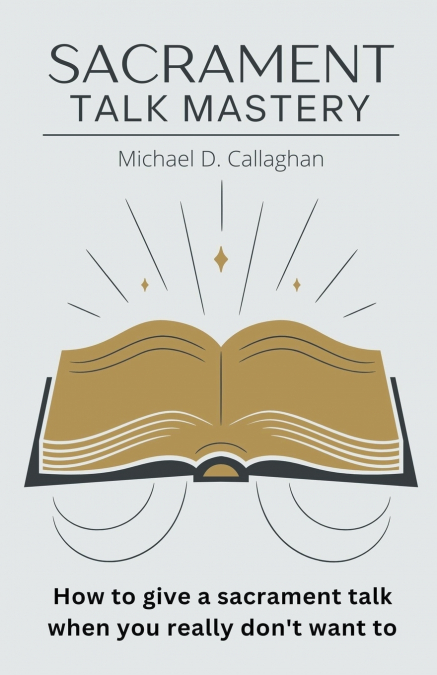
  • Sacrament Talk Mastery
    Michael D Callaghan
    Master Your Fears: Unleash Your Potential in Sacrament Talks Even When Nervous or ReluctantAre you a member of The Church of Jesus Christ of Latter-day Saints looking to improve your public speaking skills, specifically for giving sacrament talks, even when you’re feeling anxious? Sacrament Talk Mastery: How to Give a Sacrament Talk When You Really Don’t Want To is the perfect ...
    Disponible

    13,22 €

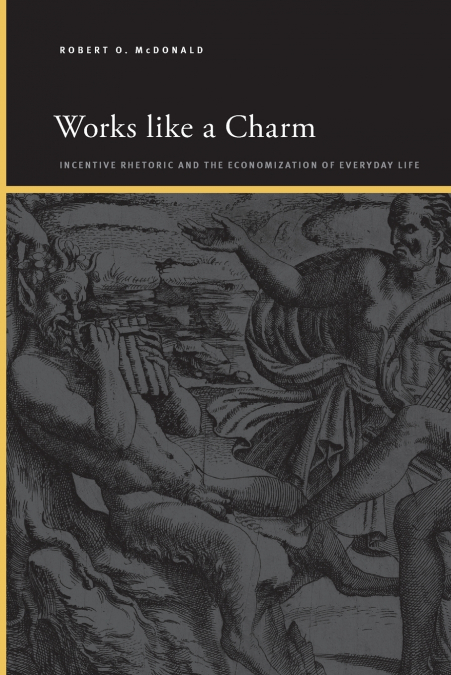
  • Works like a Charm
    Robert O. McDonald
    Breaks the spell of economic thought by interrogating the widespread language and logic of 'incentives' in public life from a Lacanian perspective.Works like a Charm addresses a simple question: Why are 'incentives' everywhere now? From inducements to work harder at our jobs to tax rebates for corporations, 'incentive' names a general theory of motivation-according to economist...
    Disponible

    49,70 €

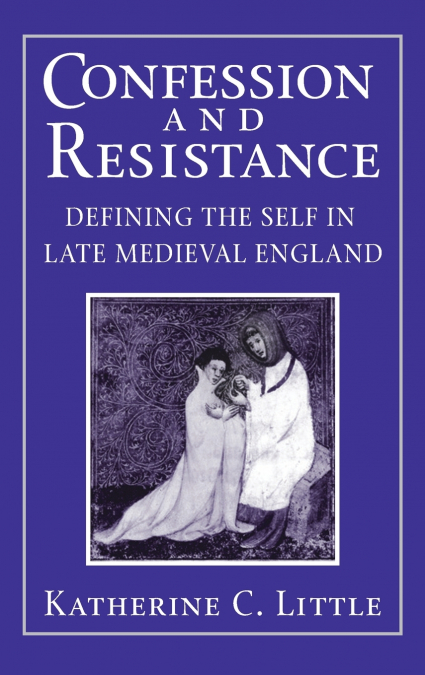
  • Confession and Resistance
    Katherine C. Little
    In this study of Wycliffism (or Lollardy), Little explores the relation between confession and the language of medieval selfhood. She then reevaluates the impact of Wycliffite ideas in selections of medieval literature that include confession as a theme. ...