Minimal Ethical Dimensions

Minimal Ethical Dimensions

Jimmy Strobl

15,29 €
IVA incluido
Disponible
Editorial:
Jimmy Strobl
Año de edición:
2026
Materia
Ética y filosofía moral
ISBN:
9789199163703
15,29 €
IVA incluido
Disponible

Selecciona una librería:

  • Librería Samer Atenea

  • Kálamo Books
  • Librería Elías (Asturias)
  • Librería Kolima (Madrid)
  • Librería Proteo (Málaga)

What if every ethical framework is missing the same thing? Eight dimensions. Nine cases. One framework. Across every inhabited continent, ethical traditions have tracked the ways human beings and their institutions can be damaged. Buddhist philosophy mapped the structure of suffering. Confucian ethics specified the obligations that hold relationships together. Ubuntu grounded personhood in community. The Māori concept of whakapapa extended moral concern to land, ancestors, and more-than-human kin. Each tradition saw something the others missed. Modern Western ethics compressed this inheritance into single axes: maximise welfare, respect autonomy, cultivate virtue. Each axis illuminates part of the moral landscape. None illuminates all of it. The compression is the problem. This book identifies eight dimensions along which harm occurs and tests each against a diagnostic standard that selects for observability, independence, and cross-cultural convergence. It develops a structured method for reasoning within the resulting multi-dimensional space, and applies that method to nine cases whose trajectories reveal what single-axis analysis misses: the rejection at Vienna, Henrietta Lacks, the Pentagon Papers, the Aral Sea, the Amazon, smallpox eradication, animal agriculture, social media, and artificial intelligence. The framework does not resolve metaethics. It does not produce an algorithm. What it offers is structure within which moral judgment can proceed on the full problem. Its central finding: every decision is a harm profile, not a harm score.
Artículos relacionados

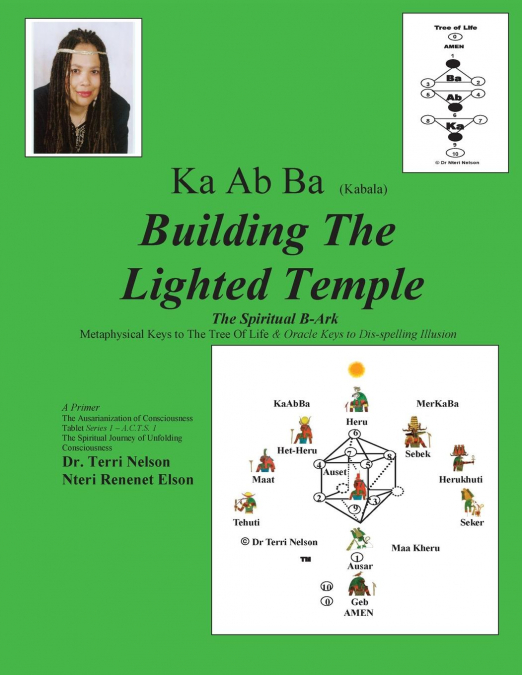
  • Ka Ab Ba Building The Lighted Temple
    Dr Terri R. Nelson / Dr Terri RNelson
    The book KaAbBa Building The Lighted Temple/Metaphysical Keys to the Tree of Life draws a circle that is inclusive of the Afrikan origin of the Ancient Kemetic/Egyptian wisdom. It reveals the undeniable root and link of Ancient Africa to all the religious systems that would develop worldwide. This book is explosive in its power to convey the meaning of KaAbBa, the Medu Neter  (...
    Disponible

    37,41 €

  • Technoethics and the Evolving Knowledge Society
    Rocci Luppicini
    Recently, there has been a major push to rediscover the ethical dimension of technology across the sciences, social sciences, and humanities. Technoethics and the Evolving Knowledge Society: Ethical Issues in Technological Design, Research, Development, and Innovation examines human processes and practices connected to technology embedded within social, political, and moral sph...
  • Kant
    Immanuel Kant
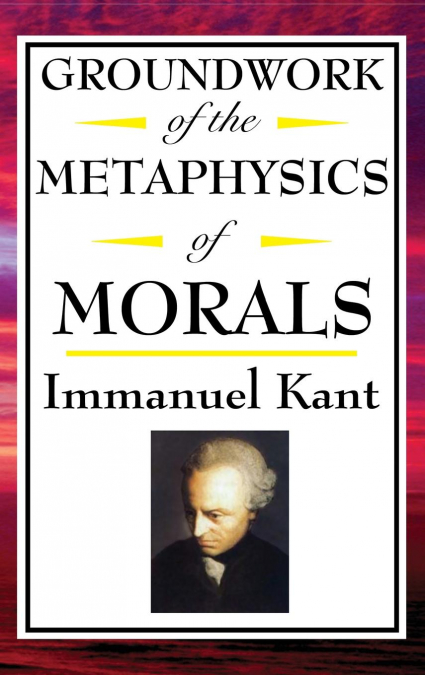
    Kant’s Groundwork of the Metaphysics of Morals is one of the most important works in modern moral philosophy. It belongs beside Plato, Aristotle, Machiavelli, and Hobbes. Here Kant sets out to articulate and defend the Categorical Imperative - the fundamental principle that underlies moral reasoning - and to lay the foundation for a comprehensive account of justice and human vi...
  • On the Duty of Civil Disobedience
    HENRY DAVID THOREAU
    Civil Disobedience argues that citizens should not permit their governments to overrule their consciences, and that they have a duty to avoid allowing their acquiescence to enable the government to make them the agents of injustice. Thoreau was motivated in part by his disgust with slavery and the Mexican-American War, but the sentiments he expresses here are just as pertinent ...
  • Beyond Good and Evil
    Friedrich Nietzsche
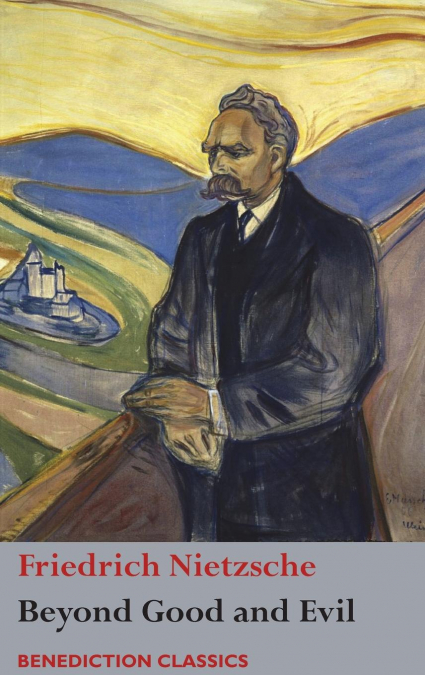
    Nietzsche, though primarily a philosopher, wrote widely on art, philology, history, religion, tragedy, culture, and science.  In 1886, at the height of his powers, he published Beyond Good and Evil.  Here he examines much of the best of human thought--dogmatic philosophy, Judeo-Christian morality, science and democracy – and finds it lacking.  Rejecting “slave-morality” he pres...
  • Beyond Good and Evil
    Friedrich Nietzsche
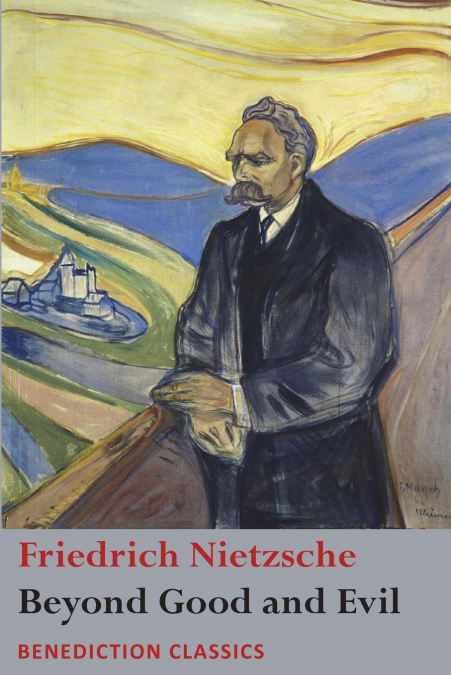
    Nietzsche, though primarily a philosopher, wrote widely on art, philology, history, religion, tragedy, culture, and science.  In 1886, at the height of his powers, he published Beyond Good and Evil.  Here he examines much of the best of human thought--dogmatic philosophy, Judeo-Christian morality, science and democracy – and finds it lacking.  Rejecting “slave-morality” he pres...
    Disponible

    9,99 €

Otros libros del autor

  • The Varieties of Human Excellence
    Jimmy Strobl
    What if intelligence was never one thing?Fourteen civilisations. Twelve dimensions. One argument.The Greek tradition distinguished five intellectual virtues and placed practical wisdom at their summit. The Confucian tradition built a thirteen-century examination system around moral character. Indian logicians developed formal logic using a fundamentally different architecture f...
    Disponible

    15,28 €