Inicio > Medicina > Medicina preclínica: ciencias básicas > Methods of Protein Microcharacterization
Methods of Protein Microcharacterization

Methods of Protein Microcharacterization

John E. Shively

133,02 €
IVA incluido
Disponible
Editorial:
Springer Nature B.V.
Año de edición:
2013
Materia
Medicina preclínica: ciencias básicas
ISBN:
9781489941329
133,02 €
IVA incluido
Disponible

Selecciona una librería:

  • Librería Samer Atenea
  • Librería Aciertas (Toledo)
  • Kálamo Books
  • Librería Perelló (Valencia)
  • Librería Elías (Asturias)
  • Donde los libros
  • Librería Kolima (Madrid)
  • Librería Proteo (Málaga)

Milestones in the techniques and methodology of polypeptide structure determination include the determination of the sequence of insulin by Sanger in 1951 (I) and the introduction of the repeti­ tive degradation of proteins with phenylisothiocyanate by Edman in 1959 (2). The automation of Edman chemistry (3) played a major role in the determination of polypeptide structures. Important modifications of Edman chemistry include the solid-phase approach by Laursen in 1971 (4) and the use of modified Edman reagents such as 4-N,N-dimethylaminoazobenzene-4’-isothiocy- ate (DABITC) for manual sequencing by Chang et al. (5) in 1976. A second major breakthrough in the analysis of polypeptides was automated amino acid analysis described by Spackman et al. in 1958 (6). However, during the period from 1975 to 1980, it became increasingly clear that the amount of material required for struc­ tural analysis was more than could be easily isolated for the vast majority of proteins. The field was criticized for its lack of sensitive techniques for the analysis of growth factors, immune modulators, membrane receptors, and peptide hormones. In addition, very little had been done to modernize and improve the original instruments introduced in the mid-1960s. The first indications of improved instrumentation for Edman chemistry came from Wittmann-Liebold’s laboratory (7), followed by the introduction of a 'micro' sequencer by Hunkapiller and Hood in 1978 (8). The movement toward improved instrumentation culminated in the 'gas'-phase sequencer of Hewick et al. (9) in 1981.

Artículos relacionados

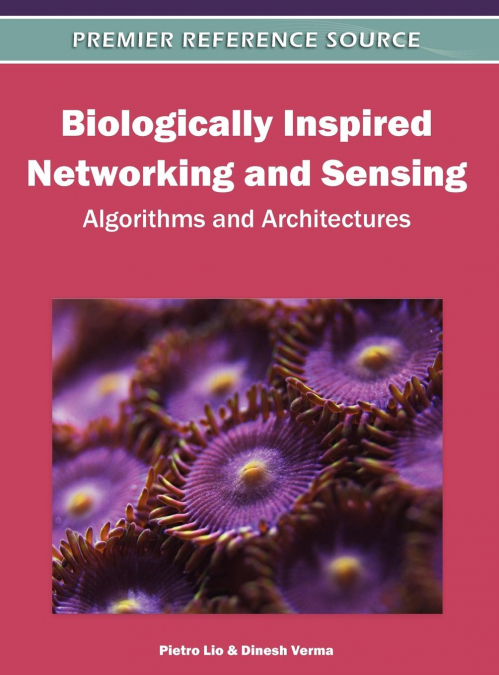
  • Biologically Inspired Networking and Sensing
    Despite their widespread impact, computer networks that provide the foundation for the World Wide Web and Internet have many limitations. These networks are vulnerable to security threats, break easily, and have a limited ability to respond to changing conditions. Recent research on overcoming these limitations has used biological systems for inspiration, resulting in the devel...
  • Systemic Approaches in Bioinformatics and Computational Systems Biology
    The convergence of biology and computer science was initially motivated by the need to organize and process a growing number of biological observations resulting from rapid advances in experimental techniques. Today, however, close collaboration between biologists, biochemists, medical researchers, and computer scientists has also generated remarkable benefits for the field of ...
  • Analytical Chemistry Essentials
    SREEKUMAR V T / V T SREEKUMAR
    Embark on a transformative journey into the captivating world of analytical chemistry with Sreekumar V T’s comprehensive guide, 'Analytical Chemistry Essentials: A Gateway to High School Mastery.' This meticulously crafted book serves as a roadmap for high school students seeking a profound understanding of analytical chemistry, bridging fundamental concepts to advanced applica...
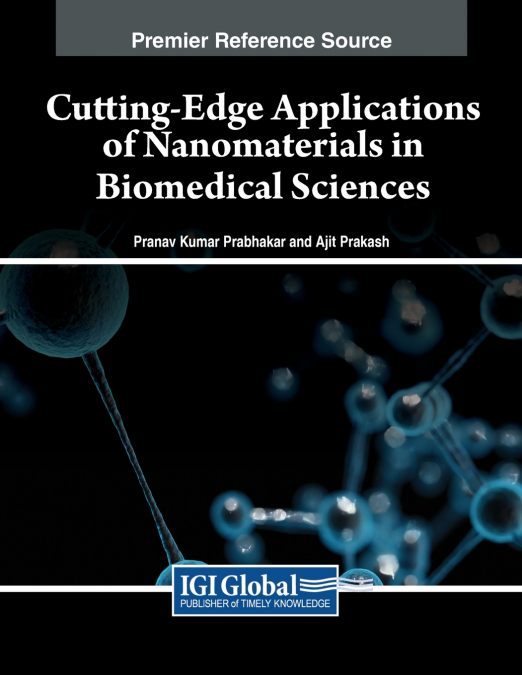
  • Cutting-Edge Applications of Nanomaterials in Biomedical Sciences
    Cutting-Edge Applications of Nanomaterials in Biomedical Sciences is a comprehensive exploration of the revolutionary impact of nanotechnology on the field of medicine. This book delves into the remarkable potential of nanomaterials in advancing medical diagnostics and therapeutics, particularly in drug delivery. It serves as an indispensable guide, presenting the latest develo...
    Disponible

    304,49 €

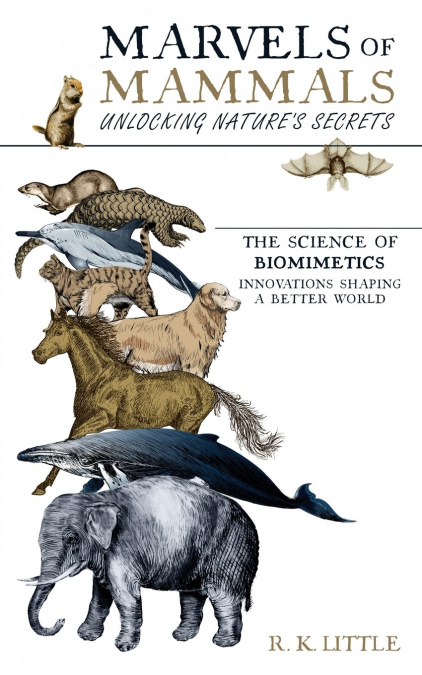
  • Marvels of Mammals
    R K Little
    Animals possess many remarkable and unique characteristics and abilities. Their agility and capabilities both educate and inspire us.This fascination has given rise to a whole field of study known as biomimetics.Inside Marvels of Mammals, you will discover how humans have been inspired to mimic the animal kingdom in the fields of robotics, aviation, nanotechnology, engineering,...
    Disponible

    16,66 €

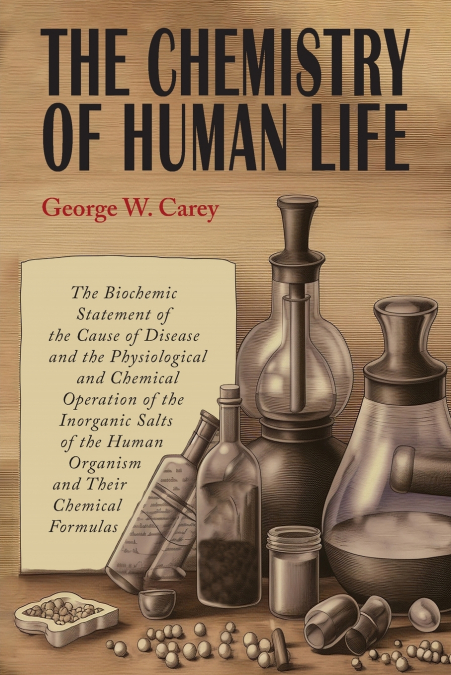
  • The Chemistry of Human Life
    George W. Carey
    2024 Reprint of the 1919 Edition.  Full facsimile of the original edition and not reproduced with Optical Recognition software.  Carey (1845 - 1924) was an American homeopath and occultist known for a number of 1910s Chemistry of Life publications, a subject which he referred to as biochemistry, and particularly for his 1919 publication, The Chemistry of Human Life. His work wa...
    Disponible

    6,95 €

Otros libros del autor

  • Methods of Protein Microcharacterization
    John E. Shively
    Milestones in the techniques and methodology of polypeptide structure determination include the determination of the sequence of insulin by Sanger in 1951 (I) and the introduction of the repeti­ tive degradation of proteins with phenylisothiocyanate by Edman in 1959 (2). The automation of Edman chemistry (3) played a major role in the determination of...