
Inicio > Humanidades > Filosofía > Ética y filosofía moral > Merleau-Ponty and the Face of the World
Merleau-Ponty and the Face of the World

Merleau-Ponty and the Face of the World

Glen A. Mazis

50,55 €
IVA incluido
Disponible
Editorial:
State University of New York Press
Año de edición:
2017
Materia
Ética y filosofía moral
ISBN:
9781438462301
50,55 €
IVA incluido
Disponible

Selecciona una librería:

  • Librería Samer Atenea
  • Kálamo Books
  • Librería Elías (Asturias)
  • Librería Kolima (Madrid)
  • Librería Proteo (Málaga)

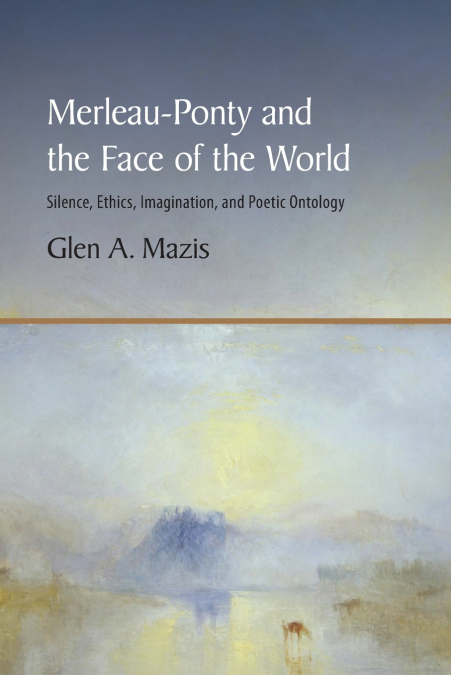
Assesses Merleau-Ponty’s contribution to ethics as calling for a poetic interplay between perception and imagination, and between silence and solidarity, that reveals our place in the world, and our obligations to ourselves and others.Before his death in 1961, Merleau-Ponty worried about what he saw as humanity’s increasingly self-enclosed and manipulative way of experiencing self, others, and the world-the consequences of which remain apparent in our destructive inability to connect with others within and across cultures. In Merleau-Ponty and the Face of the World, Glen A. Mazis provides an overall consideration of Merleau-Ponty’s philosophy that brings out what he sees as a corrective prescription for ethical reorientation that is fundamental to Merleau-Ponty’s thought. Mazis begins by analyzing the key role that silence plays for Merleau-Ponty as a positive, powerful presence rather than a lack or emptiness, and then builds on this to explore the ethical significance of the face-to-face encounter in his thought as one of solidarity rather than obligation. In the last part of the book, Mazis traces the development of what he calls 'physiognomic imagination' in Merleau-Ponty’s work. This understanding of imagination is not fancy or make-believe, but rather brings out the depths of perceptual meaning and leads to an appreciation of poetic language as the key to revitalizing both ethics and ontology. Drawing on Merleau-Ponty’s published works, lecture notes, unpublished writings, and the work of many phenomenologists and Merleau-Ponty scholars, Mazis also offers incisive readings of Merleau-Ponty’s work as it relates to that of Antoine de Saint-Exupéry, Gaston Bachelard, and Emmanuel Levinas. 6

Artículos relacionados

  • Ka Ab Ba Building The Lighted Temple
    Dr Terri R. Nelson / Dr Terri RNelson
    The book KaAbBa Building The Lighted Temple/Metaphysical Keys to the Tree of Life draws a circle that is inclusive of the Afrikan origin of the Ancient Kemetic/Egyptian wisdom. It reveals the undeniable root and link of Ancient Africa to all the religious systems that would develop worldwide. This book is explosive in its power to convey the meaning of KaAbBa, the Medu Neter  (...
    Disponible

    37,41 €

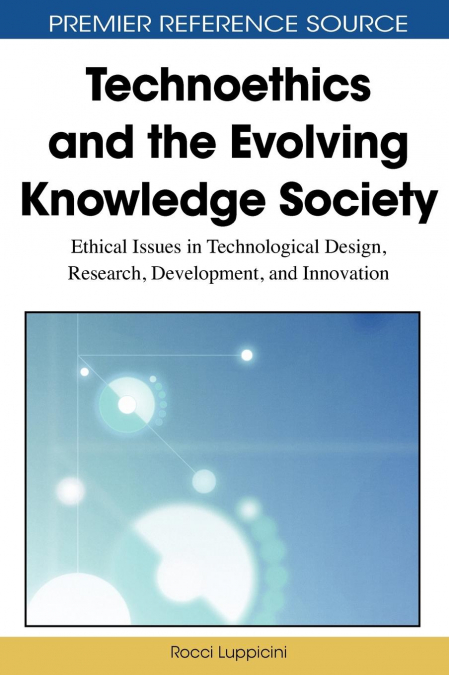
  • Technoethics and the Evolving Knowledge Society
    Rocci Luppicini
    Recently, there has been a major push to rediscover the ethical dimension of technology across the sciences, social sciences, and humanities. Technoethics and the Evolving Knowledge Society: Ethical Issues in Technological Design, Research, Development, and Innovation examines human processes and practices connected to technology embedded within social, political, and moral sph...
  • Kant
    Immanuel Kant
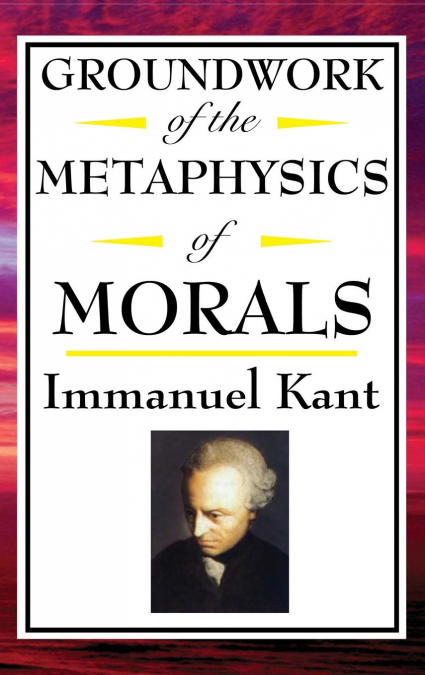
    Kant’s Groundwork of the Metaphysics of Morals is one of the most important works in modern moral philosophy. It belongs beside Plato, Aristotle, Machiavelli, and Hobbes. Here Kant sets out to articulate and defend the Categorical Imperative - the fundamental principle that underlies moral reasoning - and to lay the foundation for a comprehensive account of justice and human vi...
  • On the Duty of Civil Disobedience
    HENRY DAVID THOREAU
    Civil Disobedience argues that citizens should not permit their governments to overrule their consciences, and that they have a duty to avoid allowing their acquiescence to enable the government to make them the agents of injustice. Thoreau was motivated in part by his disgust with slavery and the Mexican-American War, but the sentiments he expresses here are just as pertinent ...
  • Beyond Good and Evil
    Friedrich Nietzsche
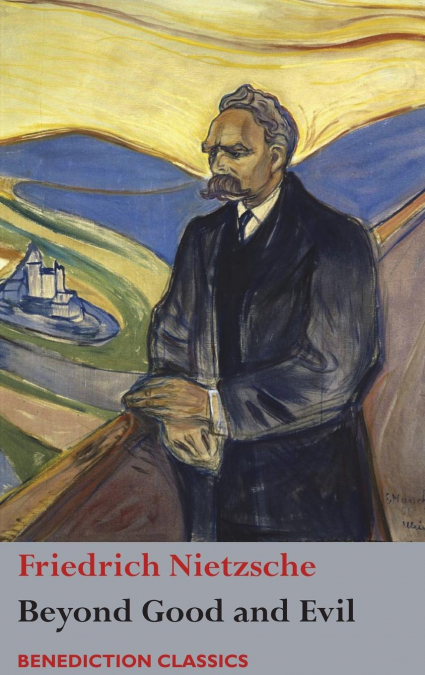
    Nietzsche, though primarily a philosopher, wrote widely on art, philology, history, religion, tragedy, culture, and science.  In 1886, at the height of his powers, he published Beyond Good and Evil.  Here he examines much of the best of human thought--dogmatic philosophy, Judeo-Christian morality, science and democracy – and finds it lacking.  Rejecting “slave-morality” he pres...
  • Beyond Good and Evil
    Friedrich Nietzsche
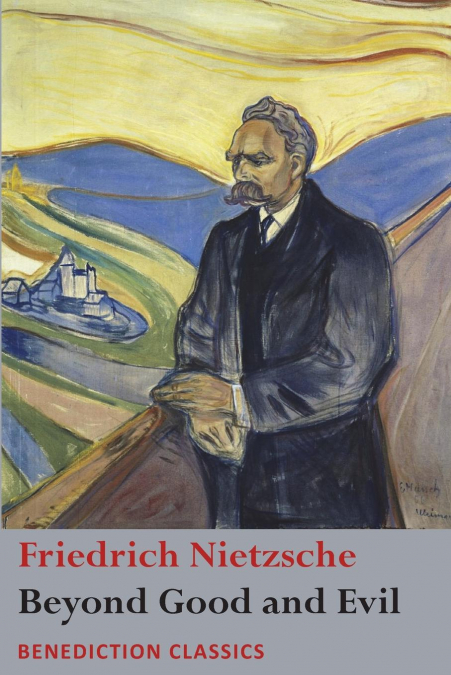
    Nietzsche, though primarily a philosopher, wrote widely on art, philology, history, religion, tragedy, culture, and science.  In 1886, at the height of his powers, he published Beyond Good and Evil.  Here he examines much of the best of human thought--dogmatic philosophy, Judeo-Christian morality, science and democracy – and finds it lacking.  Rejecting “slave-morality” he pres...
    Disponible

    9,99 €

Otros libros del autor

  • The River Bends in Time
    Glen A. Mazis
    This book follows the flow of time and the river as it unwinds in a small town in Pennsylvania along the banks of the Susquehanna. The narrator experiences those quiet moments of joy when ducks come from the sky to skim the water's edge or in the height of a Nor'easter as he walks through the forest filling with snow, but also the sadness of a neighbor's dying or love breaking ...
  • Humans, Animals, Machines
    Glen A. Mazis
    Examines the overlap and blurring of boundaries among humans, animals, and machines.In the twenty-first century, the boundaries between both humans and machines and humans and animals are hotly contested and debated. In Humans, Animals, Machines, Glen A. Mazis examines the increasingly blurring boundaries among the three and argues that despite their violating collisions, there...
    Disponible

    47,15 €