Inicio > Artes > Música > Mangrove palms do not grow in the sand of Copacabana
Mangrove palms do not grow in the sand of Copacabana

Mangrove palms do not grow in the sand of Copacabana

Carlos Eduardo Amaral de Paiva

93,61 €
IVA incluido
Disponible
Editorial:
KS OmniScriptum Publishing
Año de edición:
2025
Materia
Música
ISBN:
9786209123696
93,61 €
IVA incluido
Disponible

Selecciona una librería:

  • Librería Samer Atenea
  • Librería Aciertas (Toledo)
  • Kálamo Books
  • Librería Perelló (Valencia)
  • Librería Elías (Asturias)
  • Donde los libros
  • Librería Kolima (Madrid)
  • Librería Proteo (Málaga)

This work studies the musical production of the samba musicians who were part of the group known as ’pessoal do Estácio’ (the Estácio people), creators of Deixa Falar, considered the first samba school in Rio de Janeiro, founded in 1928, and responsible for the rhythmic and thematic modification of samba in the late 1920s. Using the idea of the formation of a ’popular public sphere,’ we aim to demonstrate how these transformations, fundamental to the demarcation of samba as an urban musical genre, were intrinsically linked to the forms of organisation and sociability of the non-bourgeois classes of republican Brazil. Thus, the analysis of the formation of samba as a musical genre involves an interpretation of the meaning of various practices within this public sphere, such as forms of religiosity, the process of professionalisation and gender relations, which point to a worldview of the popular classes that diverges from that of the dominant classes.
Artículos relacionados

  • Hear the Beat, Feel the Music
    James Joseph
    How do you count music? What’s an 8-count? How do you find the beat in a song?This book, along with more than 20 YouTube videos, will teach you how to count music the easy way—using the 8-count, the way dancers count. If you struggle to stay on the beat, the music lessons in this book are a mini-course in how to get rhythm. Being “rhythmically challenged” is not a lack of abili...
    Disponible

    15,54 €

  • Book of Rhymes
    Romane Armand
    What rhymes with Google, or Beyoncé, or better yet, what rhymes with ORANGE? This book full of words that rhyme together has all the answers! With over 50,000 rhyming entries, this essential reference tool will help songwriters, poets, and advertisers overcome writer’s block and quickly find the right rhyming word. It features slang, phrases, idioms, and pop-culture terms, not ...
    Disponible

    27,01 €

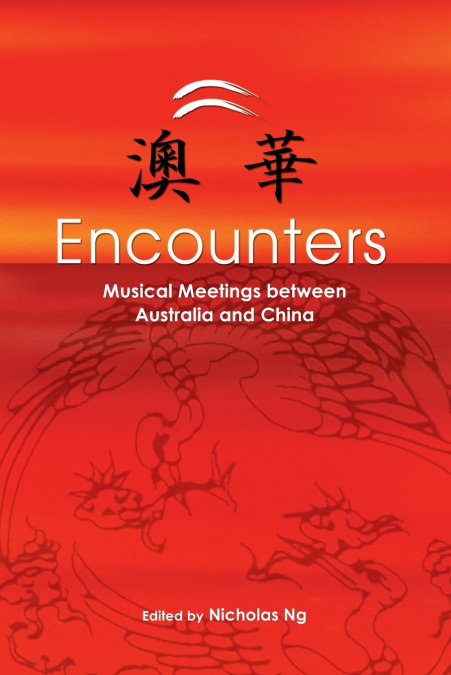
  • Encounters
    Nicholas Ng
    Addressing the themes of: music and history; tradition versus innovation; cultural diversity/intercultural creativity; and music and the related arts; this book  focuses on encounters between China and Australia from the earliest imaginings and representations to the latest cultural exchanges. Here, the reader will find of stories of forbidden love, prejudice and deceit, of ges...
    Disponible

    44,49 €

  • RIVERSONG
    Lee Underwood
    INTRODUCTIONNearly all of the poems included in Riversong are new.They are expressions of personal love, transcendentalrealization, and my deep involvement with nature and music.STREAM. . .RIVER. . .FLOW, that starts off the FOREVERSONGS Section, for example, is a journey from youth’s firstrealization of the power of music, when as a nine-year-oldboy, lying in bed, I held a pla...
    Disponible

    13,09 €

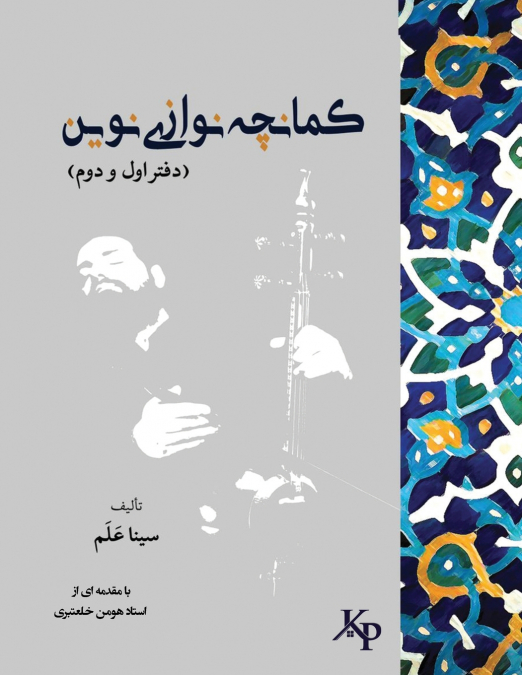
  • کمانچه نوازی نوین
    Sina Alam
    در این کتاب سعی کرده ام کمانچه را به عنوان یک ساز زهی_آرشه ای کامل و واقعی بشناسانم و تا جایی که می شود شخصیتی کششی برای آن بسازم .همچنین مقوله بسیار مهمی را که سال ها آهنگسازان و نوازندگان با آن درگیر بوده اند حل کنم-انتقالی بودن ساز کمانچه-.اشتباه بزرگی که موجب سختی در نگارش و نوازندگی می شد،نگاه انتقالی به این ساز بوده که درکتاب با نگاه بی طرفانه به حل این مشکل پُرداخته ام.ن...
    Disponible

    34,39 €

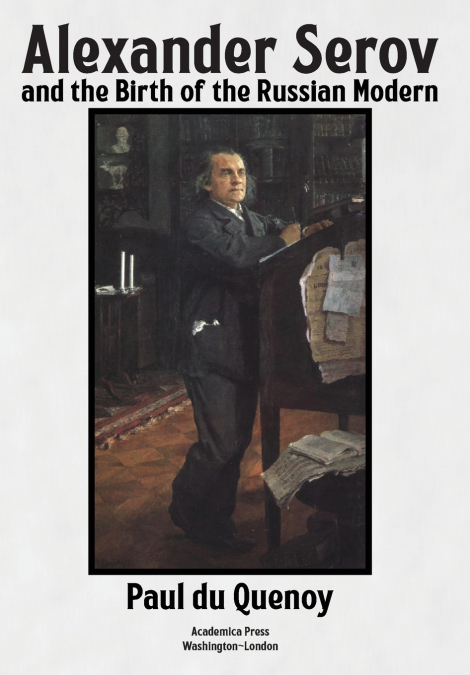
  • Alexander Serov and the Birth of the Russian Modern
    Paul du Quenoy
    When did Russia become 'modern?' Historians of Russia - including even many Russian historians - have long tried to identify Russia’s 'modern' moment. While most scholars have looked to economic or ideological transitions, noted historian and critic Paul du Quenoy approaches the problem through culture, and specifically the performing arts, as told through the prism of one of i...

Otros libros del autor

  • Die Mangrovenpalme wächst nicht im Sand von Copacabana
    Carlos Eduardo Amaral de Paiva
    Diese Arbeit untersucht die Musikproduktion der Sambistas, die Teil der Gruppe waren, die als „Pessoal do Estácio' bekannt wurde, den Gründern von Deixa Falar, der als erste Sambaschule in Rio de Janeiro gilt, die 1928 gegründet wurde, und die für die rhythmischen und thematischen Veränderungen des Samba Ende der 1920er Jahre verantwortlich waren. Anhand der Idee der Bildung ei...
    Disponible

    93,56 €

  • Les palmiers des mangroves ne poussent pas sur le sable de Copacabana
    Carlos Eduardo Amaral de Paiva
    Ce travail étudie la production musicale des sambistes qui faisaient partie du groupe connu sous le nom de pessoal do Estácio (les gens d’Estácio), créateurs de Deixa Falar, considérée comme la première école de samba de Rio de Janeiro, fondée en 1928, et responsables de la modification rythmique et thématique de la samba à la fin des années 1920. En utilisant l’idée de forma...
    Disponible

    93,57 €

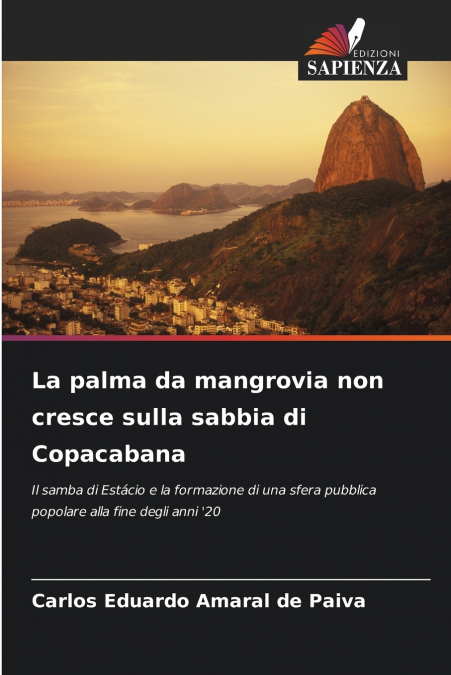
  • La palma da mangrovia non cresce sulla sabbia di Copacabana
    Carlos Eduardo Amaral de Paiva
    Questo lavoro studia la produzione musicale dei sambisti che facevano parte del gruppo noto come 'pessoal do Estácio' (il gruppo di Estácio), fondatori della Deixa Falar, considerata la prima scuola di samba di Rio de Janeiro, fondata nel 1928, e responsabili della modifica ritmica e tematica del samba alla fine degli anni ’20. Utilizzando l’idea della formazione di una 'sfera ...
    Disponible

    93,61 €

  • Palma mangowa nie rośnie na piasku Copacabany
    Carlos Eduardo Amaral de Paiva
    Niniejsza praca poświęcona jest twórczości muzycznej sambistów należących do grupy znanej jako „pessoal do Estácio' (ludzie z Estácio), twórców Deixa Falar, uważanej za pierwszą szkołę samby w Rio de Janeiro, założoną w 1928 roku, odpowiedzialnych za zmiany rytmiczne i tematyczne samby pod koniec lat 20. Wykorzystując ideę utworzenia „popularnej sfery publicznej', staramy się p...
    Disponible

    93,61 €