

 Librería Samer Atenea
 Kálamo Books
 Librería Elías (Asturias)
 Librería Kolima (Madrid)
 Librería Proteo (Málaga)
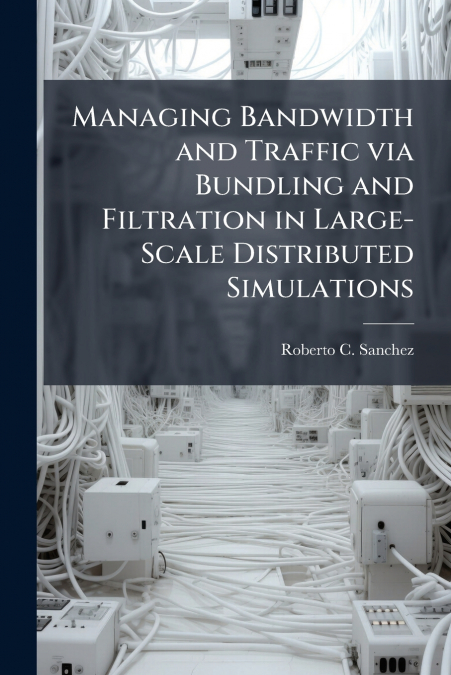
Research has shown that bandwidth can be a limiting factor in the performance of distributed simulations. The Air Force’s Distributed Mission Operations Center (DMOC) periodically hosts one of the largest distributed simulation events in the world. The engineers at the DMOC have dealt with the difficult problem of limited bandwidth by implementing application level filters that process all DIS PDUs between the various networks connected to the exercise. This thesis examines their implemented filter and proposes: adaptive range-based filtering and bundling together of PDUs. The goals are to reduce the number of PDUs passed by the adaptive filter and to reduce network overhead and the total amount of data transferred by maximizing packet size up to the MTU. The proposed changes were implemented and logged data from previous events were used on a test network in order to measure the improvement from the base filter to the improved filter. The results showed that the adaptive range based filter was effective, though minimally so, and that the PDU bundling resulted in a reduction of 17% to 20% of the total traffic transmitted across the network.This work has been selected by scholars as being culturally important, and is part of the knowledge base of civilization as we know it. This work was reproduced from the original artifact, and remains as true to the original work as possible. Therefore, you will see the original copyright references, library stamps (as most of these works have been housed in our most important libraries around the world), and other notations in the work.This work is in the public domain in the United States of America, and possibly other nations. Within the United States, you may freely copy and distribute this work, as no entity (individual or corporate) has a copyright on the body of the work.As a reproduction of a historical artifact, this work may contain missing or blurred pages, poor pictures, errant marks, etc. Scholars believe, and we concur, that this work is important enough to be preserved, reproduced, and made generally available to the public. We appreciate your support of the preservation process, and thank you for being an important part of keeping this knowledge alive and relevant.





