
Inicio > Sociedad y ciencias sociales > Política y gobierno > Ciencias políticas y teoría > Malaysia’s United Nations Peacekeeping Operations (1960-2010)
Malaysia’s United Nations Peacekeeping Operations (1960-2010)

Malaysia’s United Nations Peacekeeping Operations (1960-2010)

Asmady Idris / Asri Salleh

111,54 €
IVA incluido
Disponible
Editorial:
Springer Nature B.V.
Año de edición:
2022
Materia
Ciencias políticas y teoría
ISBN:
9789813341395
111,54 €
IVA incluido
Disponible

Selecciona una librería:

  • Librería Samer Atenea
  • Librería Aciertas (Toledo)
  • Kálamo Books
  • Librería Perelló (Valencia)
  • Librería Elías (Asturias)
  • Donde los libros
  • Librería Kolima (Madrid)
  • Librería Proteo (Málaga)

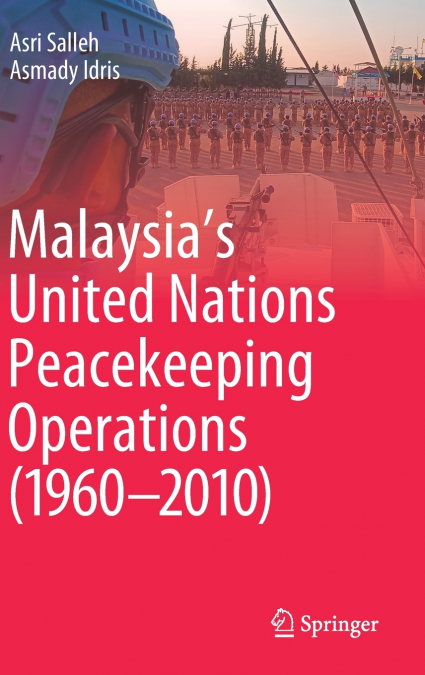
Small and developing states make up the majority of participants in United Nations Peacekeeping Operations (UNPKO), and Malaysia is one of these. The numerous previous studies on Malaysia’s UNPKO are primarily historical narratives which focus on practical, policy-related issues and due process, making no attempt to synchronize the nexus between theory and policy analysis. Nor do they cover the theoretical aspect which can operationalize and address the question of the roles played by Malaysia’s domestic actors (foreign policy executives, legislature, military, media, public opinion) in the respective decision-making processes as well as those of external level, such as international power politics and geopolitical considerations. In other words, they are predominantly a historical narrative of only several Malaysia’s UNPKO.This book fills the critical gap. It deliberates on the respective national and international decision-making processes, especially from the Malaysian point of view, and analyses the theoretical and practical impacts of Malaysia’s UNPKO in understanding international politics. Apart from providing a well-researched account of Malaysia’s UNPKO across the globe for 50 years, i.e. 1960-2010, this book examines the determinants by using qualitative data, particularly key-informant interviews and documentary analysis. Thus, while most studies of Malaysia’s UNPKO single out domestic imperatives as the most vital determinant, this book, on the contrary, comprehensively identifies the prevailing world security order as the most important determinant influencing Malaysia’s UNPKO, followed by the domestic ones.
Artículos relacionados

  • Navigating the Waters
    Thirdy Ventenilla
    Embark on a journey through the intricate waters of international law and maritime regulations with "Navigating the Waters." This comprehensive guide delves into the depths of the legal frameworks governing our oceans, offering a nuanced understanding of the complex issues shaping our maritime world. From territorial disputes to piracy, from environmental conservation to techno...
    Disponible

    32,99 €

  • Third Party Funding
    Gian Marco Solas
    ...
    Disponible

    49,97 €

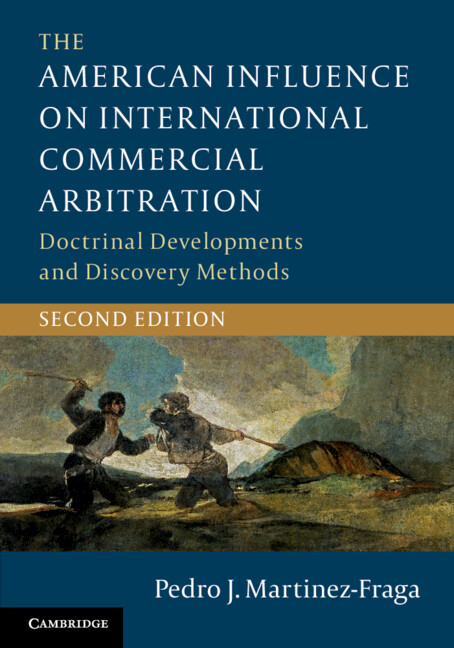
  • The American Influence on International Commercial Arbitration
    Pedro J. Martinez-Fraga
    ...
    Disponible

    56,41 €

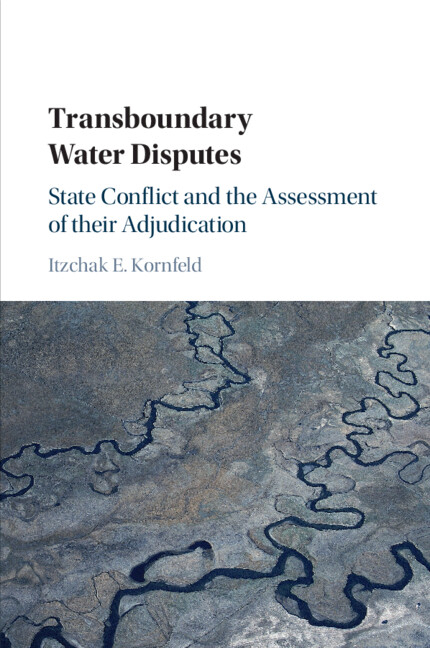
  • Transboundary Water Disputes
    Itzchak E. Kornfeld
    ...
    Disponible

    45,19 €

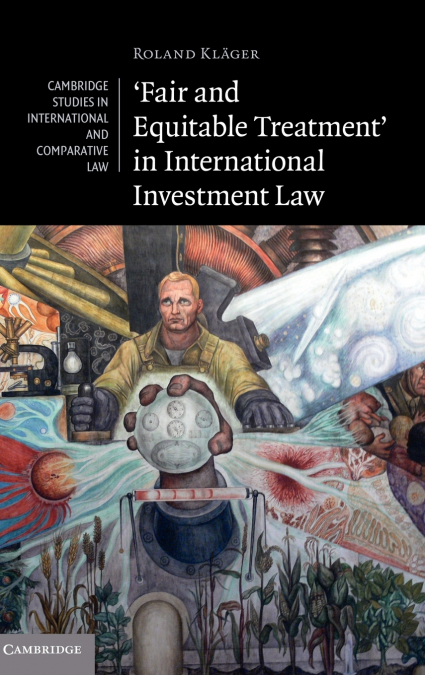
  • ’Fair and Equitable Treatment’ in International Investment Law
    Roland Kl Ger / Roland Klager
    ...
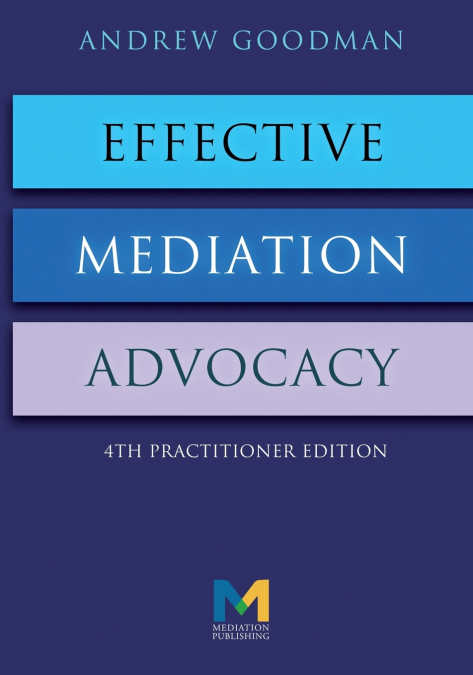
  • Effective Mediation Advocacy
    Andrew Goodman
    Updated with Churchill, the Singapore Convention 2019, the impact of Brexit and the pandemic and other important developments in mind, this fourth edition of Andrew Goodman’s original work on mediation advocacy remains essential reading. Practitioners already representing parties at mediation will want their updated bible. For those seeking to add value to their existing practi...
    Disponible

    72,47 €

Otros libros del autor

  • Malaysia’s United Nations Peacekeeping Operations (1960-2010)
    Asmady Idris / Asri Salleh
    Small and developing states make up the majority of participants in United Nations Peacekeeping Operations (UNPKO), and Malaysia is one of these. The numerous previous studies on Malaysia’s UNPKO are primarily historical narratives which focus on practical, policy-related issues and due process, making no attempt to synchronize the nexus between theory and policy analysis. Nor ...