Inicio > Humanidades > Filosofía > Ética y filosofía moral > Mahakk al Nazar fi al Mantiq - محك النظر في المنطق
Mahakk al Nazar fi al Mantiq - محك النظر في المنطق

Mahakk al Nazar fi al Mantiq - محك النظر في المنطق

Abu Hamid Muhammad al Ghazali

12,99 €
IVA incluido
Disponible
Editorial:
JILT Publishers
Año de edición:
2026
Materia
Ética y filosofía moral
ISBN:
9789349497399
12,99 €
IVA incluido
Disponible

Selecciona una librería:

  • Librería Samer Atenea
  • Kálamo Books
  • Librería Elías (Asturias)
  • Librería Kolima (Madrid)
  • Librería Proteo (Málaga)

The Touchstone of Reasoning in Logic by Abū Ḥāmid Muḥammad ibn Muḥammad al-Ghazālī al-Ṭūsī is an important classical Arabic treatise on logic and rational inquiry.The work examines principles that govern structured reasoning and inference, showing how a thinker can move systematically from premises to conclusions. Al-Ghazālī discusses fundamental logical concepts and methods, including definitions, propositions, syllogistic reasoning, argument construction, and the evaluation of inference.The book reflects al-Ghazālī’s broader intellectual project of establishing logic as a useful methodological instrument for scholarly inquiry. Its systematic treatment makes it particularly valuable for readers and researchers interested in Islamic logic, Islamic philosophy, medieval reasoning, argumentation, and the history of rational sciences in the Islamic world.يُعَدُّ كتاب محك النظر في المنطق للإمام أبي حامد محمد بن محمد الغزالي الطوسي من المؤلفات البارزة في علم المنطق ضمن التراث العربي والإسلامي. ويهدف الكتاب إلى بيان القواعد التي تضبط عملية التفكير والاستدلال، وتساعد الباحث على الانتقال المنهجي من المقدمات إلى النتائج.يعرض الغزالي في هذا الكتاب عددًا من المبادئ الأساسية في المنطق، مع التركيز على طرق النظر والاستدلال، والتعريف، والقضايا، والقياس، وتركيب الحجج، وبيان ما يصح منها وما يعتريه الخلل. ويتميز أسلوبه بالترتيب والتحليل، مع توظيف المصطلحات المنطقية في إطار يخدم البحث العلمي والنظر العقلي.وتكمن أهمية الكتاب في مكانته ضمن المشروع العلمي للغزالي الذي أسهم في إدخال المنطق وترسيخ دراسته في العلوم الإسلامية، وفي تقديمه المنطق بوصفه أداة منهجية لضبط التفكير والاستدلال. ولذلك يمثل الكتاب مصدرًا مهمًا للدارسين والباحثين في المنطق الإسلامي، والفلسفة الإسلامية، وتاريخ العلوم العقلية، ونظرية الاستدلال.
Artículos relacionados

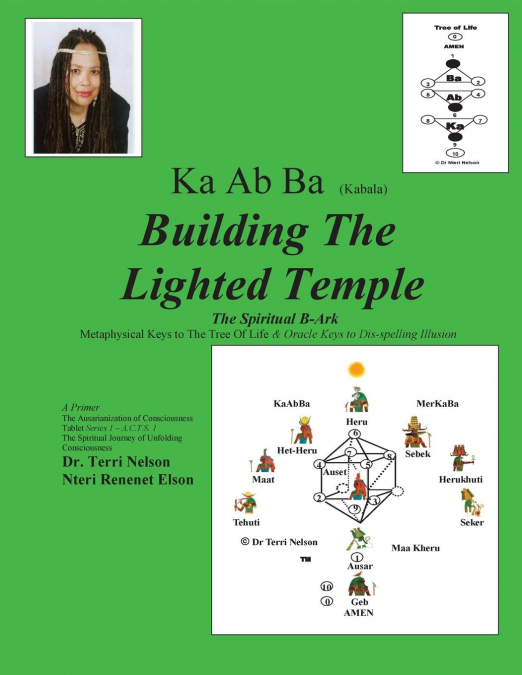
  • Ka Ab Ba Building The Lighted Temple
    Dr Terri R. Nelson / Dr Terri RNelson
    The book KaAbBa Building The Lighted Temple/Metaphysical Keys to the Tree of Life draws a circle that is inclusive of the Afrikan origin of the Ancient Kemetic/Egyptian wisdom. It reveals the undeniable root and link of Ancient Africa to all the religious systems that would develop worldwide. This book is explosive in its power to convey the meaning of KaAbBa, the Medu Neter  (...
    Disponible

    37,41 €

  • Technoethics and the Evolving Knowledge Society
    Rocci Luppicini
    Recently, there has been a major push to rediscover the ethical dimension of technology across the sciences, social sciences, and humanities. Technoethics and the Evolving Knowledge Society: Ethical Issues in Technological Design, Research, Development, and Innovation examines human processes and practices connected to technology embedded within social, political, and moral sph...
  • Kant
    Immanuel Kant
    Kant’s Groundwork of the Metaphysics of Morals is one of the most important works in modern moral philosophy. It belongs beside Plato, Aristotle, Machiavelli, and Hobbes. Here Kant sets out to articulate and defend the Categorical Imperative - the fundamental principle that underlies moral reasoning - and to lay the foundation for a comprehensive account of justice and human vi...
  • On the Duty of Civil Disobedience
    HENRY DAVID THOREAU
    Civil Disobedience argues that citizens should not permit their governments to overrule their consciences, and that they have a duty to avoid allowing their acquiescence to enable the government to make them the agents of injustice. Thoreau was motivated in part by his disgust with slavery and the Mexican-American War, but the sentiments he expresses here are just as pertinent ...
  • Beyond Good and Evil
    Friedrich Nietzsche
    Nietzsche, though primarily a philosopher, wrote widely on art, philology, history, religion, tragedy, culture, and science.  In 1886, at the height of his powers, he published Beyond Good and Evil.  Here he examines much of the best of human thought--dogmatic philosophy, Judeo-Christian morality, science and democracy – and finds it lacking.  Rejecting “slave-morality” he pres...
  • Beyond Good and Evil
    Friedrich Nietzsche
    Nietzsche, though primarily a philosopher, wrote widely on art, philology, history, religion, tragedy, culture, and science.  In 1886, at the height of his powers, he published Beyond Good and Evil.  Here he examines much of the best of human thought--dogmatic philosophy, Judeo-Christian morality, science and democracy – and finds it lacking.  Rejecting “slave-morality” he pres...
    Disponible

    9,99 €