 Librería Samer Atenea
 Kálamo Books
 Librería Elías (Asturias)
 Librería Kolima (Madrid)
 Librería Proteo (Málaga)
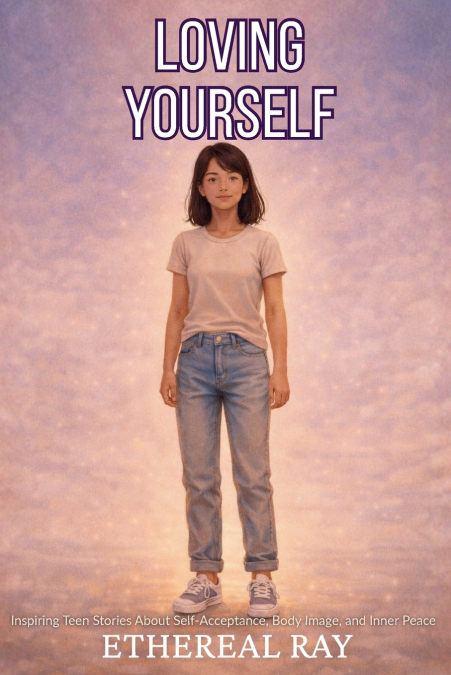
What if the voice telling you you’re not enough was never actually telling you the truth?Meet Mei - an 18-year-old who’s spent most of her life hearing comments about her body, from people who loved her, that she never fully learned how to stop absorbing. She’s a recovering perfectionist, the daughter of restaurant owners, a girl who once believed that if she just got disciplined enough, she’d finally get to stop feeling the thing she felt every time she looked in a mirror. She didn’t. This is what she’s learned since.Loving Yourself isn’t a book about fixing your body. It’s twelve honest, unflinching stories about the daily, unglamorous work of learning to stop making yourself smaller - for mirrors, for comments, for people who were never actually keeping score.Inside you’ll find real teens working through:Body image and the mirror arguments that hijack a good day Comparing yourself to a highlight reel that was never the whole story Perfectionism that quietly reorganizes your whole identity The inner critic that would never talk to a friend the way it talks to you A body that’s changing faster than you feel ready for A complicated relationship with food, handled honestly and without numbers Chasing achievement as a stand-in for feeling worth something Learning that the flaw is often the only proof a real person made something Being seen for one thing about you and wanting to be seen for the rest Saying no without losing who you are Forgiving yourself for a mistake you’ve been carrying for years And Mei’s own story - the dinner where she finally said the true thing out loudNo lectures. No instant fixes. Just twelve teens - and one honest guide - figuring out, one uncomfortable moment at a time, that they were never the problem to begin with.Perfect for teens navigating body image and self-worth, parents looking for a resource that doesn’t talk down to their kids, and educators building SEL and advisory curricula around real, relatable stories instead of clinical language. 6