

 Librería Samer Atenea
 Kálamo Books
 Librería Perelló (Valencia)
 Librería Elías (Asturias)
 Librería Kolima (Madrid)
 Librería Proteo (Málaga)
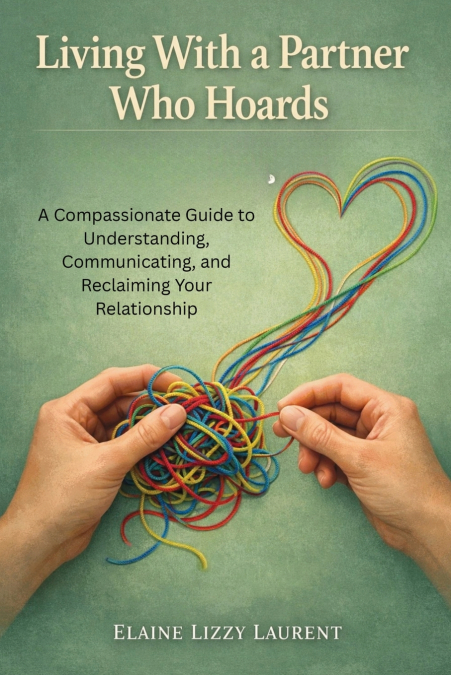
Your home has become a battleground. Stacks of newspapers tower in corners. Boxes fill rooms you used to share. Every conversation about the clutter ends in conflict or silence. You love your partner, but you feel like you are competing with their possessions for space, attention, and a future together.Hoarding disorder affects an estimated 2 to 6 percent of the population, which means millions of spouses, boyfriends, girlfriends, and long-term partners find themselves living in conditions they never imagined. The shame keeps most of them silent. The isolation grows. The relationship suffers in ways that outsiders cannot understand.This book was written specifically for you, the romantic partner caught between love and an increasingly unlivable home. It offers what no other resource provides: a complete guide designed exclusively for spouses and partners of people who hoard. Not general family advice. Not guidance aimed at the person who hoards. This is your book.Inside these pages, you will find the latest research on hoarding disorder explained in clear, accessible language. You will learn what drives your partner’s behavior, including the brain differences, emotional attachments, and thinking patterns that make discarding feel impossible for them. Understanding does not mean accepting an unlivable situation, but it does create the foundation for more effective communication and realistic expectations.The chapters on communication provide specific scripts and techniques adapted from motivational interviewing, the same approach used by professional therapists. You will learn what to say, what to avoid, and how to time conversations for the best possible outcome. The boundary-setting sections help you identify your non-negotiables and communicate them with clarity and compassion rather than ultimatums that backfire.Treatment options receive thorough coverage, including what cognitive behavioral therapy for hoarding actually involves, how long it takes, what results to expect, and how you can support recovery without becoming a co-therapist. For situations where professional treatment is refused, harm reduction strategies help you protect safety while maintaining the relationship.The decluttering chapters provide practical approaches that build trust rather than destroy it. You will learn why forced clean-outs almost always make things worse and what collaborative methods actually work. Step-by-step guidance covers sorting systems, acquisition management, and how to handle different categories of items from sentimental possessions to information hoarding.Partner self-care receives the attention it deserves. The emotional toll of living with someone who hoards is documented and real. Chapters on protecting your mental health address burnout prevention, building support systems, creating sanctuary spaces, and making informed decisions about the future of your relationship. The difficult question of staying versus leaving is addressed honestly, with respect for whatever path you choose.Every chapter includes real-world examples, practical exercises, and assessment tools. The appendices provide communication scripts, safety checklists, resource directories, and templates you can use immediately. All clinical information is grounded in peer-reviewed research with citations you can verify.Living with a partner who hoards is hard. It does not have to be hopeless. With understanding, better communication, clear boundaries, appropriate support, and genuine self-care, many couples find ways forward. This book gives you the knowledge and tools to determine what is possible in your situation and how to move toward it.





