Lisis

Lisis

Platón / Patricio Domínguez Valdés

10,40 €
IVA incluido
Disponible
Editorial:
Editorial Universitaria de Chile
Año de edición:
2025
Materia
Ética y filosofía moral
ISBN:
9789561131286
10,40 €
IVA incluido
Disponible

Selecciona una librería:

  • Librería Samer Atenea
  • Kálamo Books
  • Librería Perelló (Valencia)
  • Librería Elías (Asturias)
  • Librería Kolima (Madrid)
  • Librería Proteo (Málaga)

Sócrates se reúne con unos muchachos en una palestra recién inaugurada. Allí se juega, se debate, se aprende y además se dan las primeras amistades y galanteos. Animado por los jóvenes, Sócrates plantea las siguientes preguntas fundamentales: ¿qué significa en realidad querer a alguien?, ¿qué es ser amigo (phílos)?, ¿es lo mismo querer a un hijo, a un amigo o a un objeto? Cuando queremos a alguien, ¿lo queremos porque nos reporta una utilidad a nosotros, o porque queremos que él sea feliz? ¿O ambas? ¿Es posible la amistad entre malos? ¿Es la semejanza la raíz de la amistad? ¿O en realidad “los opuestos se atraen”? Y yendo aún más lejos: ¿cuál es la estructura misma del acto de querer, que subyace al amor, a la amistad y al simple deseo? Estas y más preguntas aparecen en este diálogo corto pero intrincado, en donde Sócrates mismo parece marearse con las dificultades del problema y quedarse con las manos vacías. Una obra fundamental para comprender el problema ético de la amistad (philía). La presente traducción comentada ha estado a cargo de Patricio Domínguez Valdés, profesor de filosofía en la Universidad de los Andes (Chile) y doctor en filosofía por la Universidad de Tubinga (Alemania), y José Antonio Giménez, profesor de filosofía en la Universidad de los Andes (Chile) y doctor en filosofía por la Universidad de Münster (Alemania). 10

Artículos relacionados

  • Ka Ab Ba Building The Lighted Temple
    Dr Terri R. Nelson / Dr Terri RNelson
    The book KaAbBa Building The Lighted Temple/Metaphysical Keys to the Tree of Life draws a circle that is inclusive of the Afrikan origin of the Ancient Kemetic/Egyptian wisdom. It reveals the undeniable root and link of Ancient Africa to all the religious systems that would develop worldwide. This book is explosive in its power to convey the meaning of KaAbBa, the Medu Neter  (...
    Disponible

    37,41 €

  • Technoethics and the Evolving Knowledge Society
    Rocci Luppicini
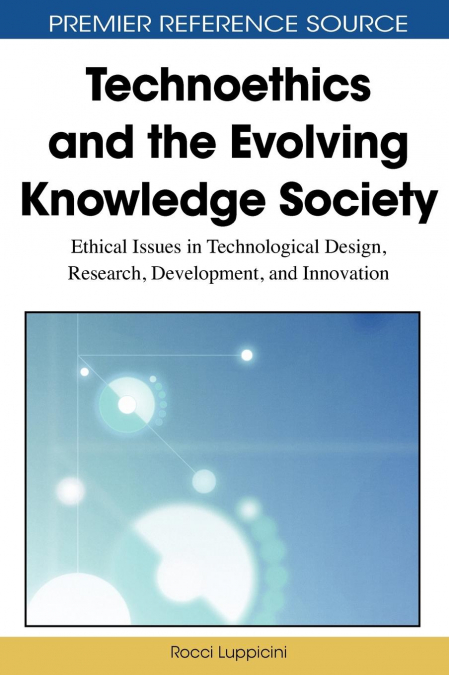
    Recently, there has been a major push to rediscover the ethical dimension of technology across the sciences, social sciences, and humanities. Technoethics and the Evolving Knowledge Society: Ethical Issues in Technological Design, Research, Development, and Innovation examines human processes and practices connected to technology embedded within social, political, and moral sph...
  • Kant
    Immanuel Kant
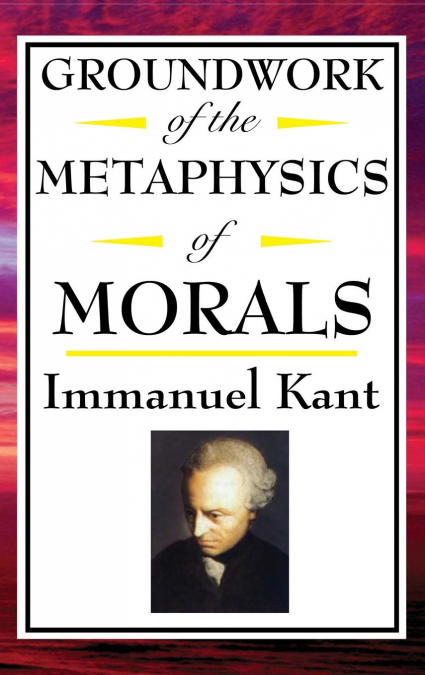
    Kant’s Groundwork of the Metaphysics of Morals is one of the most important works in modern moral philosophy. It belongs beside Plato, Aristotle, Machiavelli, and Hobbes. Here Kant sets out to articulate and defend the Categorical Imperative - the fundamental principle that underlies moral reasoning - and to lay the foundation for a comprehensive account of justice and human vi...
  • On the Duty of Civil Disobedience
    HENRY DAVID THOREAU
    Civil Disobedience argues that citizens should not permit their governments to overrule their consciences, and that they have a duty to avoid allowing their acquiescence to enable the government to make them the agents of injustice. Thoreau was motivated in part by his disgust with slavery and the Mexican-American War, but the sentiments he expresses here are just as pertinent ...
  • Beyond Good and Evil
    Friedrich Nietzsche
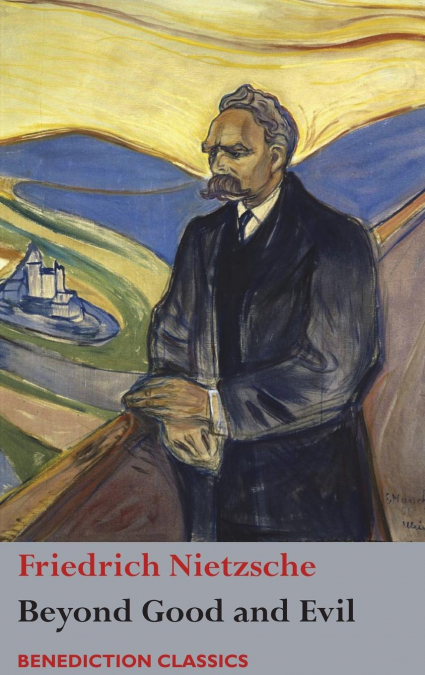
    Nietzsche, though primarily a philosopher, wrote widely on art, philology, history, religion, tragedy, culture, and science.  In 1886, at the height of his powers, he published Beyond Good and Evil.  Here he examines much of the best of human thought--dogmatic philosophy, Judeo-Christian morality, science and democracy – and finds it lacking.  Rejecting “slave-morality” he pres...
  • Beyond Good and Evil
    Friedrich Nietzsche
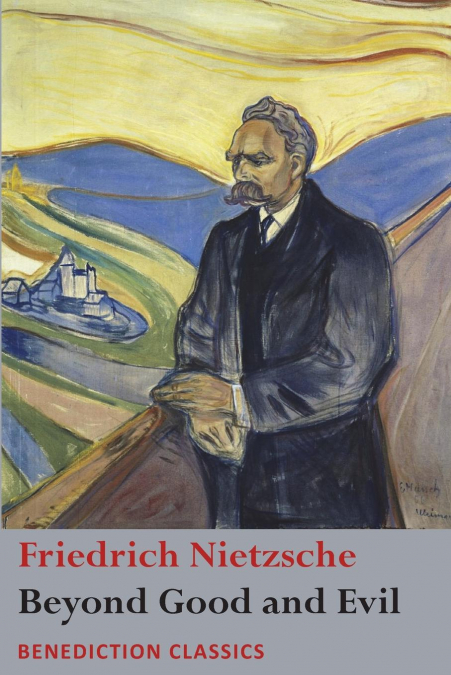
    Nietzsche, though primarily a philosopher, wrote widely on art, philology, history, religion, tragedy, culture, and science.  In 1886, at the height of his powers, he published Beyond Good and Evil.  Here he examines much of the best of human thought--dogmatic philosophy, Judeo-Christian morality, science and democracy – and finds it lacking.  Rejecting “slave-morality” he pres...
    Disponible

    9,99 €