Inicio > Economía, finanzas, empresa y gestión > Economía > Macroeconomía > Limiting Wealth. Why Excess is a Political Problem
Limiting Wealth. Why Excess is a Political Problem

Limiting Wealth. Why Excess is a Political Problem

Marcelo Ungarit

18,70 €
IVA incluido
Disponible
Editorial:
Ediciones Doble A
Año de edición:
2026
Materia
Macroeconomía
ISBN:
9798232651725
18,70 €
IVA incluido
Disponible

Selecciona una librería:

  • Librería Samer Atenea

  • Kálamo Books
  • Librería Elías (Asturias)
  • Librería Kolima (Madrid)
  • Librería Proteo (Málaga)

This book poses an uncomfortable and urgent question: why do we accept limits on almost everything-wages, deficits, emissions, resources-but not on extreme wealth? Limitarianism is based on an idea that is both simple and radical: in democratic societies, the limitless accumulation of wealth is not a neutral right, but a profound political, moral, and social problem. When a few concentrate too much economic power, the liberty and equality of everyone else are weakened, even if absolute poverty decreases.Throughout its chapters, the book dismantles the false opposition between fighting poverty and curbing excess. It argues that both phenomena are two sides of the same systemic coin and that it is not enough to guarantee a minimum floor if we do not also establish a reasonable ceiling. From an accessible and well-documented perspective, the text analyzes the philosophical roots of limitarianism-paying special attention to the ideas of Ingrid Robeyns-as well as the psychological, cultural, and economic factors that sustain the obsession with accumulating more than necessary.The text brings the debate down to earth, addressing common objections: whether setting limits disincentivizes effort, threatens innovation, or leads to forced egalitarianism. In response to these fears, it proposes a clear framework: it is not about making everyone equal, but about preventing the excess of a few from degrading democracy and our shared life. Along the way, the book explores the direct link between limiting wealth and enabling policies such as Universal Basic Income (UBI), viewing them as interconnected vessels of the same social justice project.Far from being an abstract manifesto, this work offers tools to envision a viable future in a finite world, where collective well-being does not depend on unbridled accumulation, but on shared rules, clear boundaries, and a redistribution that ensures dignified lives. Limitarianism does not promise utopia, but it does pose an essential question: what does it mean to live well together when economic power no longer has a ceiling?
Artículos relacionados

  • Introduction to Dynamic Macroeconomic General Equilibrium Models
    José Luis Torres Chacon
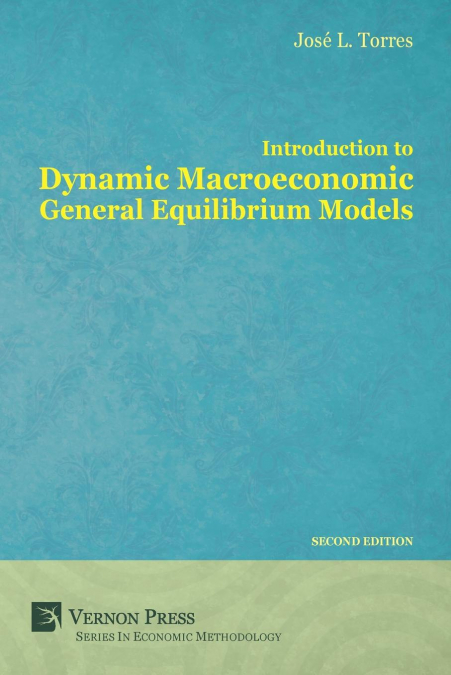
    This book offers an introductory step-by-step course in Dynamic Stochastic General Equilibrium modelling. Modern macroeconomic analysis is increasingly concerned with the construction, calibration and/or estimation and simulation of Dynamic General Equilibrium (DGE) models. The book is intended for graduate students as an introductory course to DGE modelling and for those econo...
    Disponible

    61,40 €

  • International Education and the Next-Generation Workforce
    Wei Wang
    Education is the first stage in developing a viable, dynamic, and long-lived global economy. Unfortunately, in times of economic hardship, educational programs, teacher salaries, and extracurricular opportunities are often the first to be cut. International Education and the Next-Generation Workforce: Competition in the Global Economy presents a detailed discussion of present e...
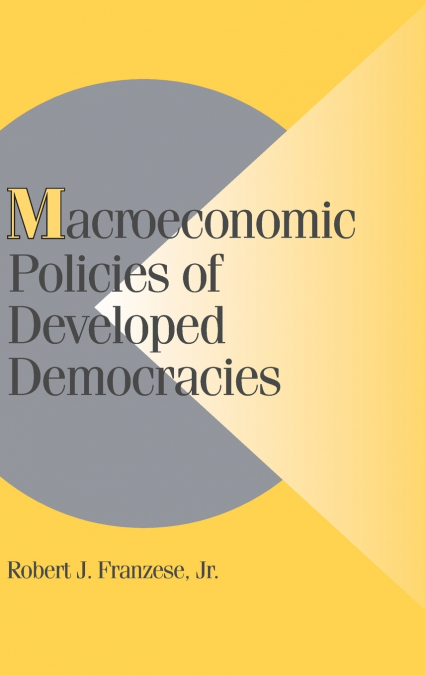
  • Macroeconomic Policies of Developed Democracies
    Robert J Franzese Jr
    ...
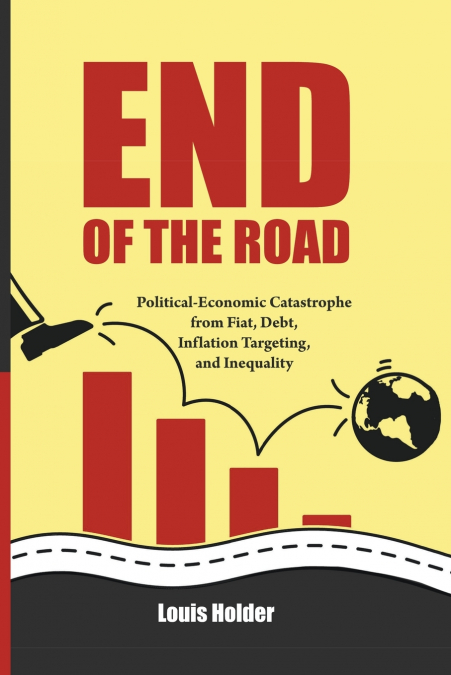
  • End Of The Road
    Louis Holder
    This book is about the mismanagement of Western economies in pursuit of political power, which resulting devastation will have to be borne by future generations. The book establishes that postponement is no longer doable and lays out the hard choices ahead causing much misery and agony.Although not fully recognized because of masking by asset bubbles, which are spun/sold as in...
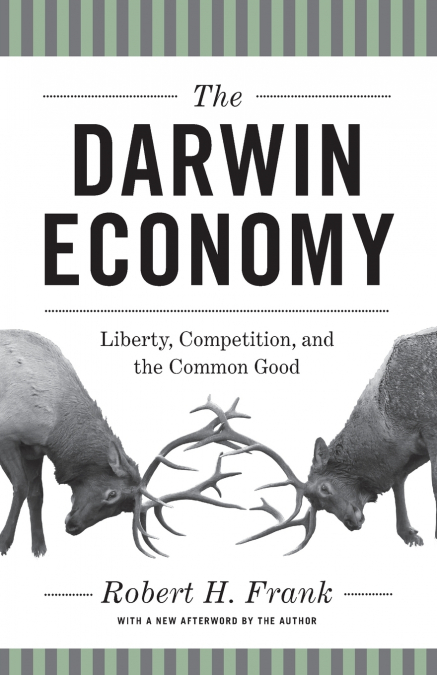
  • The Darwin Economy
    Robert H. Frank
    What Charles Darwin can teach us about building a fairer societyWho was the greater economist-Adam Smith or Charles Darwin? The question seems absurd. Darwin, after all, was a naturalist, not an economist. But Robert Frank, New York Times economics columnist and best-selling author of The Economic Naturalist, predicts that within the next century Darwin will unseat Smith as the...
    Disponible

    19,81 €

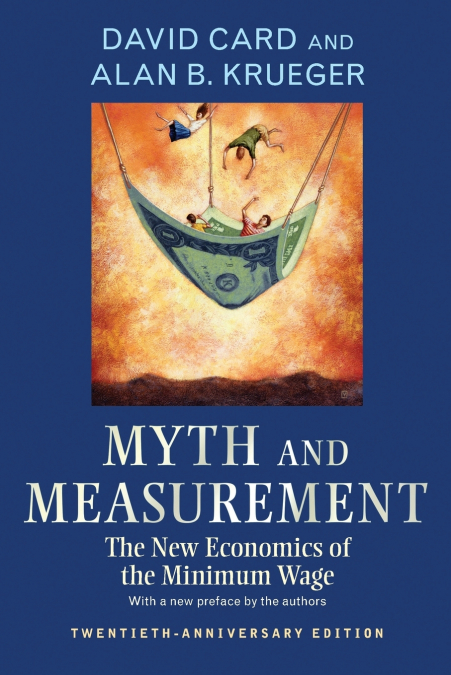
  • Myth and Measurement
    Alan B. Krueger / David Card
    From David Card, winner of the Nobel Prize in Economics, and Alan Krueger, a provocative challenge to conventional wisdom about the minimum wageDavid Card and Alan B. Krueger have already made national news with their pathbreaking research on the minimum wage. Here they present a powerful new challenge to the conventional view that higher minimum wages reduce jobs for low-wage ...
    Disponible

    40,01 €

Otros libros del autor

  • Fondos buitre
    Marcelo Ungarit
    Cuando una persona o una empresa quiebra, la ley protege un mínimo vital para evitar que la deuda destruya su existencia. Cuando quien entra en crisis es un país entero -o miles de familias atrapadas en hipotecas titulizadas-, el orden financiero global invierte esa frontera moral y blinda el lucro de una minoría especulativa frente a la vida cotidiana de millones de personas.¿...
  • Facha pobre
    Marcelo Ungarit
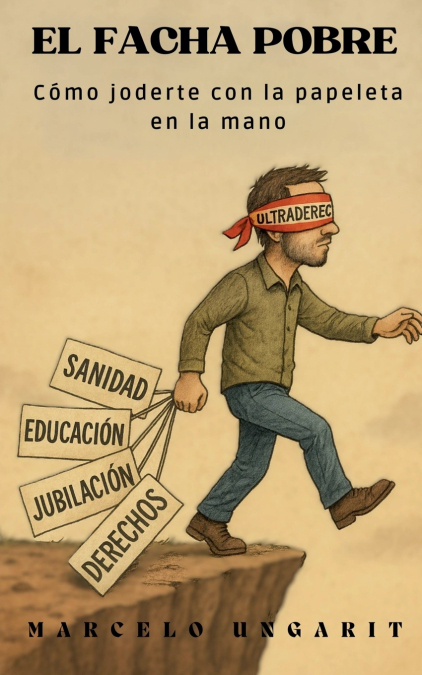
    ¿Por qué alguien con pocos recursos vota a partidos que recortan sus derechos? ¿Qué lleva a un obrero, una pensionista o un parado a defender a quienes legislan en su contra? El facha pobre no es una caricatura ni una exageración: es una figura cada vez más real en las democracias modernas. Es el que vota con rabia, con miedo, con desinformación. Es el que cree que el inmigrant...
    Disponible

    16,85 €

  • El imperio del bot
    Marcelo Ungarit
    ¿Vivimos en una democracia deliberativa o en un simulacro dirigido por algoritmos y redes de autómatas?En EL IMPERIO DEL BOT, Marcelo Ungarit radiografía con precisión quirúrgica la metamorfosis más inquietante del poder político en el siglo XXI: la transformación de las redes digitales desde una promesa utópica de democratización e hiperconexión ciudadana hacia una arquitectur...
    Disponible

    20,23 €

  • LAWFARE
    Marcelo Ungarit
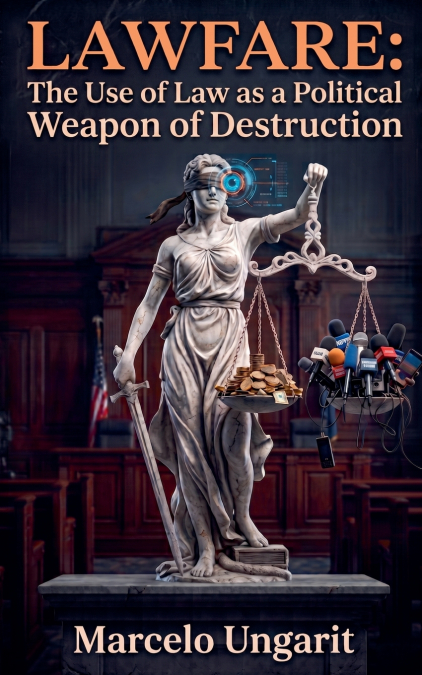
    Is justice the last bastion of democracy, or has it become the ultimate weapon of mass political destruction?Lawfare, or 'legal warfare,' has emerged as the most defining and destabilizing geopolitical phenomenon of our time. Across the globe, courts have ceased to be neutral arbiters of the law and have instead been transformed into highly coordinated battlegrounds for power,...
    Disponible

    22,42 €

  • Lawfare. La justicia como arma de destrucción política
    Marcelo Ungarit
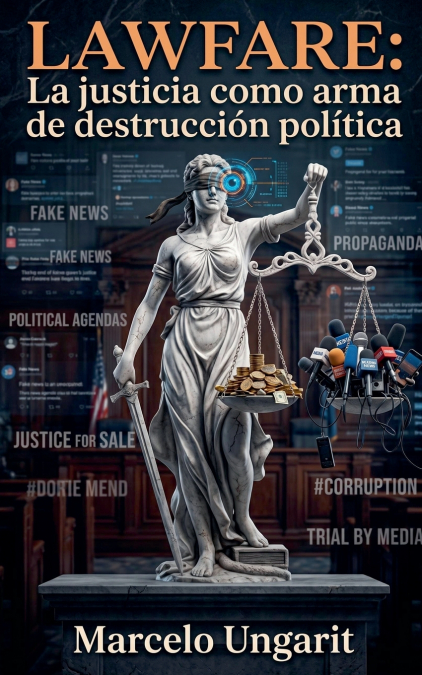
    Es la justicia el último bastión de la democracia o la nueva arma de destrucción política masiva?El Lawfare o 'guerra jurídica' se ha convertido en el fenómeno más desestabilizador del siglo XXI. Desde los colapsos judiciales en las recientes elecciones de Estados Unidos y los bloqueos institucionales en Europa, hasta las implacables persecuciones penales a expresidentes en Amé...
    Disponible

    21,17 €

  • Netanyahu. Criminal of War
    Marcelo Ungarit
    Netanyahu. Criminal of War: A Clinical Autopsy of a Dialectic of Permanent PowerNetanyahu. Criminal of War offers a devastating, analytical journey into the psyche and political legacy of Benjamin Netanyahu, the most transformative and divisive figure in modern Israeli history. Moving beyond simple biography, this book serves as a clinical autopsy of a leadership style rooted i...
    Disponible

    20,14 €