Inicio > Humanidades > Filosofía > Life without Private Property - Chance or Utopia?
Life without Private Property - Chance or Utopia?

Life without Private Property - Chance or Utopia?

Timo Wilhelm Rang

18,61 €
IVA incluido
Disponible
Editorial:
GRIN Verlag
Año de edición:
2011
Materia
Filosofía
ISBN:
9783656071150
18,61 €
IVA incluido
Disponible

Selecciona una librería:

  • Librería Samer Atenea
  • Librería Aciertas (Toledo)
  • Kálamo Books
  • Librería Perelló (Valencia)
  • Librería Elías (Asturias)
  • Donde los libros
  • Librería Kolima (Madrid)
  • Librería Proteo (Málaga)

Essay from the year 2010 in the subject Philosophy - Practical (Ethics, Aesthetics, Culture, Nature, Right, ...), grade: 1,0, Otto-von-Guericke-University Magdeburg (Institut für fremdsprachliche Philologien), course: European Concepts of Private Property, language: English, abstract: Table of Content 1. Introduction 2. Kibbutz 2.1. What is a kibbutz? 2.2. The kibbutz culture today 3. European thinkers 3.1. John Locke 3.2. Jean-Jacques Rousseau 3.3. Karl Marx 4. Evaluation Being brought up in the Western hemisphere after the fall of the communist bloc, private property seems to be a concept so essential and decisive for our everyday life that questioning its existence is hard to imagine. Already as a child one develops a sense of what is 'mine' and what is 'yours'. Trivial as it may be it starts with toys or stuffed animals. An infant's understanding and perception of the world can elevate the fact of owning a certain object to the center of interest - as everybody with brothers or sisters knows. An answer to the question why we allegedly legitimately claim things to be our property could be found in that fact that fully mature and reasoning beings behave in a similar manner. Exchange toys and stuffed animals for vehicles, jewelry, houses or the overall equivalent, money, and you will find adults as ambitiously working or fiercely fighting to get or defend their property as children. Individuals face constant unsatisfied needs and the necessity to posses more and more propagated by commercialized mass media. Western societies have developed an 'entrainment-mentality' as former German Chancellor Gerhard Schröder put it. The unquenchable thirst for growth and the gluttony of the elites could lead one to the assumption that the excessive accumulation of property has perverted the very nature of humanity itself. Or is this picture of a purely materialistically driven society a worn out cliché from anti-capitalistic theories? Aren't we rather experien

Artículos relacionados

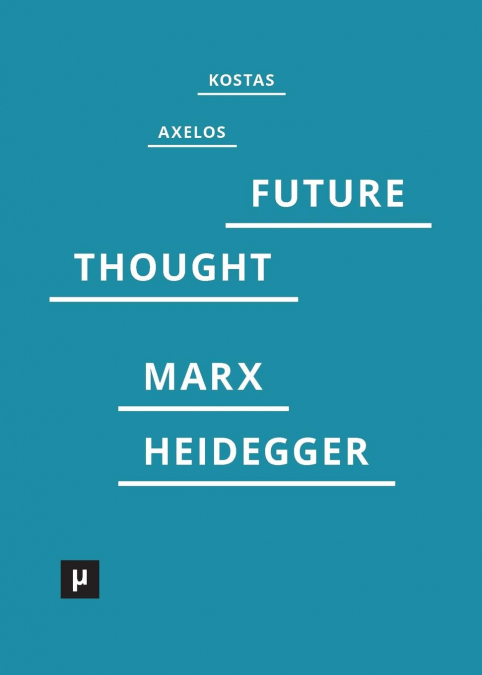
  • Introduction to a Future Way of Thought
    Kostas Axelos / Kenneth Mills
    'Technologists only change the world in various ways in generalized indifference; the point is to think the world and interpret the changes in its unfathomability, to perceive and experience the difference binding being to the nothing.'Anticipating the age of planetary technology Kostas Axelos, a Greek-French philosopher, approaches the technological question in this book, firs...
    Disponible

    18,58 €

  • Capsule
    John Kenneth Press
    Join John and Adam as they wander the mean streets of Japan on a psychedelic fueled search for identity. While fun for the average reader, this book could also serve as a philosphy textbook because of its ordered exploration of sources of identity. Ultimately this trip through nationalist attacks, sex, and drugs, will take you to a better understanding of yourself and your pl...
    Disponible

    11,51 €

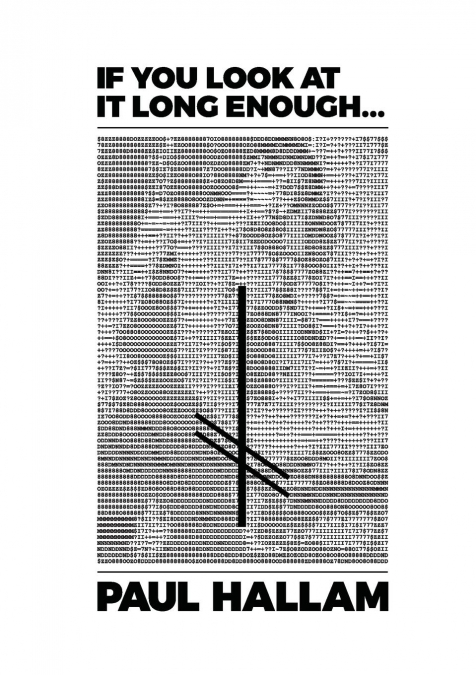
  • If you look at it long enough...
    Paul Hallam
    Originally written for an academic journal, If you look at it long enough... is primarily a personal account of Paul Hallam’s recollections of “self-abuse” through the consumption of porn over several decades. Challenging the familiar form of an “academic essay,” this autobiographical narrative raises several questions in relation to our contemporary morals related to sex in ge...
    Disponible

    11,30 €

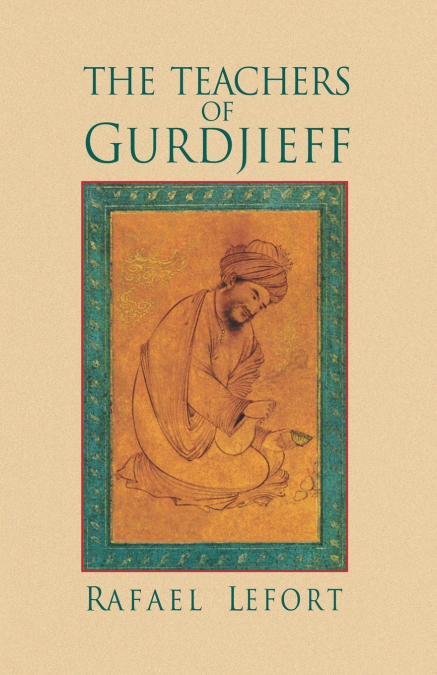
  • The Teachers of Gurdjieff
    Rafael Lafort / Rafael Lefort
    When The Teachers of Gurdjieff was first published more than 50 years ago, it made a considerable stir. George Ivanovich Gurdjieff had been one of the most famous mystics in the West in the first half of the 20th century - a teaching master who had many fashionable and influential pupils. He had a striking appearance and manner of teaching, and his teaching proved to be very in...
    Disponible

    20,45 €

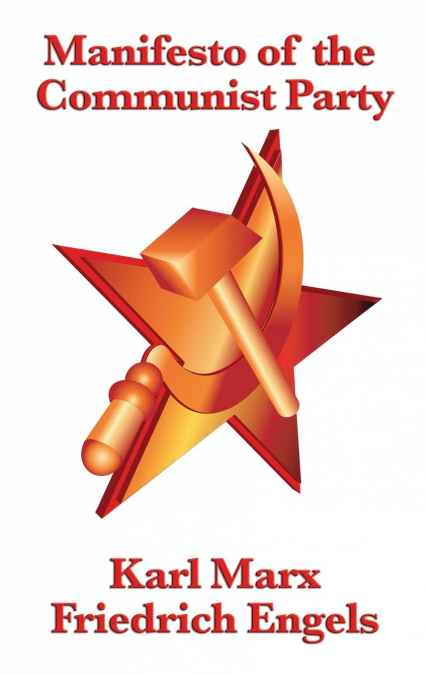
  • Manifesto of the Communist Party
    Karl Marx
    The Communist Manifesto was first published on February 21, and it is one of the world’s most influential political tracts. Commissioned by the Communist League and written by communist theorists Karl Marx and Friedrich Engels, it laid out the League’s purposes and program. The Manifesto suggested a course of action for a proletarian (working class) revolution to overthrow the ...
  • The Art of Literature
    Arthur Schopenhauer
    Collected here are eight short essays, On Authorship, On Style, On the Study of Latin, On Men of Learning, On Thinking for Ones Self, On Criticism, On Reputation, On Genius, by the world renowned philosopher Arthur Achopenhauer. ...