

Louis Amédée Eugène 1814-187 Achard
 Librería Samer Atenea
 Kálamo Books
 Librería Elías (Asturias)
 Librería Kolima (Madrid)
 Librería Proteo (Málaga)
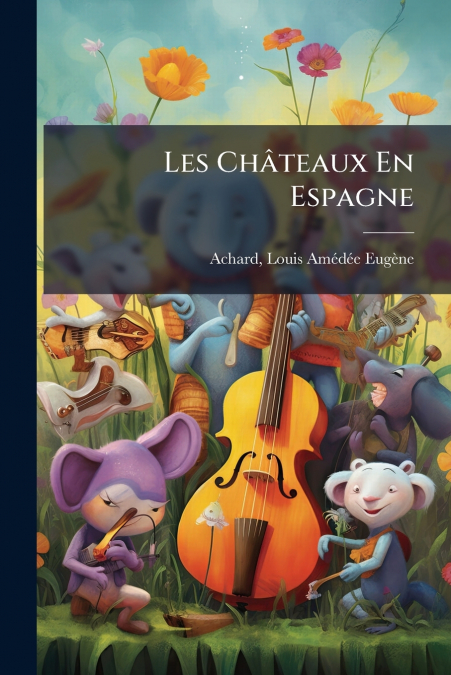
Les Châteaux En Espagne: Contes Et Nouvelles is a captivating collection of short stories that exemplifies 19th-century French literature. Penned by Louis Amédée Eugène Achard, this anthology offers a glimpse into the social mores, cultural nuances, and artistic sensibilities of the era. Each story is a carefully crafted gem, reflecting the literary trends and the rich tapestry of French society during the mid-1800s. Achard’s masterful storytelling and keen observations make this collection a valuable addition to any literary enthusiast’s library. These tales transport the reader to a bygone era, showcasing the enduring power of French narrative tradition. Perfect for students of French literature or anyone with an appreciation for classic short stories, 'Les Châteaux En Espagne' remains a testament to Achard’s talent and the timeless appeal of French storytelling.This work has been selected by scholars as being culturally important, and is part of the knowledge base of civilization as we know it. This work was reproduced from the original artifact, and remains as true to the original work as possible. Therefore, you will see the original copyright references, library stamps (as most of these works have been housed in our most important libraries around the world), and other notations in the work.This work is in the public domain in the United States of America, and possibly other nations. Within the United States, you may freely copy and distribute this work, as no entity (individual or corporate) has a copyright on the body of the work.As a reproduction of a historical artifact, this work may contain missing or blurred pages, poor pictures, errant marks, etc. Scholars believe, and we concur, that this work is important enough to be preserved, reproduced, and made generally available to the public. We appreciate your support of the preservation process, and thank you for being an important part of keeping this knowledge alive and relevant.





