Inicio > Derecho > Teoría general del derecho > Le Nouveau Constitutionnalisme et les Crises Politiques en Afrique Noire Francophone
Le Nouveau Constitutionnalisme  et les Crises Politiques en Afrique  Noire Francophone

Le Nouveau Constitutionnalisme et les Crises Politiques en Afrique Noire Francophone

Ghislain DJEUDJO DJEUJO

126,16 €
IVA incluido
Disponible
Editorial:
Eliva Press
Año de edición:
2026
Materia
Teoría general del derecho
ISBN:
9789999341332
126,16 €
IVA incluido
Disponible

Selecciona una librería:

  • Librería Samer Atenea

  • Kálamo Books
  • Librería Elías (Asturias)
  • Librería Kolima (Madrid)
  • Librería Proteo (Málaga)

La démocratie n’est jamais acquise une fois pour toute. Elle se construit sans cesse. Les États africains, à l’instar des pays qui font l’objet de l’analyse, font face à la problématique des crises politiques. En effet, la pratique politique dans les pays d’Afrique francophone, ces trente dernières années, s’apparente à une histoire qui commence bien et se termine mal. Du moins si l’on apprécie la dialectique du constitutionnalisme et de la pratique politique. La mise en relation du nouveau constitutionnalisme et des crises politiques a pour le chercheur plusieurs vertus. Question nouvelle du droit public, cette relation se présente comme un rapport circulaire. Le nouveau constitutionnalisme en Afrique est suivant plusieurs formules, tantôt célébré, tantôt critiqué. Il faut admettre que les situations de crise politique font l’objet d’un effort de régulation par le nouveau constitutionnalisme en Afrique noire francophone. L’analyse est parvenue à cette hypothèse au moyen d’une démarche intégrant les dimensions théoriques et pratiques. Cette régulation emprunte tantôt la voie de la prévention, tantôt celle de la résolution. Dans le premier cas, la production de la norme constitutionnelle s’inscrit dans un processus inclusif qui consiste non pas seulement a entérimer une normalité sociétale, mais aussi à la modeler. Ainsi, porté par un cadre normatif et institutionnel de prévention des crises, le nouveau constitutionnalisme apparait tout à la fois comme un outil de consolidation de l’État de droit et le reflet d’une démocratie apaisée. Il permet d’assurer la cohésion sociale, la continuité de l’État, ainsi que la résistance à la crise politique. L’analyse permet d’en évaluer son efficacité car il doit se garder de tout triomphalisme. Dans le second cas, le nouveau constitutionnalisme présente des moyens non juridictionnels et juridictionnels de résolution de la crise politique. Aussi, à l’épreuve des situations de crise politique, il aboutit logiquement à l’abolition des frontières entre les ordres juridiques nationaux. Au bout du compte, le nouveau constitutionnalisme n’est pas loin de sa revitalisation car il doit vivre au rythme des droits fondamentaux.

Artículos relacionados

  • EU General Data Protection Regulation (GDPR)
    IT Governance Privacy Team
    An in-depth guide to complying with the EU GDPR.Now in its second edition, EU GDPR – An Implementation and Compliance Guide is a clear and comprehensive guide to this new data protection law, providing a detailed commentary on the Regulation, and setting out the obligations of data  processors and controllers in clear and comprehensible terms.Read this book to learn: How the ...
    Disponible

    33,34 €

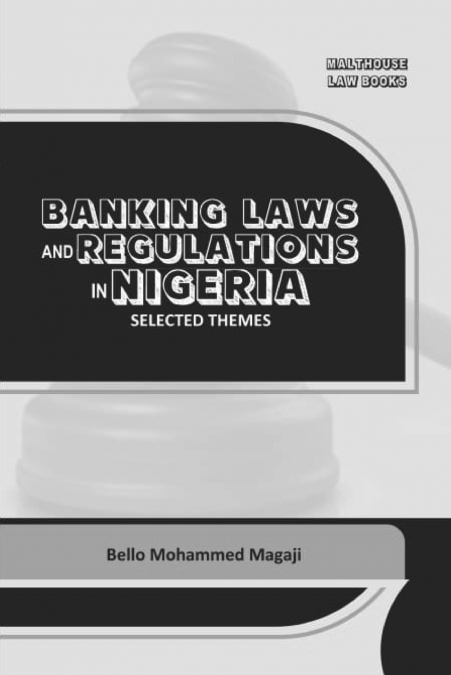
  • Banking Laws and Regulations in Nigeria
    Bello Mohammed Magaji
    Banking Law and Regulations in Nigeria: Selected Themes essentially deals with the laid down rules or code of conduct meant to control and set standards for banking business. Indeed, the main aim of the ongoing banking reforms in Nigeria, started in 2004, is to ensure banks’ conformity to the laid down banking rules and regulations. The eleven-chapter book contains vital and ri...
    Disponible

    46,32 €

  • States and the Interpretation of Treaties
    Dimitris Liakopoulos
    States and the Interpretation of Treaties opens with a provocative reconsideration of a debate on the subject of comparative international legal obligations by the United Nations’s International Law Commission. In this book, distinguished Tufts University legal scholar Dimitris Liakopoulos identifies and explores relevant considerations in the work of the Commission and offers ...
  • The role of customs in international treaties
    Dimitris Liakopoulos
    The Role of Customs in International Treaties concentrates on issues of friction between member states of the United Nations. In view of the role played by the United Nations in resolving international disputes, Dimitris Liakopoulos hypothesizes that 'practical guides' based on custom often catalyze the positions taken by states, courts, scholars, and other actors, constituting...
  • Debtor protection in American and European Union bankruptcy law
    Dimitris Liakopoulos
    In Debtor Protection in American and European Union Bankruptcy Law, international law scholar Dimitris Liakopulos raises a delicate issue at the foundations of the modern banking system by analyzing US bankruptcy law with a focus on the concept of automatic stay. His work identifies legal sources and authorities having repercussions in terms of operational protection. It then e...
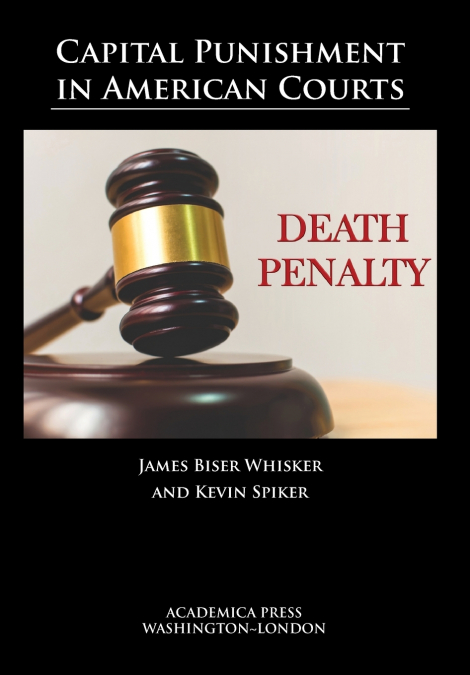
  • Capital punishment in American courts
    James Biser Whisker / Kevin Spiker
    In the 400 years since the first known execution was carried out for treason in Virginia, American jurisdictions have debated both the appropriateness and methods of capital punishment. Over that time, courts have placed varying restrictions on its application, excluding categories of citizens (for example the insane or the underaged) and evaluating and excluding methods of exe...