
Inicio > Lenguas > Lingüistica > Language in Flux
Language in Flux

Language in Flux


39,35 €
IVA incluido
Disponible
Editorial:
College Publications
Año de edición:
2008
Materia
Lingüistica
ISBN:
9781904987963
39,35 €
IVA incluido
Disponible

Selecciona una librería:

  • Librería Samer Atenea
  • Librería Aciertas (Toledo)
  • Kálamo Books
  • Librería Perelló (Valencia)
  • Librería Elías (Asturias)
  • Donde los libros
  • Librería Kolima (Madrid)
  • Librería Proteo (Málaga)

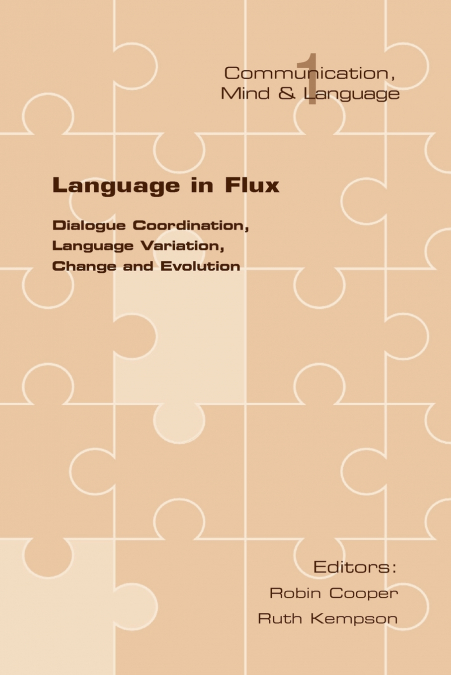
The papers in this collection present a view of language as an evolving system within which flexibility is systemic and subject to progressive change, driven by pressures of every-day coordinative action as in conversational dialogue. As these papers demonstrate, these pressures provide a force for variation, hence for adaptation, and change. Topics covered include formal and game-theoretical models of evolution, diachronic studies of change (semantic, syntactic, lexical) and the role of dialogue factors in promoting such change, psycholinguistic experimental methods probing the nature of coordination in both language and non-language based interaction, formal modelling of dialogue, and probabilistic studies of language variation. Authors include highly influential researchers: Joan Bresnan, Devyani Sharma and Ashwini Deo; Robin Cooper and Aarne Ranta; Ronnie Cann and Ruth Kempson; Miriam Bouzouita; Jonathan Ginzburg and Zoran Macura; Patrick Healey; Gerhard Jaeger; Simon Kirby, Hannah Cornish and Kenny Smith; Staffan Larson; Elizabeth Traugott. Together these papers present a cross-disciplinary synergy reflecting the view that human linguistic behaviour is essentially coordinative, and, within this general perspective, that language is a system of intrinsic flexibility, hence perpetually in a state of flux.This view involves a radical shift in assumptions away from the traditional view that language competence is a static system relative to which the dynamics of language performance has to be defined; and each paper, in its own way, explores what is involved in modifying such a clear-cut division.
Artículos relacionados

  • User-Centered Computer Aided Language Learning
    Giorgos Zacharia / Panayiotis Zaphiris
    ...
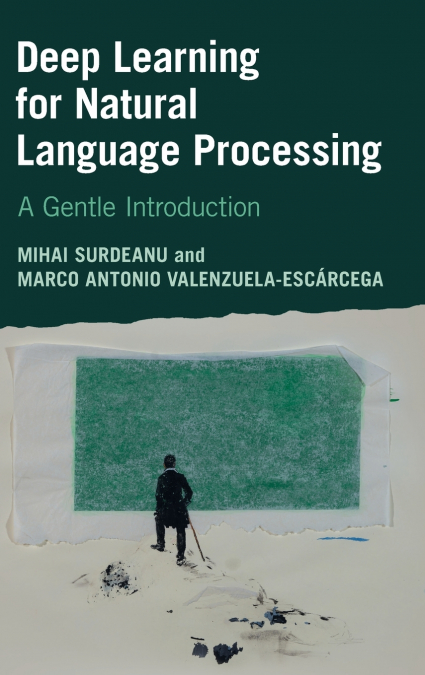
  • Deep Learning for Natural Language Processing
    Marco Antonio Valenzuela-Escárcega / Mihai Surdeanu
    ...
    Disponible

    47,60 €

  • Deep Learning for Natural Language Processing
    Marco Antonio Valenzuela-Escárcega / Mihai Surdeanu
    ...
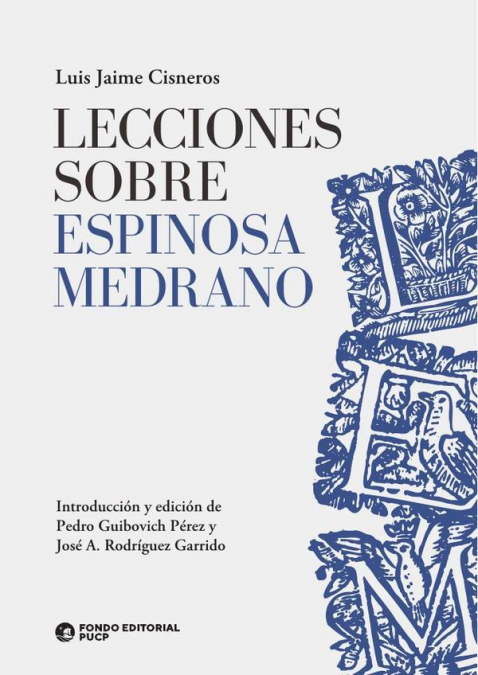
  • Lecciones sobre espinosa medrano
    Luis Jaime Cisneros Vizquerra
    La obra de Juan de Espinosa Medrano, apodado en su tiempo «El Lunarejo» (c. 1629-1688), fue uno de los mayores focos de interés académico de Luis Jaime Cisneros (1921-2011). En 1980 aparecieron sus primeros trabajos dedicados a estudiar los textos capitales de Espinosa Medrano (el Apologético en favor de don Luis de Góngora, la Panegírica declamación por la protección de las ci...
    Disponible

    17,63 €

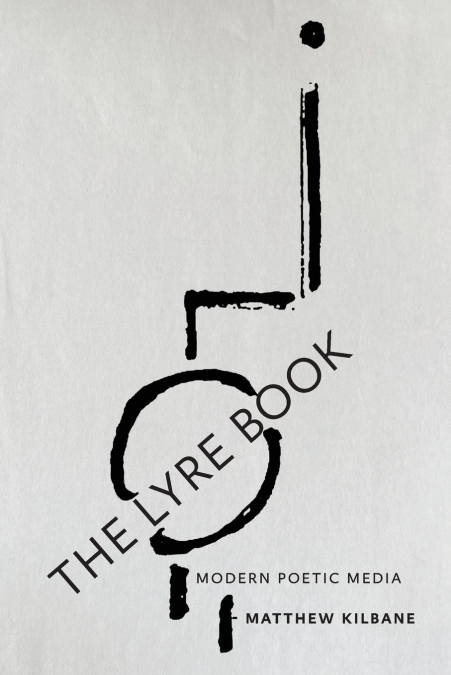
  • Lyre Book
    Matthew Kilbane
    Redefines modern lyric poetry at the intersection of literary and media studies.In The Lyre Book, Matthew Kilbane urges literary scholars to consider lyric not as a genre or a reading practice but as a media condition: the generative tension between writing and sound. In addition to clarifying issues central to the study of modern poetry--including its proximity to popular song...
    Disponible

    50,84 €

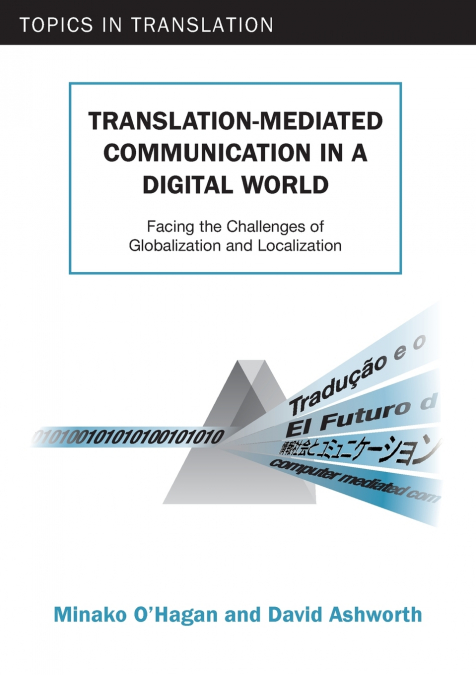
  • Translation-mediated Communication in a Digital World
    David Ashworth / Minako O’Hagan
    The Internet is accelerating globalization by exposing organizations and individuals to global audiences. This in turn is driving teletranslation and teleinterpretation, new types of multilingual support, which are functional in digital communications environments. The book describes teletranslation and teleinterpretation by exploring a number of key emerging contexts for langu...
    Disponible

    45,19 €