
Inicio > Derecho > Derecho internacional > L’accordo di Parigi e le sue ripercussioni sull’Algeria
L’accordo di Parigi e le sue ripercussioni sull’Algeria

L’accordo di Parigi e le sue ripercussioni sull’Algeria

Anissa Ghezloun

81,99 €
IVA incluido
Disponible
Editorial:
KS OmniScriptum Publishing
Año de edición:
2026
Materia
Derecho internacional
ISBN:
9786630442434
81,99 €
IVA incluido
Disponible

Selecciona una librería:

  • Librería Samer Atenea

  • Kálamo Books
  • Librería Elías (Asturias)
  • Librería Kolima (Madrid)
  • Librería Proteo (Málaga)

I 196 paesi membri della Convenzione quadro delle Nazioni Unite sui cambiamenti climatici sono riusciti ad adottare un primo accordo storico e universale dopo due settimane di intense trattative. L’accordo, entrato in vigore il 4 novembre 2016, mira a limitare il riscaldamento globale entro la fine di questo secolo ben al di sotto dei 2 °C, proseguendo al contempo gli sforzi per non superare 1,5 °C. Ciascuna Parte stabilisce, comunica e aggiorna i successivi contributi determinati a livello nazionale che intende realizzare. Le Parti adottano misure interne di mitigazione al fine di raggiungere gli obiettivi di tali contributi. Il CPDN (contributo previsto determinato a livello nazionale) provvisorio dell’Algeria è stato elaborato tenendo conto della congiuntura finanziaria ed economica particolarmente difficile che il Paese sta attraversando, a causa del notevole calo dei prezzi degli idrocarburi. L’Algeria intende posizionarsi come attore di primo piano nella produzione di energia elettrica da impianti solari fotovoltaici ed eolici, che costituiranno i motori di uno sviluppo economico sostenibile.
Artículos relacionados

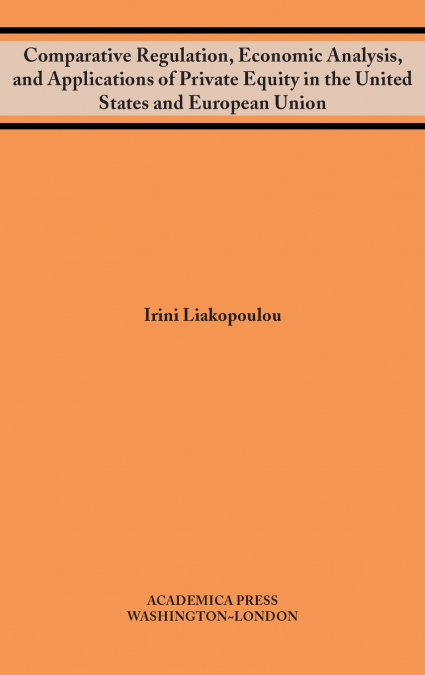
  • Comparative regulation, economic analysis, and applications of private equity in the united states and european union
    Irini Liakopoulou
    The present work examines the economics and legal doctrine of private equity. After a consideration of private equity’s origins, the book will explore the evolution of private equity in the United States and Europe. The reference economic model then will be reconstructed, with particular attention to financial flows to and from private equity firms and funds. This reconstructio...
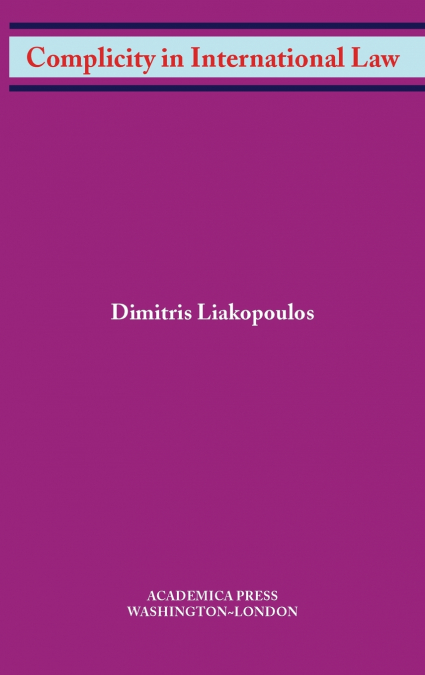
  • Complicity in International Law
    Dimitris Liakopoulous
    Complicity in International Law aims to analyze questions arising from a state’s complicity in conflict with another state or an international organization. On the basis of international legal provisions, a state that assists the illicit fact of another state or an international organization in turn commits an offense if it is aware of the main fact and is bound by the same obl...
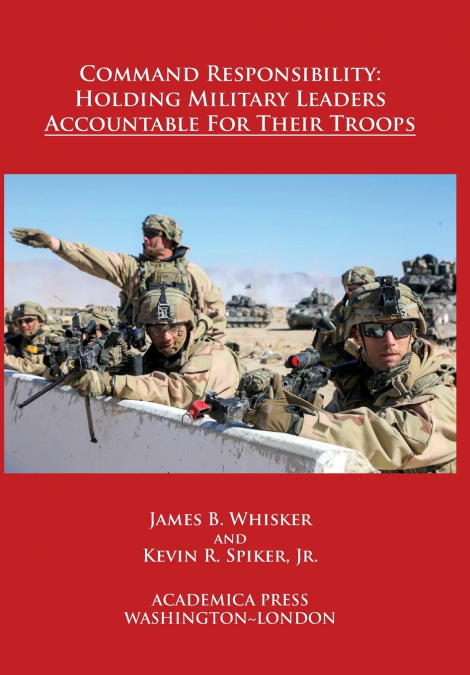
  • Command responsibility
    James B Whisker / Kevin R Spiker
    Command responsibility, or executive accountability, assumes that leaders are responsible for the actions of their subordinates. If subordinates misbehave, violate basic moral laws, transgress international law, or thwart international standards of behavior, their leader may be called before to justice. Standards that set the boundaries of human action have been evolving for ma...
  • International Organizations and Reparations
    Dimitris Liakopoulos
    In the first part of this book, noted legal scholar Dimtris Liakopoulos deals with reconstructing the legal regulatory framework governing human rights violations in the activities of organizations. After identifying rules that are generally applicable to organizations’ offenses and govern the profile of reparations, this study assesses primary rules that guarantee the right to...
  • International Organizations and Legal Sanctions Against Governments
    Dimitris Liakopoulos
    This book examines the relationship between governments and international organizations under international law. After surveying the policing powers of international organizations under international law, it illustrates some normative aspects of law that distinguish regulation from enforcement via study of recent legal cases before international judicial bodies. According to Di...
  • The EU Foreign Subsidies Regulation
    Andreas Reindl / Isabelle Van Damme
    'The EU Foreign Subsidies Regulation' is a pioneering manual authored by legal experts Andreas Reindl and Isabelle Van Damme. This essential guide, the first of its kind, is tailored for legal practitioners, offering a thorough exploration of the tools and mechanisms embedded within this novel European regulatory framework. The authors meticulously dissect the EU Foreign Subsid...

Otros libros del autor

  • Das Pariser Abkommen und seine Auswirkungen auf Algerien
    Anissa Ghezloun
    Den 196 Mitgliedstaaten der Klimarahmenkonvention der Vereinten Nationen ist es nach zwei Wochen intensiver Verhandlungen gelungen, ein erstes historisches und universelles Abkommen zu verabschieden. Das am 4. November 2016 in Kraft getretene Abkommen zielt darauf ab, die globale Erwärmung bis zum Ende dieses Jahrhunderts deutlich unter 2 °C zu begrenzen und gleichzeitig die Be...
    Disponible

    81,99 €

  • L’accord de Paris et ses répercussions sur l’Algérie
    Anissa Ghezloun
    The 196 member countries of the United Nations Framework Convention on Climate Change succeeded in adopting a historic, universal agreement after two weeks of intense negotiations. The agreement, which entered into force on November 4, 2016, aims to limit global warming by the end of this century to well below 2°C while pursuing efforts to limit it to 1.5°C. Each Party shall fo...
    Disponible

    81,92 €

  • Porozumienie paryskie i jego konsekwencje dla Algierii
    Anissa Ghezloun
    196 państw-członków Ramowej konwencji Narodów Zjednoczonych w sprawie zmian klimatu zdołało przyjąć pierwsze w historii powszechne porozumienie po dwóch tygodniach intensywnych negocjacji. Porozumienie, które weszło w życie 4 listopada 2016 r., ma na celu ograniczenie ocieplenia klimatu do końca tego stulecia znacznie poniżej 2°C, przy jednoczesnym kontynuowaniu wysiłków zmierz...
    Disponible

    81,99 €

  • O Acordo de Paris e as suas repercussões na Argélia
    Anissa Ghezloun
    Os 196 países membros da Convenção-Quadro das Nações Unidas sobre as Alterações Climáticas conseguiram adotar um primeiro acordo histórico e universal após duas semanas de negociações intensas. O acordo, que entrou em vigor a 4 de novembro de 2016, visa limitar o aquecimento global até ao final deste século a um nível bem abaixo dos 2 °C, prosseguindo simultaneamente os esforço...
    Disponible

    81,99 €