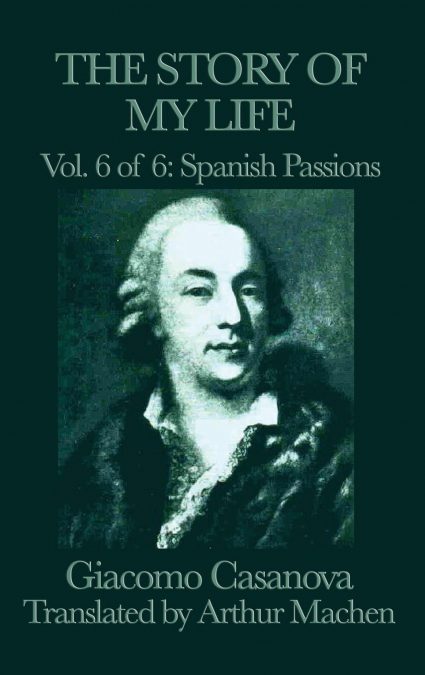
?Tienne Bonnot De Condillac / Etienne Bonnot de Condillac
 Librería Samer Atenea
 Kálamo Books
 Librería Elías (Asturias)
 Librería Kolima (Madrid)
 Librería Proteo (Málaga)
La Lógica, Ó, Los Primeros Elementos Del Arte De Pensar, by Étienne Bonnot de Condillac, is a foundational work exploring the principles of logic and reasoning. Approved by the Board of Directors of the Palatine Schools, this book offers an accessible introduction to the art of thinking. Condillac presents logic as a practical tool, guiding readers through the essential elements needed to develop clear and effective thought processes. This treatise aims to cultivate intellectual rigor, providing a framework for understanding and applying logical principles in various contexts.Its enduring value lies in its systematic approach to logic, making it an indispensable resource for students, educators, and anyone seeking to enhance their analytical skills. This edition preserves the original intent and content, offering a valuable glimpse into the philosophical and educational landscape of its time.This work has been selected by scholars as being culturally important, and is part of the knowledge base of civilization as we know it. This work was reproduced from the original artifact, and remains as true to the original work as possible. Therefore, you will see the original copyright references, library stamps (as most of these works have been housed in our most important libraries around the world), and other notations in the work.This work is in the public domain in the United States of America, and possibly other nations. Within the United States, you may freely copy and distribute this work, as no entity (individual or corporate) has a copyright on the body of the work.As a reproduction of a historical artifact, this work may contain missing or blurred pages, poor pictures, errant marks, etc. Scholars believe, and we concur, that this work is important enough to be preserved, reproduced, and made generally available to the public. We appreciate your support of the preservation process, and thank you for being an important part of keeping this knowledge alive and relevant.