
La fin du mandat présidentiel en Afrique

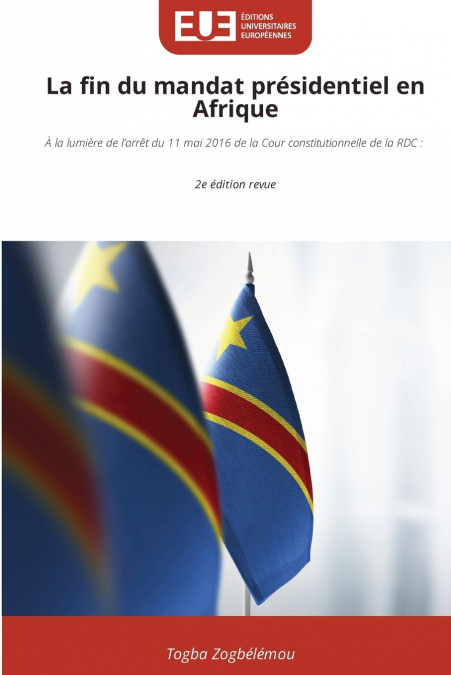
La fin du mandat présidentiel en Afrique

Togba Zogbélémou

106,74 €
IVA incluido
Disponible
Editorial:
KS OmniScriptum Publishing
Año de edición:
2026
Materia
Economía política
ISBN:
9786209386985
106,74 €
IVA incluido
Disponible

Selecciona una librería:

  • Librería Samer Atenea

  • Kálamo Books
  • Librería Elías (Asturias)
  • Librería Kolima (Madrid)
  • Librería Proteo (Málaga)

La Cour constitutionnelle de la RDC a rendu, le 11 mai 2016, un arrêt interprétant l’article 70 al. 2 de la constitution de 2006 : selon la Cour, le Président Joseph Kabila peut rester en fonction jusqu’à l’installation de son successeur qui n’est pas encore élu. En fin de mandat, la constitution conditionne le maintien en fonction du Président en exercice à l’élection de son successeur, dans le délai constitutionnel (article 73 de la constitution). Dès lors, le Président Joseph Kabila n’ayant pas fait organiser le scrutin présidentiel avant la fin, le 19 décembre 2016, de son second et dernier mandat entamé en décembre 2011, la Cour constitutionnelle aurait dû déclarer la vacance de la présidence de la République et confier l’intérim au Président du Sénat (articles 75 et 76 de la constitution). Aussi, l’ajournement en 2016 sans date de l’élection présidentielle a eu pour conséquence la prorogation d’un mandat présidentiel expiré. Par son arrêt interprétatif, la Cour constitutionnelle a procédé à une révision déguisée de la constitution en permettant ainsi un contournement de la limitation du nombre de mandats présidentiels de l’article 70 al. 1er de la constitution congolaise.
Artículos relacionados

  • Private Affluence and Public Squalor
    Paul L L Nevins / Paul L Nevins
    Are the values that Americans collectively hold destroying the American Dream? The answer to that question depends upon the answers to some very specific questions. What do we as citizens of the United States believe we owe to one another as citizens? What is the purpose of government? What is of the role of the private enterprise? What is the meaning of equal opportunity? To w...
    Disponible

    25,91 €

  • Of Privacy and Power
    Abraham L. Newman / Henry Farrell
    How disputes over privacy and security have shaped the relationship between the European Union and the United States and what this means for the futureWe live in an interconnected world, where security problems like terrorism are spilling across borders, and globalized data networks and e-commerce platforms are reshaping the world economy. This means that states’ jurisdictions ...
    Disponible

    33,25 €

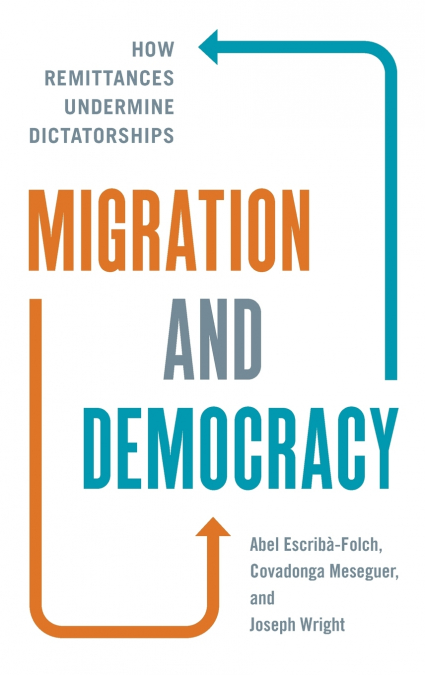
  • Migration and Democracy
    Abel Escribà-Folch / Covadonga Meseguer / Joseph Wright
    How remittances-money sent by workers back to their home countries-support democratic expansionIn the growing body of work on democracy, little attention has been paid to its links with migration. Migration and Democracy focuses on the effects of worker remittances-money sent by migrants back to their home countries-and how these resources shape political action in the Global S...
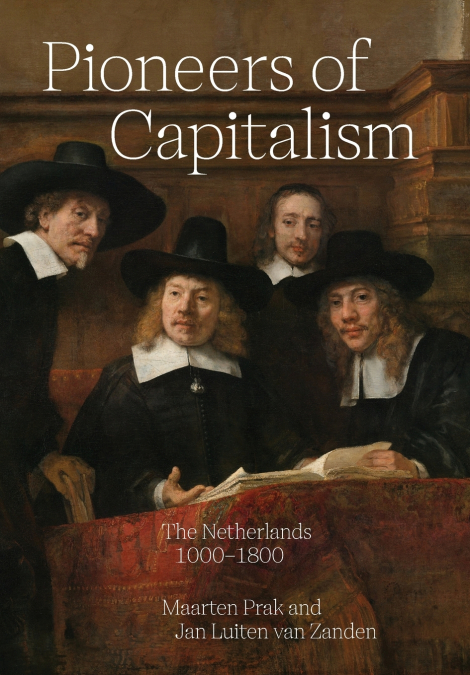
  • Pioneers of Capitalism
    Jan Luiten van Zanden / Maarten Prak / Ian Cressie
    How medieval Dutch society laid the foundations for modern capitalismThe Netherlands was one of the pioneers of capitalism in the Middle Ages, giving rise to the spectacular Dutch Golden Age while ushering in an era of unprecedented, long-term economic growth. Pioneers of Capitalism examines the formal and informal institutions in the Netherlands that made this economic miracle...
  • Pillars of Prosperity
    Timothy Besley / Torsten Persson
    How nations can promote peace, prosperity, and stability through cohesive political institutions'Little else is required to carry a state to the highest degree of opulence from the lowest barbarism, but peace, easy taxes, and a tolerable administration of justice; all the rest being brought about by the natural course of things.' So wrote Adam Smith a quarter of a millennium ag...
    Disponible

    74,50 €

  • Luxury Fever
    Robert H. Frank
    The turn of the twenty-first century witnessed a spectacular rise in gross consumption. With the super-rich setting the pace, everyone spent furiously in a desperate attempt to keep up. As cars and houses grew larger and more expensive, the costs were enormous--not only monetarily but also socially. Consumers spent more time at work and less time with their family and friends; ...
    Disponible

    39,66 €