
Inicio > Sociedad y ciencias sociales > Psicología > La Ferita della Conoscenza
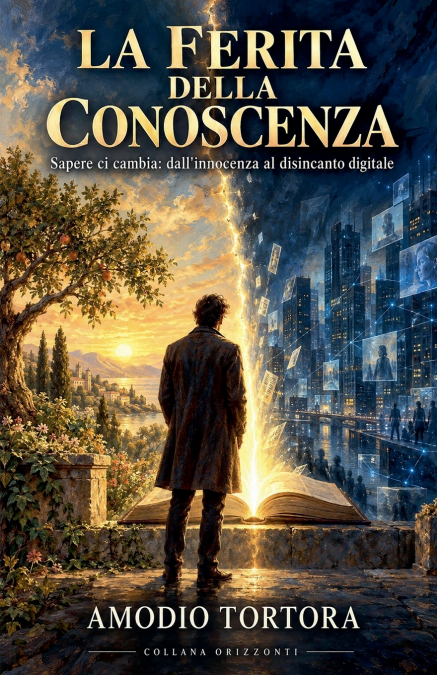
La Ferita della Conoscenza

La Ferita della Conoscenza

Amodio Tortora

16,61 €
IVA incluido
Consulta disponibilidad
Editorial:
Self-Publishing
Año de edición:
2026
Materia
Psicología
ISBN:
9798237687804

Selecciona una librería:

  • Librería Samer Atenea

  • Kálamo Books
  • Librería Elías (Asturias)
  • Librería Kolima (Madrid)
  • Librería Proteo (Málaga)

Conoscere è spesso considerato un bene senza ambiguità. Sapere significa comprendere, orientarsi, scegliere meglio, sottrarsi all’inganno e ampliare la propria libertà. Eppure esistono conoscenze che non si limitano ad aggiungere qualcosa a ciò che già sappiamo: cambiano il modo in cui vediamo il mondo, gli altri e noi stessi. Dopo certe scoperte, nulla è materialmente diverso e tuttavia tutto appare diverso. Una diagnosi, una confessione o un ricordo reinterpretato possono trasformare il significato di ciò che è già accaduto e modificare ciò che immaginiamo possibile per il futuro.Questo libro nasce da una tesi semplice nelle parole, ma difficile nelle conseguenze: non è necessariamente la verità a renderci infelici; è l’impossibilità di tornare alla persona che eravamo prima di conoscerla. Alcune forme di sapere producono una soglia di irreversibilità. Possiamo accettare ciò che abbiamo scoperto, elaborarlo, persino trasformarlo in una risorsa; più difficile è recuperare integralmente la condizione mentale precedente. Una volta incrinata una convinzione fondamentale, il mondo continua a esistere, ma non può più essere abitato nello stesso modo.Da qui l’immagine della conoscenza come ferita: non una condanna del sapere, ma una trasformazione che lascia traccia dentro di noi. L’innocenza, in queste pagine, non coincide con ignoranza o mancanza di cultura. È una forma di ordine: il periodo in cui alcune contraddizioni non sono ancora entrate nel nostro orizzonte e possiamo costruire identità, relazioni e aspettative senza doverle integrare. Quando una nuova verità interviene, anche il passato viene riletto, perché eventi già vissuti acquistano significati diversi.Il percorso attraversa mito, letteratura, psicologia, filosofia, scienza e cultura digitale. Dal frutto proibito a Prometeo, da Orfeo a Edipo e Faust, le grandi narrazioni occidentali hanno rappresentato il sapere come desiderio e insieme come rischio. Un equilibrio viene spezzato da un enigma, una ricerca conduce a una rivelazione, e ciò che conta è la persona che rimane dopo la scoperta.La stessa ambivalenza riappare nella modernità scientifica. Conoscere significa acquisire potere sul mondo, ma ogni nuova capacità apre responsabilità e dilemmi imprevisti. La medicina può prevedere prima di poter curare; la tecnica può aumentare la libertà e insieme gli strumenti di controllo; la memoria digitale può conservare ciò che un tempo sarebbe scomparso. Con l’età dell’informazione il problema si rovescia: non dobbiamo più soltanto chiederci come ottenere conoscenza, ma come vivere quando l’informazione è continuamente disponibile.Notizie, notifiche, immagini, statistiche, diagnosi, confronti e tracce del passato entrano con facilità nella vita quotidiana. Possiamo sapere molto più di quanto siamo in grado di elaborare. Avere accesso a un dato non significa averne colto il senso, e comprenderlo non significa ancora sapere come integrarlo nella propria vita.La questione conclusiva non è dunque se sia meglio sapere o non sapere. Il problema è che cosa dobbiamo diventare per riuscire a convivere con ciò che sappiamo. La maturità non consiste nel liberarsi di ogni illusione fino a ridurre il mondo al cinismo, né nel proteggersi da ogni verità. Consiste forse nella capacità di mantenere il desiderio senza trasformarlo in certezza, la fiducia senza confonderla con cecità, la speranza senza pretendere garanzie.La cicatrice diventa allora l’immagine concreta di questo passaggio: è la forma assunta dalla continuità dopo una trasformazione. Così alcune conoscenze rimangono dentro di noi: non come condanne, ma come segni di un passaggio. Non possiamo tornare del tutto a chi eravamo prima. Possiamo però imparare a vivere, scegliere e immaginare il futuro a partire da ciò che ormai sappiamo.
Artículos relacionados

  • Drinkers of Infinity
    Arthur Koestler
    This selection of essays, book-reviews, broadcast talks and papers delivered to learned societies reflects the extraordinary breadth of Arthur Koestler’s interests. From the trial of Galileo to the pleasures of canoeing down the Loire, from a detailed examination of the ‘memory’ of flatworms to an equally detailed examination of the futility of quarantining dogs, the author wri...
    Disponible

    17,24 €

  • Gordy the Rabbit has ADHD
    Jessie Shepherd
    Often when people are given a mental health disorder diagnosis the weaknesses are clear and overwhelmingly emphasized, while the strengths are ignored or forgotten. The mental health children's book series 'What Mental Disorder?' challenges the stigma against therapy and diagnosis. It enlists the reader to view the character as a whole being and not as a mental issu...
    Disponible

    16,30 €

  • The Paradoxical Ego
    Eugene Halliday / Zhu Kabere
    Three particular themes are basic to this study. First, that the human race and its environment are involved in a slowly progressive process of revelation and understanding of its inherent features; and that we are all participating in this ongoing evolutionary cycle. Second, and closely related to the first tenet, man is not separable from his environment. We all share in this...
    Disponible

    14,56 €

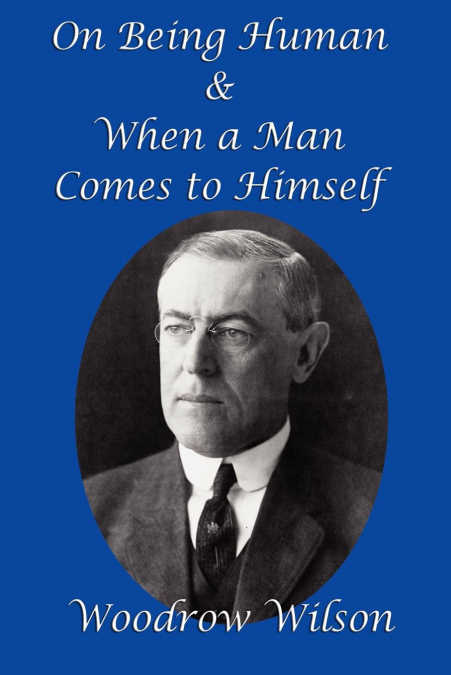
  • On Being Human and When a Man Comes to Himself
    Woodrow Wilson
    Before he became the 28th President of the United States (1913-21), the 34th Governor of New Jersey (1911-13), or even the 13th President of Princeton University (1902-10), Woodrow Wilson (1856-1924) was a scholar and professor. In 1885, he received his Ph.D. in history and political science from Johns Hopkins University, and in 1897, he was granted tenure at Princeton Universi...
    Disponible

    8,89 €

  • Bridge Over The River Why
    David Cooper / Deborah Cooper
    'In Bridge Over the River Why, the Coopers have succeeded in a dual task documenting their own journey through the grief of losing their son Eli by suicide, while at the same time providing a valuable resource for anyone who has had to face the same terrible tragedy. They start with the premise that 'doing and feeling' are the key components of moving forward and have a core me...
  • Extraordinary Leadership
    Cher Holton
    This transformational leadership book, grounded in state-of-the-art research and proven by real-life application in the trenches, moves beyond traditional leadership theories to introduce you to seven incredible Core Abilities and shows you how to connect with them to become an Extraordinary Leader who can bring out the very best in your people.All the techniques in the world w...
    Disponible

    23,85 €

Otros libros del autor

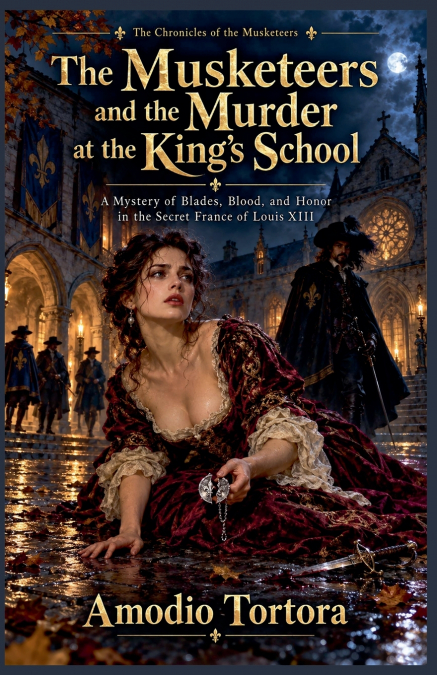
  • The Musketeers and the Murder at the King’s School
    Amodio Tortora
    In the autumn of 1627, while Paris lives under Richelieu’s power, Aramis receives an unexpected letter from Béatrice de Valombre, an austere widow and an old acquaintance, now the editor of a small devotional periodical. The letter carries the trembling voice of Madeleine Rouvier, wife of Étienne, a fencing instructor at the Royal School of Young Musketeers of Saint-Martin-de-A...
  • The Musketeers and the Black Sun of France
    Amodio Tortora
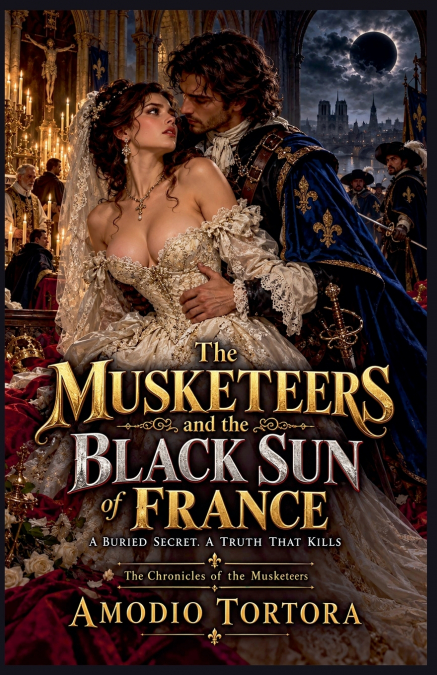
    On May 5, 1635, Paris should have awakened to a festive morning: in the chapel of Saint-Roch, Armand de Valcour is about to marry Isabelle de Brévannes. At his side stand Athos, Porthos, Aramis, and d’Artagnan, ready to watch over the wedding and their friendship. But dawn never comes. The sky remains sealed beneath an unnatural darkness, without stars or the faintest glimmer o...
  • The Musketeers and Richelieu’s Black Gospel
    Amodio Tortora
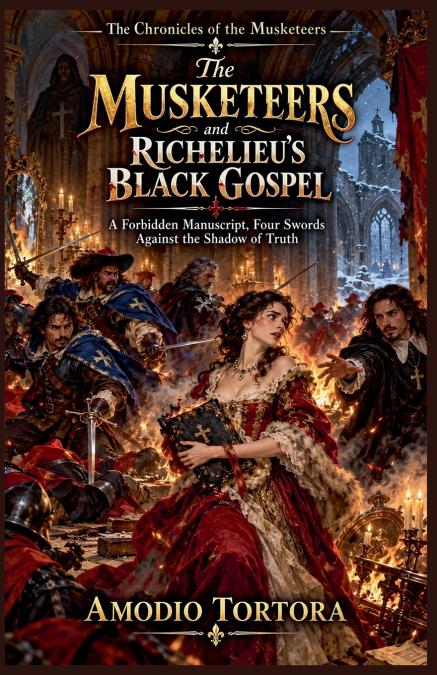
    In the winter of 1627, a Paris silenced beneath the snow is disturbed by an impossible death. In the monastery of the Black Canons, a copyist is found slumped over his writing desk, his fingers blackened by ink that seems to have penetrated his flesh, and a Latin phrase carved into the wood: truth was buried before the Cross. The incident immediately comes to the attention of C...
  • The Iron Leviathan
    Amodio Tortora
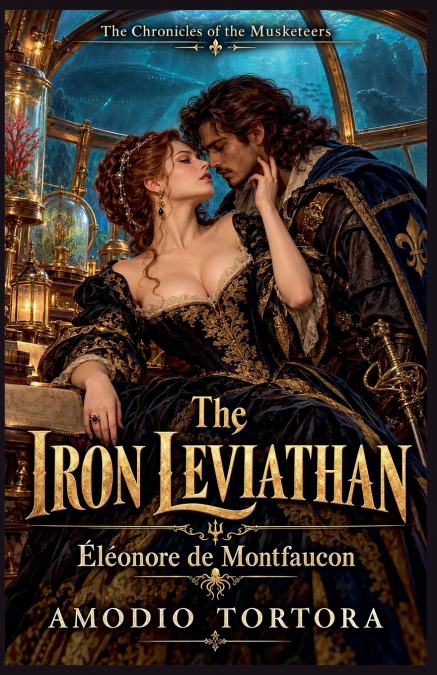
    In the year 1627, while the France of Louis XIII is torn apart by religious wars and court rivalries, a mysterious terror begins to spread along the Atlantic shipping routes. Merchant ships, Spanish galleons, and French vessels are found torn open or sunk, and the few survivors tell of an impossible creature: a monster of steel, black and gleaming, capable of rising from the wa...
  • The Musketeers and the Children of Ash
    Amodio Tortora
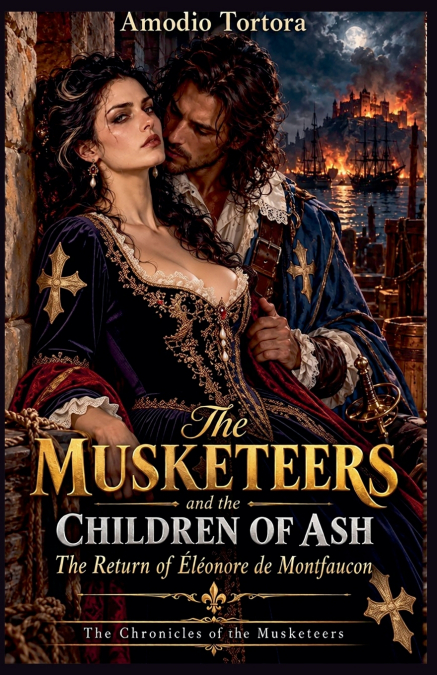
    During the siege of La Rochelle, on a night thick with fog, hunger, and the smell of rotting seawater, a royal patrol discovers that something is moving beneath the old arsenal. From the sealed tunnels emerge figures that should be dead: gray, hollowed-out men, impervious to blades and muskets, capable of falling and rising again as though death no longer held any power over th...
  • The Black Heart of the Sea
    Amodio Tortora
    In the somber France of the seventeenth century, Éléonore de Montfaucon lives in hiding among the salt marshes of Guérande, in a house without coats of arms, her body ravaged by black vitro: a mysterious substance that has bound her to the abyss and calls to her every night from the depths of the sea. When her elderly servant Jérôme delivers a bundle left by her father before h...