
Inicio > Humanidades > Filosofía > La discusión Carnap-Heidegger: Lenguaje, lógica y la legitimidad de la pregunta por el Ser
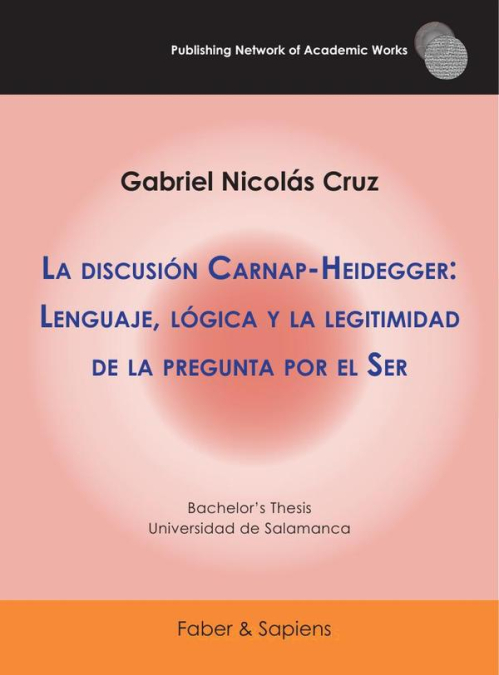
La discusión Carnap-Heidegger: Lenguaje, lógica y la legitimidad de la pregunta por el Ser

La discusión Carnap-Heidegger: Lenguaje, lógica y la legitimidad de la pregunta por el Ser

Gabriel Nicolás Cruz

14,00 €
IVA incluido
Disponible
Editorial:
APEIRON
Año de edición:
2022
Materia
Filosofía
ISBN:
9788412535037
14,00 €
IVA incluido
Disponible

Selecciona una librería:

  • Librería Samer Atenea

  • Kálamo Books
  • Librería Elías (Asturias)
  • Librería Kolima (Madrid)
  • Librería Proteo (Málaga)

En el presente trabajo se reconstruye la discusión entre Carnap y Heidegger en torno a los límites del lenguaje y el problema de la metafísica con el objetivo de mostrar cómo desde los presupuestos filosóficos que estos manejan se puede establecer una confrontación clara que rompa con la supuesta incomunicabilidad entre las tradiciones «analítica» y «continental». Para esto, se plantea cómo entran en conflicto las concepciones que estos autores tienen sobre el lugar del lenguaje y de la lógica, ubicando la cuestión bajo una de las dicotomías fundamentales del Giro lingüístico del siglo xx, a saber, la que opone a quienes entienden el lenguaje como un cálculo y a los que lo entienden como medio universal. Como resultado de esta indagación, se defiende que Heidegger posee en los principios de su filosofía un tratamiento del lenguaje y una interpretación de la metafísica que le permiten responder de manera consistente y crítica al ataque realizado por Carnap en su famoso artículo de superación de la metafísica de 1931.

Artículos relacionados

  • Introduction to a Future Way of Thought
    Kostas Axelos / Kenneth Mills
    'Technologists only change the world in various ways in generalized indifference; the point is to think the world and interpret the changes in its unfathomability, to perceive and experience the difference binding being to the nothing.'Anticipating the age of planetary technology Kostas Axelos, a Greek-French philosopher, approaches the technological question in this book, firs...
    Disponible

    20,64 €

  • Capsule
    John Kenneth Press
    Join John and Adam as they wander the mean streets of Japan on a psychedelic fueled search for identity. While fun for the average reader, this book could also serve as a philosphy textbook because of its ordered exploration of sources of identity. Ultimately this trip through nationalist attacks, sex, and drugs, will take you to a better understanding of yourself and your pl...
    Disponible

    13,44 €

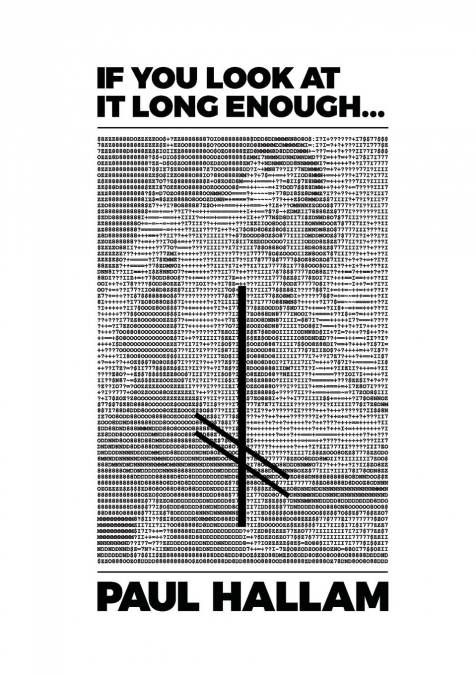
  • If you look at it long enough...
    Paul Hallam
    Originally written for an academic journal, If you look at it long enough... is primarily a personal account of Paul Hallam’s recollections of “self-abuse” through the consumption of porn over several decades. Challenging the familiar form of an “academic essay,” this autobiographical narrative raises several questions in relation to our contemporary morals related to sex in ge...
    Disponible

    13,72 €

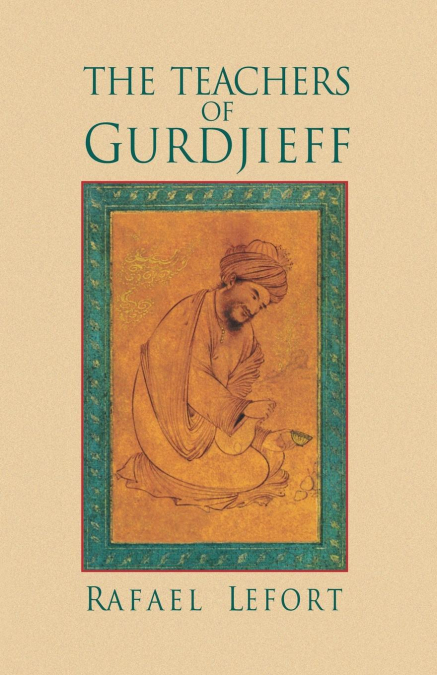
  • The Teachers of Gurdjieff
    Rafael Lafort / Rafael Lefort
    When The Teachers of Gurdjieff was first published more than 50 years ago, it made a considerable stir. George Ivanovich Gurdjieff had been one of the most famous mystics in the West in the first half of the 20th century - a teaching master who had many fashionable and influential pupils. He had a striking appearance and manner of teaching, and his teaching proved to be very in...
    Disponible

    22,79 €

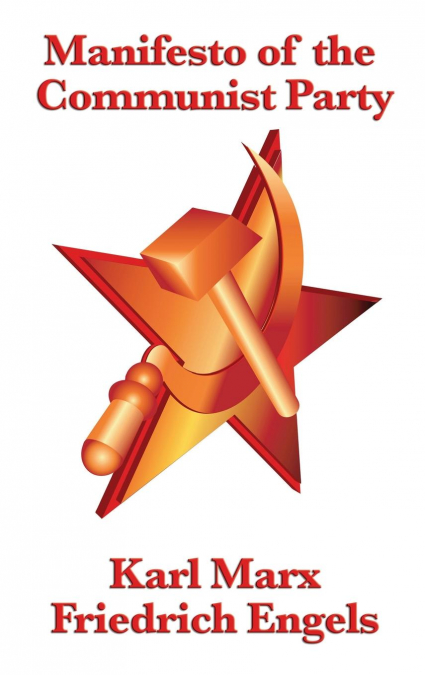
  • Manifesto of the Communist Party
    Karl Marx
    The Communist Manifesto was first published on February 21, and it is one of the world’s most influential political tracts. Commissioned by the Communist League and written by communist theorists Karl Marx and Friedrich Engels, it laid out the League’s purposes and program. The Manifesto suggested a course of action for a proletarian (working class) revolution to overthrow the ...
  • The Art of Literature
    Arthur Schopenhauer
    Collected here are eight short essays, On Authorship, On Style, On the Study of Latin, On Men of Learning, On Thinking for Ones Self, On Criticism, On Reputation, On Genius, by the world renowned philosopher Arthur Achopenhauer. ...